
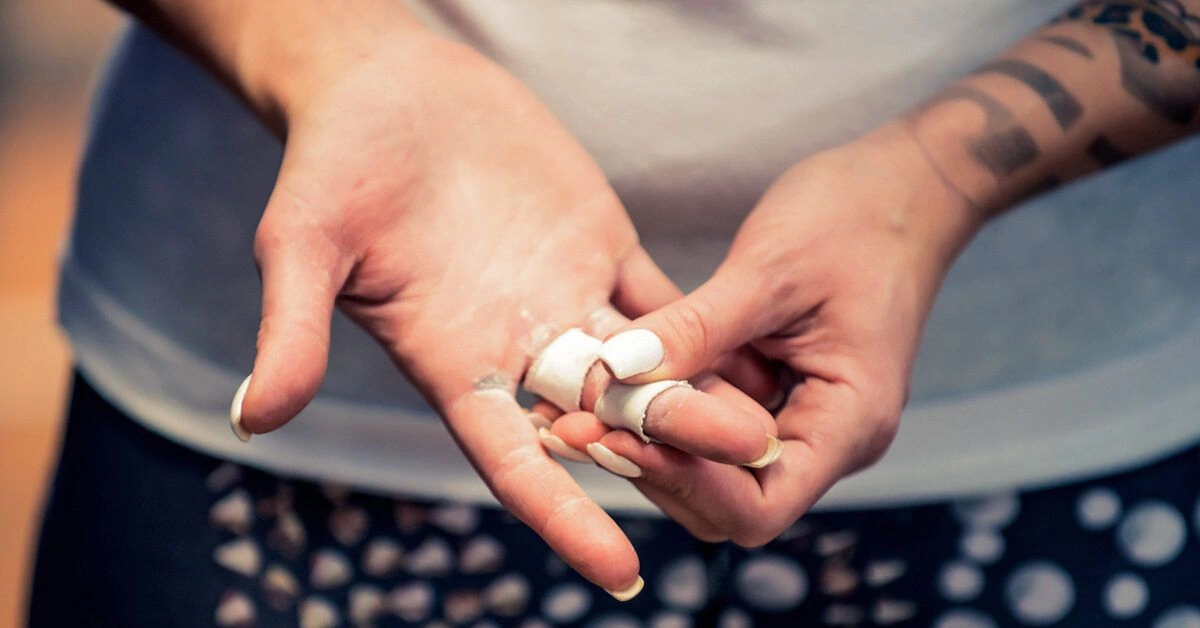
Blisters need time to recover, but there are practical steps you can take to ease pain, minimize irritation, and shield the area from additional damage. If you’re searching for How to heal blisters on feet overnight, the goal is not instant disappearance, but reducing discomfort quickly while supporting faster healing. Simple measures such as covering the blister with a cushioned bandage or applying topical remedies like tea tree oil can make a noticeable difference by morning.
Blisters are small, fluid-filled bubbles that develop on the outer layers of the skin. They serve as your body’s natural defense mechanism, protecting injured tissue underneath. In most cases, it’s best to leave them undisturbed. Although blisters are minor wounds that require time to mend, there are evidence-based and home-care strategies you can use to relieve pain and protect the area—especially when trying to heal blisters on feet overnight.
The majority of blisters form due to friction. They occur when something repeatedly rubs against your skin, such as tight shoes, long-distance walking, or even the handle of a shovel. Additional causes of blisters may include:
- burns
- sunburns
- frostbite
- eczema
- allergic reactions
- exposure to poison ivy, oak, or sumac
- viral infections, such as herpes, shingles, or chickenpox
- bacterial infections

Leave it alone
In many cases, blisters resolve naturally within several days. The fluid-filled pocket acts as a protective cushion, shielding the wound from bacteria and further irritation. This barrier also creates an ideal environment for healthy new skin to form underneath.
As regeneration occurs, your body gradually reabsorbs the fluid. Within a few days, the blister typically dries, flattens, and begins to peel. Removing or picking at a dry blister can delay healing and increase the risk of infection. Allowing it to heal undisturbed is often the safest and most effective approach.
Protect it
Some blisters—especially those on weight-bearing areas like the heel, arch, or toes—require additional protection to prevent rupture. For example, a blister on the back of your heel may burst due to constant pressure from footwear. Beyond being painful, an open blister can prolong healing time and increase infection risk.
When learning How to heal blisters on feet overnight, reducing friction is essential. While avoiding contact with the irritated area is ideal, that’s not always realistic. In those cases, protective measures are key:
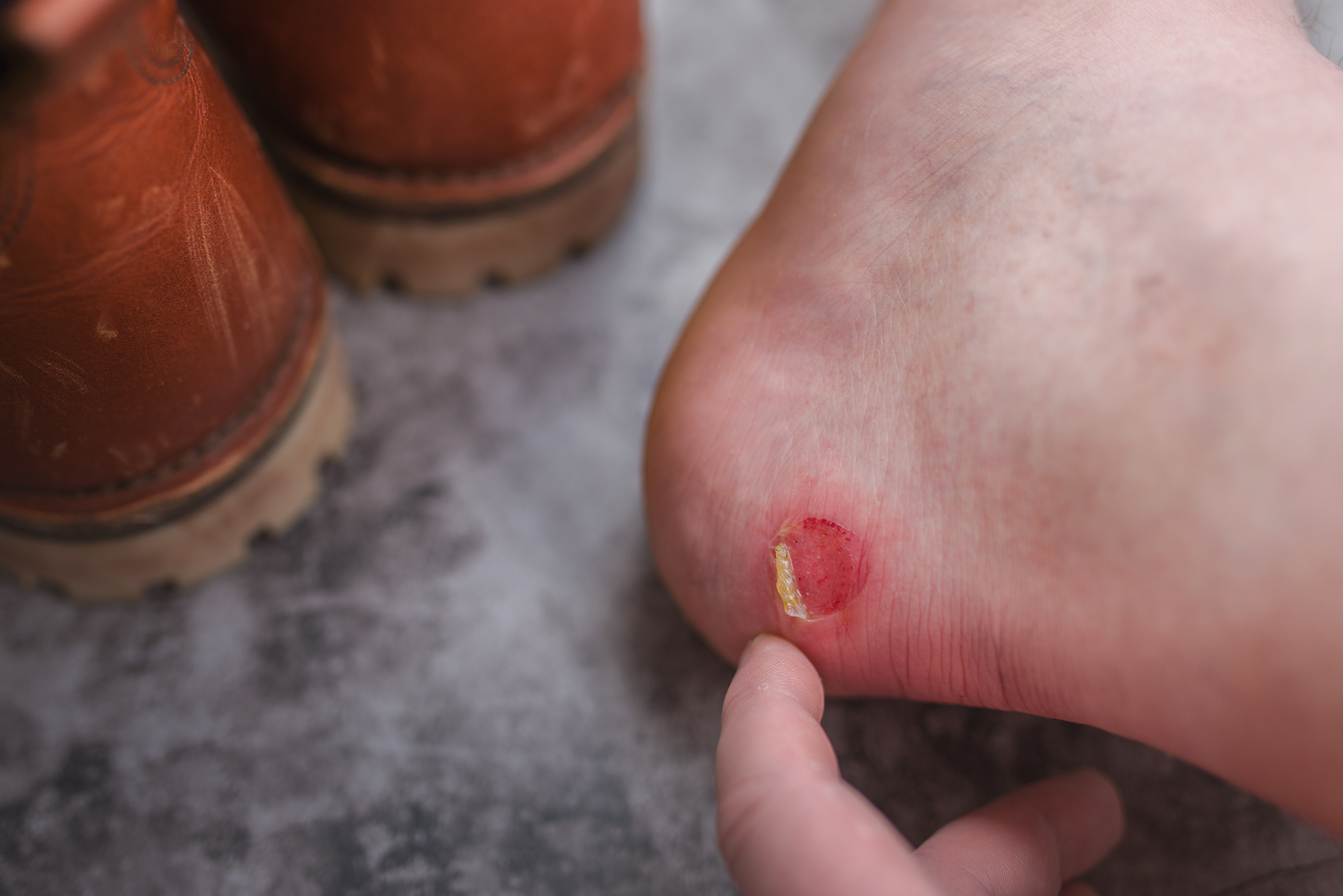
- Cover it up. Loosely cover the blister with an adhesive bandage or sterile gauze secured with tape. Proper airflow helps promote drying, so avoid wrapping it too tightly. Slightly elevating the center of the dressing can improve ventilation.
- Cushion it. Consider using a padded adhesive bandage designed specifically for blisters. These help reduce pressure, block bacteria, and improve comfort while walking.
- Pad it. To relieve direct pressure, cut a doughnut-shaped piece of moleskin and place it around the blister. The thick cotton padding absorbs friction. Always cover the moleskin with a standard bandage to maintain cleanliness.
If the blister is located on a smaller toe, specialized care may help. For targeted guidance, explore Pinky toe blister treatment options that focus on protecting delicate areas from continued rubbing.
Try natural remedies
Beyond physical protection, certain natural remedies may support the healing process and provide soothing relief. While these treatments do not replace medical care when needed, they can complement standard blister care.
Aloe vera
If your blister developed from a minor burn or sunburn, aloe vera gel may help ease discomfort. Its cooling effect can calm irritated skin, especially when stored in the refrigerator before application.
A 2016 study examining wound healing in rats found that aloe vera reduced inflammation, supported tissue repair, and decreased scar tissue formation. These properties may assist in soothing and protecting blistered skin.
Green tea
Green tea contains antioxidant and anti-inflammatory compounds that may aid wound healing. A recent study found that green tea extract incorporated into an ointment reduced wound pain and improved healing quality and speed.
You can combine green tea extract with a carrier oil such as coconut or almond oil and gently apply it to the blister. Alternatively, brew a cup of green tea, allow the tea bag to cool under cold water, and place it directly over the affected area for a soothing compress.
Tea tree oil
Tea tree oil has antibacterial and anti-inflammatory properties that may lower the risk of infection and promote healing. Several studies demonstrate its strong antibacterial activity, even in surgical wound settings.
To use safely, dilute tea tree oil with a carrier oil before applying it to the skin. You may also mix it with water to create a mild antibacterial rinse. Proper dilution is important to prevent skin irritation.
Eucalyptus oil
Eucalyptus oil possesses antiseptic and antimicrobial qualities that may assist in cleansing wounds. Studies suggest it is active against bacteria such as Escherichia coli and Staphylococcus aureus.
Research, including a recent study, indicates that combining eucalyptus oil with olive oil may enhance wound-healing effects. Mix a few drops of eucalyptus oil with 1 teaspoon of olive oil before applying it gently to the blister. For additional soothing, you can dilute the mixture further with 1 tablespoon of cocoa butter.
Drain it
Although it’s generally advisable to leave blisters intact, drainage may be necessary if the blister is large, extremely painful, or located in a high-friction area. Avoid draining blisters around the lips or mouth, as keeping those areas sterile is difficult.
Never pop a blister like a pimple. The objective is to release the fluid while preserving the overlying skin, which acts as a protective barrier. If you choose to drain a blister, aim to do so within 24 hours of its formation for best results.
Follow these steps to safely drain a blister and reduce infection risk:
- Wash your hands and the blister. Clean your hands with soap and warm water. Disinfect the blister’s surface using alcohol, iodine, or an antiseptic wash.
- Disinfect a needle with alcohol. Soak a needle in rubbing alcohol to sterilize it thoroughly.
- Carefully puncture the blister. Create three or four small holes near the blister’s edge. Let the fluid drain naturally without removing the skin covering.
- Cover the blister with ointment. Apply petroleum jelly or a similar protective ointment.
- Apply a dressing. Secure the blister with a bandage or gauze, ensuring the remaining skin lies flat against the underlying tissue.
- Repeat. Blisters may refill quickly. During the first 24 hours, you might need to repeat drainage every six to eight hours. Afterward, change the dressing daily and reapply ointment.
When to see a doctor
Whether drained or left intact, blisters can become infected. Untreated infections may worsen pain and require antibiotics. Additionally, some blisters result from underlying conditions rather than simple friction.
Contact your doctor if:
- The blister fills with yellow or green pus.
- The area becomes red, inflamed, or warm to the touch.
- The pain intensifies instead of improving.
- The blister appears in unusual areas, such as the mouth or eyes.
- The blister repeatedly returns.
- You experience symptoms of an allergic reaction.
Preventing blisters
Blisters may feel inevitable, particularly when breaking in new shoes or engaging in long walks. However, prevention plays a major role in foot health and can significantly reduce recurrence.
- Choose moisture-wicking socks rather than cotton to limit dampness.
- Apply moleskin or adhesive bandages to high-friction areas like the heels before irritation starts.
- Use foot powder or antiperspirant to decrease excess moisture.
- Wear two pairs of socks to redistribute friction during extended activity.
- Apply petroleum jelly to areas prone to rubbing.
- Wear work gloves during activities such as shoveling or raking.
- Select loose-fitting, moisture-wicking clothing.
- Avoid shoes that are too tight or too loose, as improper fit is a leading cause of friction blisters.
Proper footwear, dry skin, and early protection are crucial if you frequently experience foot blisters. Addressing friction at the first sign of redness can prevent a full blister from forming.
The bottom line
Blisters are a widespread issue, particularly for active individuals who walk, hike, or run regularly. While they often heal naturally, knowing How to heal blisters on feet overnight involves minimizing friction, keeping the area clean, and protecting the skin barrier. In certain cases, careful drainage may be appropriate.
Regardless of your approach, maintaining cleanliness and shielding the area until complete healing is essential. With proper care and preventive strategies, most blisters resolve without complications and allow you to return comfortably to your daily activities.











Leave a Reply
You must be logged in to post a comment.