


Each year, Americans spend more than $120 billion on dental care nationwide. A significant share of that money goes toward repairing or replacing damaged teeth.
Procedures such as fillings for cavities, dental crowns, and tooth-replacement options like dentures or bridges can be expensive. The good news: those interventions might not always be necessary going forward.
Emerging research indicates that regenerating teeth could be feasible. While additional studies and trials remain necessary, this progress has the potential to reshape dental treatment in the years ahead.
Keep reading to learn more about these hopeful findings.
Is regrowing teeth possible?
For a long time, the accepted belief was that teeth and tooth enamel could not be regrown. Recent advances in dental science, however, suggest that assumption may change. Encouraging experiments with stem cells have enabled researchers to generate tooth pulp in dogs.
Eventually, this kind of work might let people regenerate portions of damaged teeth and reduce the need for treatments like root canals and fillings.
Stem cell science could one day help prevent tooth loss or restore teeth lost to decay or injury. Because this field is still in its early stages, it will likely be years — perhaps decades — before such breakthroughs are applied to human dentistry.
What are stem cell dental implants?

Stem cell–based dental implants could enable parts of teeth to regrow. Researchers have demonstrated that activating the stem cells inside tooth pulp can trigger dentin regeneration. That opens the possibility that some cavities could heal without conventional fillings.
A related approach might be used to regrow whole teeth. Stem cells could be harnessed to form an early-stage tooth structure, known as a tooth primordium. That primordium could then be implanted into the gum to replace a missing tooth.
However, while adult teeth contain the stem cells necessary to regenerate dentin, the particular stem cells required to form a tooth primordium have so far only been identified in embryos.
Scientists must locate an alternative source for these specific stem cells. Once they do, it could become possible to use stem cells to regrow complete teeth.
Can you regrow teeth naturally?
Some people report restoring dental health through home remedies. These approaches lack rigorous scientific proof and haven’t been shown to actually regrow teeth. Methods people sometimes claim help include:
- reducing sugar intake
- limiting potatoes and other starchy foods
- cutting back on grains and nuts
- increasing healthy fats in the diet
- drinking bone broth
- taking fish oil or cod liver oil supplements
- taking vitamin D supplements
- using remineralizing toothpaste
- trying oil pulling
Speak with a dentist, physician, or other healthcare professional before attempting these strategies. While some suggestions, like lowering sugar consumption, are widely advised for oral health, others may not be suitable for everyone; some individuals need whole grains and nuts for balanced nutrition.
Although anecdotal success exists for practices such as oil pulling or certain supplements, there’s no strong scientific evidence confirming their effectiveness or safety for regrowing teeth. If you notice worsening symptoms — such as pain or bleeding gums — stop the practice and consult a dentist.
Approach these methods cautiously. Even if they have other potential health benefits, none of them are proven to regenerate teeth.
And if you adopt any of these changes, continue proper oral hygiene routines: brushing and flossing remain the most reliable ways to care for your teeth.
Tips for healthy teeth
Preserving dental health is an important component of overall wellness. You can help maintain a healthy smile by:
- using fluoride toothpaste
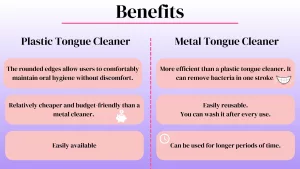
- cleaning your tongue
- flossing every day
- staying well-hydrated
- cutting back on sugar and acidic foods
- attending regular dental cleanings and exams
What’s the outlook for people with tooth loss or decay?
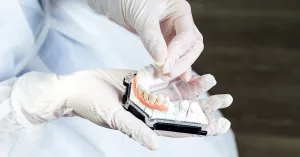
At present, lost teeth cannot be regrown. Artificial solutions such as dental implants, bridges, and dentures serve as replacements.
The best option for you depends on the extent of decay and damage, how many teeth are missing, your general health, and your financial situation.
Sometimes a single missing tooth causes minimal issues; you may not need to treat a back-tooth gap if it’s not causing pain or difficulty. However, multiple missing teeth or gaps in prominent areas of the mouth can lead to problems.
Consequences may include difficulty speaking or eating, increased tooth sensitivity, higher risk of additional cavities, and accelerated tooth deterioration. Missing teeth can also affect your jaw and facial muscles.
Discuss your concerns with a dentist. They can offer recommendations to preserve remaining teeth and prevent further decay, and they’ll outline the treatment options available to you.
Treatments might include fillings, root canals, dental implants, and other interventions. Following your dentist’s guidance and treatment plan may help prevent further damage and reduce the risk of additional tooth loss.
The takeaway
Researchers are developing approaches that may one day allow humans to regrow teeth. Stem cell techniques have been used to stimulate cavity repair and support tissue regeneration in animal studies. This line of work is still in its infancy and requires more investigation before it can be applied to people. Meanwhile, you can protect your dental health by brushing at least twice daily, flossing, staying hydrated, and visiting your dentist regularly.



















Leave a Reply
You must be logged in to post a comment.