

Amoxicillin can lead to mild adverse effects such as digestive disturbances, headaches, and yeast overgrowth. In rarer instances, people may experience more serious reactions including seizures.
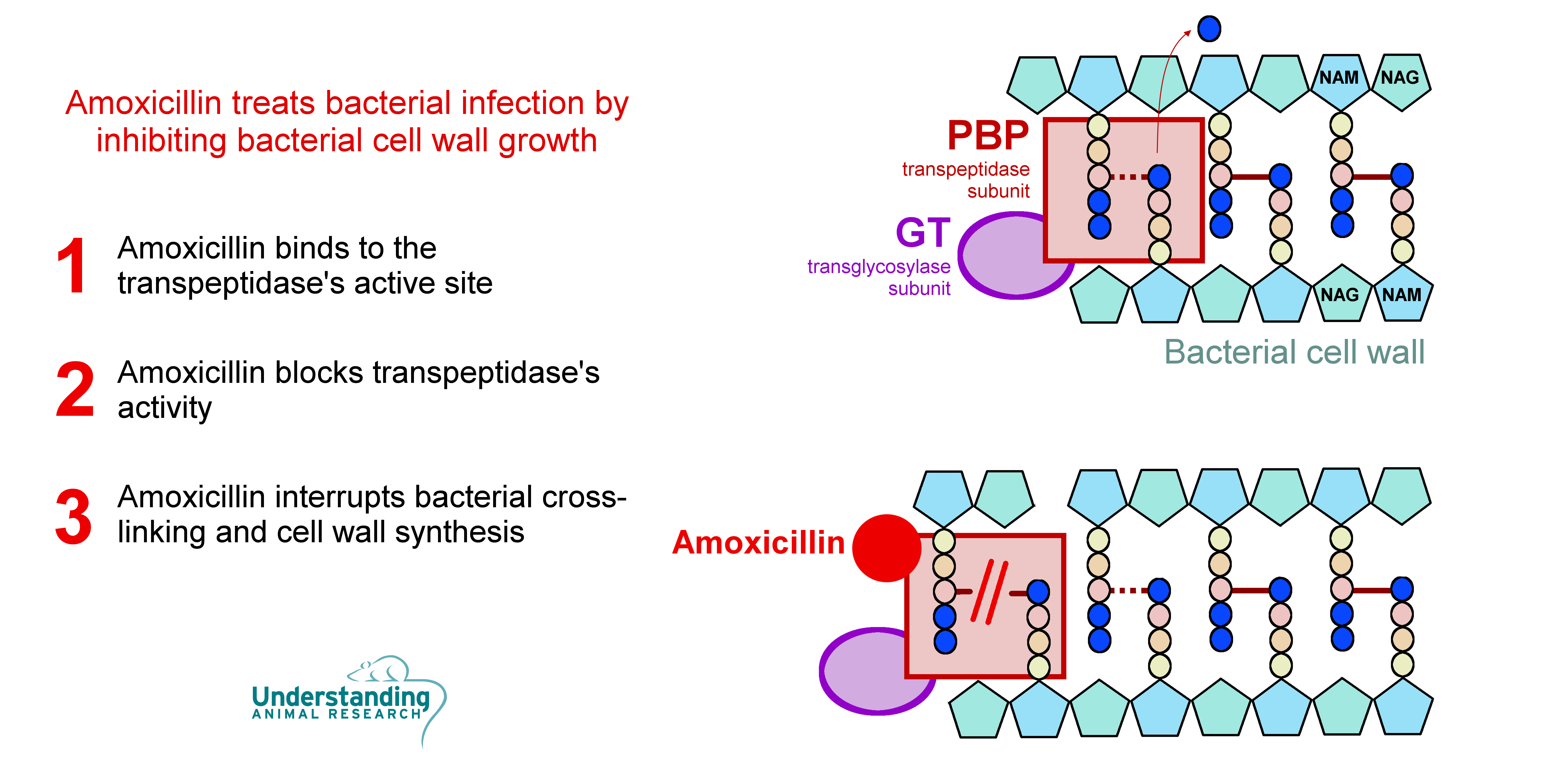
Amoxicillin is a penicillin-class antibiotic used to treat bacterial illnesses like bronchitis, pneumonia, and infections of the ear, nose, throat, skin, and urinary tract. While it often works well against bacterial infections, it carries a spectrum of possible side effects.
Some of the more frequent side effects of amoxicillin (Amoxil) include:
- diarrhea
- upset stomach
- headache
- altered taste
- skin rash
- vaginal yeast infection
Less frequent side effects include:
- allergic signs such as itching or hives, swelling of the face, lips, or tongue
- difficulty breathing
- blistering, peeling, or loosening of the skin, including inside the mouth
- dizziness
- insomnia
- seizures
- trouble passing urine, dark urine, or reduced urine output
- unusual fatigue or weakness
- unexpected bleeding or bruising
- yellowing of the eyes or skin
Can you overdose?
Taking more amoxicillin than prescribed is unlikely to be harmful in most cases, and specific treatment for an antibiotic overdose is not generally required.
Although acute kidney toxicity can happen, it’s uncommon.
In one series of 285 patients receiving amoxicillin in 2014–2015, 10 individuals (18 percent) developed acute kidney problems attributed to the drug.
It’s important to note this observation was in patients with severe infections treated with high-dose IV amoxicillin. These cases did not involve typical oral amoxicillin for common infections.
Diarrhea
Diarrhea is characterized by loose, watery, and frequent stools. It’s considered chronic when such stools persist for more than two weeks.
Drink sufficient fluids to prevent dehydration. For mild diarrhea, water or milk may be adequate. For moderate to severe cases, electrolyte solutions—available online and in pharmacies—are usually preferable.
Diarrhea is a common adverse effect of amoxicillin. All antibiotics can disrupt normal gut bacteria, upsetting the intestinal environment and potentially causing diarrhea.
To address diarrhea from amoxicillin, consult a healthcare provider about next steps. You might consider probiotics, staying well-hydrated, and following medical advice.
Diarrhea is usually minor, but if you become dehydrated or notice blood in your stools, seek emergency medical care.
Stomach upset
Abdominal pain refers to discomfort felt between the chest and groin, commonly called the belly area.
Nearly everyone has abdominal pain at some point. Most often it isn’t due to a serious condition. Nausea and stomach upset are a common effect of amoxicillin. Less commonly, people experience abdominal pain or vomiting.
Taking amoxicillin with food may reduce the chance of stomach upset.
To ease an upset stomach, eat bland, easy-to-digest foods such as soups, crackers, and toast. Peppermint may help relieve nausea. Anti-nausea medication can be used if needed.
If you have severe, prolonged abdominal pain or see blood in vomit or stool, get immediate medical attention.
Headache
A headache is pain or discomfort in the head, scalp, or neck. Tension in shoulders, neck, scalp, and jaw muscles often underlies common headaches.
Headaches are a common side effect of amoxicillin and, though usually mild, occur frequently.
Taking doses with food and staying well-hydrated may help prevent headaches related to amoxicillin.
Over-the-counter headache and migraine medications such as acetaminophen or naproxen can relieve amoxicillin-associated headaches.
Abnormal taste sense
Antibiotics like amoxicillin can cause disturbances in taste. Some people notice a metallic flavor while taking amoxicillin. One possible explanation is the drug can affect zinc absorption, and zinc deficiency may produce a metallic taste.
Others may become more sensitive to sweet or salty flavors while on amoxicillin. Fever-related dehydration can also cause dry mouth, which alters taste perception.
These taste changes usually resolve after stopping amoxicillin. Drinking more fluids may help. Consult your healthcare provider if taste changes make eating difficult.
Skin rash
Rashes while taking amoxicillin can be common, and it’s sometimes difficult to tell whether a rash is allergic in nature.
People may notice a rash after several days on amoxicillin. It can appear as small, flat, or raised discolored spots scattered across the skin, often itchy and usually beginning on the chest, abdomen, or back.
This type of rash differs from an allergic hives reaction. Hives are raised, itchy welts that typically emerge within hours of taking the drug and may accompany breathing or swallowing difficulties.
If you have a true allergic reaction to amoxicillin, seek emergency care for breathing problems. Antihistamines like diphenhydramine (Benadryl) may relieve itching. If you are genuinely allergic, your prescriber can select an alternative antibiotic class.
If the rash isn’t allergic, it should fade in a few days. Anti-itch creams can provide symptomatic relief for some people.
Vaginal yeast infection
Amoxicillin’s ability to suppress bacteria can also reduce beneficial bacteria that keep the vaginal pH balanced. When this happens, yeast can overgrow and cause a yeast infection.
Symptoms of a yeast infection include itching, redness or color changes, and a cottage cheese–like discharge. Over-the-counter antifungal treatments are available. If you’re unsure whether symptoms are a yeast infection or another type of infection, consult a healthcare provider.
Less common side effects
Allergic reactions
Allergies are not usually the cause of every adverse drug response. True allergic reactions are relatively uncommon; some reactions that seem allergic are actually nonallergic adverse events.
Mild allergic signs include itching and hives. These are manageable but should be monitored in case they worsen. Antihistamines and topical hydrocortisone can help manage mild symptoms.
Severe allergic signs—such as swelling of the face, lips, or tongue and shortness of breath—require immediate medical attention.
If an allergic reaction occurs, watch for spreading rash or discoloration. Amoxicillin can trigger delayed allergic responses even after stopping the medication.
Breathing problems
Breathing difficulty refers to feeling short of breath or having uncomfortable or labored breathing.
Some mild breathing difficulty can be explained by things like severe nasal congestion or intense exercise, especially if you’re not accustomed to it.
If you have trouble breathing, it could signal an allergic reaction to amoxicillin.
For mild breathing issues, try these measures:
- Breathe through pursed lips to slow and deepen breaths.
- Pace activities comfortably; avoid rushing.
- Try not to hold your breath.
Tell your provider if you are allergic to amoxicillin or penicillin so an alternative medication can be used. If breathing worsens, contact your healthcare provider right away.
If breathing difficulty is accompanied by swelling of the lips, face, mouth, or throat, call 911 or go to the emergency department.
Blisters and other skin problems
Blisters are small raised pockets of fluid under the skin. They can result from allergic reactions, burns, frostbite, friction, trauma, systemic illness, or certain skin conditions.
This side effect is uncommon but serious when present. If you develop discoloration, blistering, peeling, or loosening of the skin after taking amoxicillin, contact your healthcare provider immediately.
Mild, non-itching rashes can sometimes be managed at home with antihistamines, hydrocortisone, oatmeal baths, and adequate hydration. But if blisters, peeling, or skin loosening occur, seek urgent medical care.
Avoid amoxicillin if you have a known penicillin allergy to reduce the risk of severe skin reactions.
Dizziness
Dizziness involves feelings of lightheadedness, imbalance, or vertigo (a sensation that you or the environment is spinning).
Most causes of dizziness are not serious and resolve on their own or respond to simple treatments.
Tell your healthcare provider about your current medications before starting amoxicillin. To reduce dizziness risk, avoid alcohol while taking the drug.
Don’t drive until you know how amoxicillin affects you. If you feel dizzy, sit down until it passes. If you lie down, keep your head elevated with a pillow.
Dizziness can also be a sign of anemia or an allergic response.
If dizziness occurs with shortness of breath or swelling of the lips, face, or tongue, seek immediate medical care.
Trouble sleeping
Insomnia involves difficulty falling asleep, waking too early, or frequent nighttime awakenings.
Occasional sleepless nights are common and not usually concerning. Still, roughly 25 percent of Americans experience acute insomnia annually, and chronic insomnia affects many people.
Seizures
A seizure is a sudden change in behavior marked by altered sensations or movements due to abnormal electrical activity in the brain. Epilepsy is a condition with recurrent seizures, sometimes involving convulsive muscle jerking.
If you develop seizures while taking amoxicillin, contact your healthcare provider immediately.
Dark urine
Normal urine is typically pale to straw-yellow. When urine is markedly different—cloudy, dark, or blood-tinged—it’s considered abnormal.
Report unexplained urine color changes to your healthcare provider, especially if they persist more than a day or two or recur.
Amoxicillin can affect blood, liver, or kidney function and lead to dark urine. Renal toxicity is rare but can be serious when it happens.
People at higher risk for kidney problems should avoid amoxicillin to prevent potential renal damage; their provider can prescribe a different antibiotic.
If prescribed amoxicillin, take only the recommended dose and maintain adequate fluid intake.
Dark urine is a serious sign; consult your healthcare provider if you notice changes in urine color.
Difficulty urinating
Painful urination describes any pain, burning, or discomfort during urination.
Pain with urination is common and most often due to a urinary tract infection.
Amoxicillin may cause formation of crystals in the urine that are specific to the drug. In rare cases, it can also reflect kidney injury.
To reduce risk, never exceed your prescribed dose and drink plenty of fluids. If you have mild discomfort while urinating, increase water intake and reduce dietary protein.
Painful urination can also signal renal failure or damage—contact your healthcare provider promptly if this occurs.
Unusual bleeding or bruising
Bleeding under the skin can appear as tiny pinpoint red spots (petechiae), larger flat areas of collected blood (purpura), or extensive bruising (ecchymosis).
Amoxicillin can raise bleeding risk. If you notice unusual bleeding or easy bruising, seek medical evaluation immediately. Internal bleeding might be occurring, potentially affecting the digestive tract or, rarely, the brain.
Before starting amoxicillin, tell your provider if you’re taking anticoagulants or blood thinners.
This is a rare but serious side effect—get medical attention right away.
Yellowing of the eyes or skin
Jaundice is a yellow discoloration of the skin, mucous membranes, or eyes due to bilirubin, a breakdown product of red blood cells.
Amoxicillin can cause jaundice and liver injury. Liver damage can occur even after stopping the drug and is more likely when amoxicillin is combined with clavulanate.
Early signs such as fatigue, poor appetite, and vomiting may precede worsening jaundice. Contact your healthcare provider if you notice these symptoms.
Tell your healthcare provider if you have a history of liver disease before taking amoxicillin.
When is it an emergency?
Taking one extra dose of amoxicillin generally won’t cause harm, but certain symptoms after an overdose require immediate medical attention.
Call 911 or the poison control hotline at 800-222-1222 if you develop any of the following signs after taking more than your prescribed dose of amoxicillin:
- abdominal pain
- vomiting
- bloody or cloudy urine
- difficulty urinating
- reduced urination
- confusion
How long do side effects last after taking amoxicillin?
Most side effects of amoxicillin resolve after stopping the medication, but duration varies by symptom.
- Antibiotic-associated diarrhea can occur from a few hours up to two months after finishing the antibiotic. Probiotics may help.
- Vaginal yeast infections usually clear with antifungal treatment over 1 to 7 days.
- Taste disturbances generally return to normal after stopping the drug.
- Skin rashes commonly begin around the fifth day and typically last a week or less.
- Mild allergic reactions typically subside after discontinuation and with antihistamine or hydrocortisone therapy.

Takeaway
Amoxicillin is a widely prescribed penicillin antibiotic used to treat various bacterial infections.
Its side effects are usually mild and include gastrointestinal symptoms like nausea and diarrhea, as well as headache, rash, altered taste, and vaginal yeast infections. Rare but more serious effects such as allergic reactions, breathing problems, and seizures have been reported.
If you experience severe side effects or any of the overdose symptoms described while taking amoxicillin, contact your healthcare provider, emergency services, or poison control right away.























Leave a Reply
You must be logged in to post a comment.