
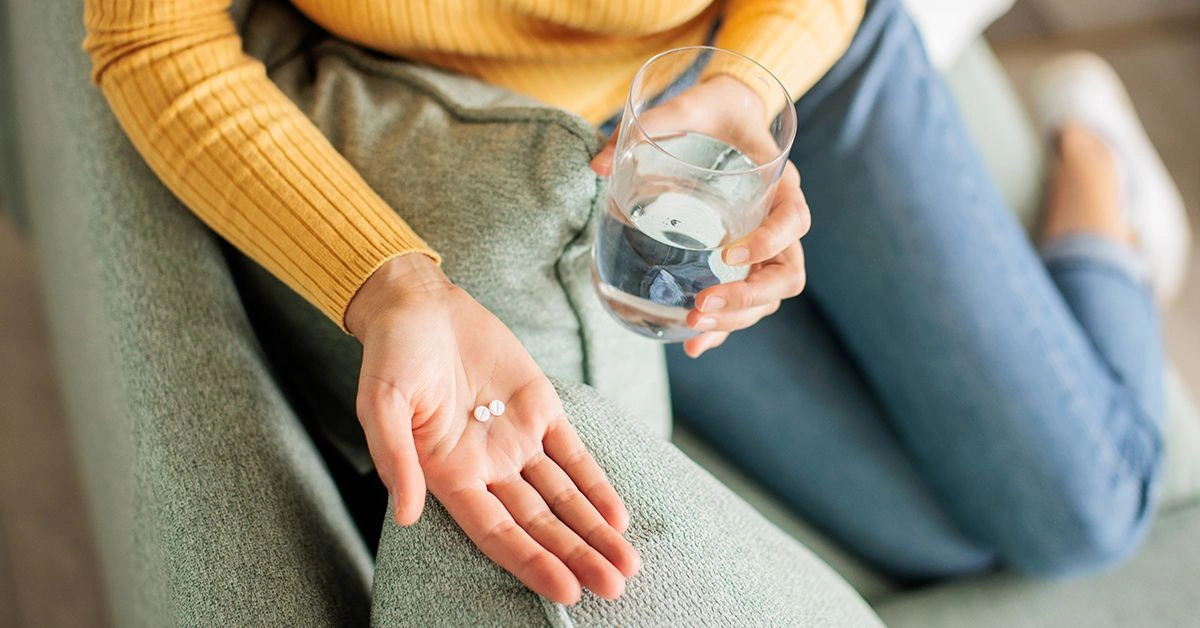
You may develop a yeast infection during or shortly after completing a course of antibiotics if these medications disrupt the healthy bacteria in your vagina. Many people wonder, How soon after antibiotics can i treat a yeast infection? The answer depends on your symptoms and overall health, but treatment can often begin as soon as symptoms appear. Certain habits and preventive measures may also help lower your risk.

Antibiotics are prescribed to eliminate harmful bacteria responsible for infections. However, while targeting bad bacteria, they can also destroy beneficial bacteria that help maintain balance in your body. When this balance is disturbed, it can create the perfect environment for a yeast infection to develop.
Vaginal yeast infections are fungal infections affecting the vagina. They occur when a type of fungus called Candida , which is naturally present in the vagina, begins to multiply excessively. Yeast infections often lead to intense itching, burning, redness, and irritation of the vagina and vulva — the outer portion of the female genital area.
Keep reading to better understand why this happens, when to start treatment, and practical steps you can take to reduce your risk while using antibiotics.
Why do yeast infections happen?
The vagina maintains a natural balance between yeast and bacteria. A specific type of bacteria known as Lactobacillus keeps the vaginal environment slightly acidic, which discourages yeast from overgrowing. This mild acidity is essential for preventing Candida from multiplying uncontrollably.
Broad-spectrum antibiotics — often prescribed for conditions such as bronchitis or sinus infections — can significantly disrupt this delicate ecosystem. While they work effectively to eliminate disease-causing bacteria, they also reduce populations of protective bacteria.
When antibiotics decrease levels of Lactobacillus, the vaginal environment becomes less acidic. Without sufficient beneficial bacteria, yeast can flourish, leading to symptoms of a vaginal yeast infection. This explains why many people notice symptoms either during antibiotic therapy or within days after finishing their prescription.
How can I reduce my risk?
If you’re concerned about yeast infections while taking antibiotics, there are several proactive strategies that may help protect your vaginal health and maintain microbial balance.
Talk with your doctor
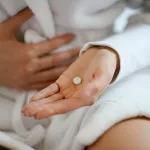
If you frequently experience yeast infections — especially after antibiotic use — inform your doctor. Individuals who repeatedly ask, “How soon after antibiotics can i treat a yeast infection?” often have a history of recurrent infections. Your doctor may prescribe an oral antifungal medication such as fluconazole (Diflucan) to take alongside your antibiotic course.
In some cases, you may be advised to take one pill on the first day of antibiotic therapy and another dose every seven days until your antibiotics are complete. This preventive approach can reduce the likelihood of Candida overgrowth during treatment.
Use an over-the-counter antifungal
Over-the-counter (OTC) antifungal creams or suppositories may help prevent or treat yeast infections triggered by antibiotics. These antifungal treatments work by directly limiting fungal growth and restoring balance.
Follow the instructions provided with the product. Many healthcare professionals recommend starting the antifungal at the same time as your antibiotic prescription if you are prone to infections. You can also begin an OTC antifungal as soon as symptoms develop. If you’re unsure about timing, you may find guidance in this resource: Can you treat a yeast infection while on antibiotics.
Replenish your good bacteria
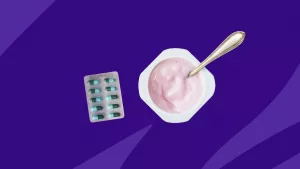
Because antibiotics reduce beneficial bacteria throughout the body, restoring healthy microbes may help support recovery. Increasing your intake of probiotics can assist in rebuilding protective bacterial populations.
.jpeg)
Consider a probiotic supplement that contains Lactobacillus. You might also incorporate yogurt with live active cultures or fermented foods such as kefir, sauerkraut, or kimchi into your diet. While research continues to evolve, supporting your body’s natural microbiome may lower the risk of post-antibiotic yeast infections.
Use yogurt (with or without honey) as a topical remedy
Some studies suggest that applying yogurt topically — particularly when combined with honey — may ease symptoms of yeast infections. This approach is generally considered complementary rather than a replacement for antifungal medications.
For example, a 2021 study reported that a yogurt and honey mixture was as effective as clotrimazole vaginal cream in reducing infection and even more effective in relieving symptoms such as itching and irritation.
If using yogurt topically, make sure it is:
- containing live, active cultures
- plain and unflavored
- free of added sugar or sweeteners
Keep in mind that if symptoms persist or worsen, medical treatment is recommended.
Don’t use antibiotics unnecessarily
Antibiotics are essential for treating bacterial infections, but they are not effective against viral illnesses such as the common cold, flu, or most sore throats. Using antibiotics when they are not needed increases the risk of disrupting your body’s bacterial balance, which may allow Candida to overgrow.
Before starting antibiotics, discuss with your doctor whether they are truly necessary. If prescribed, complete the full course exactly as directed. Stopping early can contribute to antibiotic resistance and may leave the original infection inadequately treated.
Other tips for prevention
Whether or not you’re taking antibiotics, these preventive measures can help reduce your chances of developing a yeast infection:
- Change out of wet bathing suits and underwear as soon as possible. Yeast thrives in damp environments, so keeping the area dry is important.
- Avoid hot tubs and very hot baths. Warm, moist settings encourage yeast growth.
- Wear loose-fitting clothing. Although tight clothing is not directly proven to cause yeast infections, it can trap heat and moisture around the vulva.
- Wear breathable, cotton underwear. Cotton promotes airflow and helps maintain dryness.
- Never douche. Douching removes protective bacteria and disrupts the natural vaginal ecosystem.
- Avoid vaginal deodorant products. Sprays, powders, and scented menstrual products may cause irritation and imbalance.
- If you have diabetes, keep your blood sugar under control. Elevated blood sugar levels can promote yeast growth and increase infection risk.
Should I see a doctor?
If your yeast infection does not improve after treatment, consult your doctor. OTC antifungal creams may take up to 14 days to fully clear a yeast infection.
You should also schedule an appointment if you experience recurrent yeast infections — defined as four or more infections per year. Recurrent infections often require prescription-strength antifungal therapy, as home remedies like yogurt are usually insufficient.
If symptoms persist despite treatment, another condition such as bacterial vaginosis (BV) may be responsible. BV is a bacterial infection that shares similar symptoms with a yeast infection, including discharge and irritation. However, because BV is not caused by a fungus, antifungal medications will not resolve it.
Takeaway
Antibiotics can trigger yeast infections in some individuals because they eliminate beneficial bacteria that normally keep Candida under control. If you’re asking, How soon after antibiotics can i treat a yeast infection, treatment can typically begin as soon as symptoms appear, whether during or after your antibiotic course.
By speaking with your doctor, considering preventive antifungal therapy, supporting healthy bacteria, and practicing good vaginal hygiene, you can reduce the likelihood of developing a yeast infection and protect your overall vaginal health.
















Leave a Reply
You must be logged in to post a comment.