
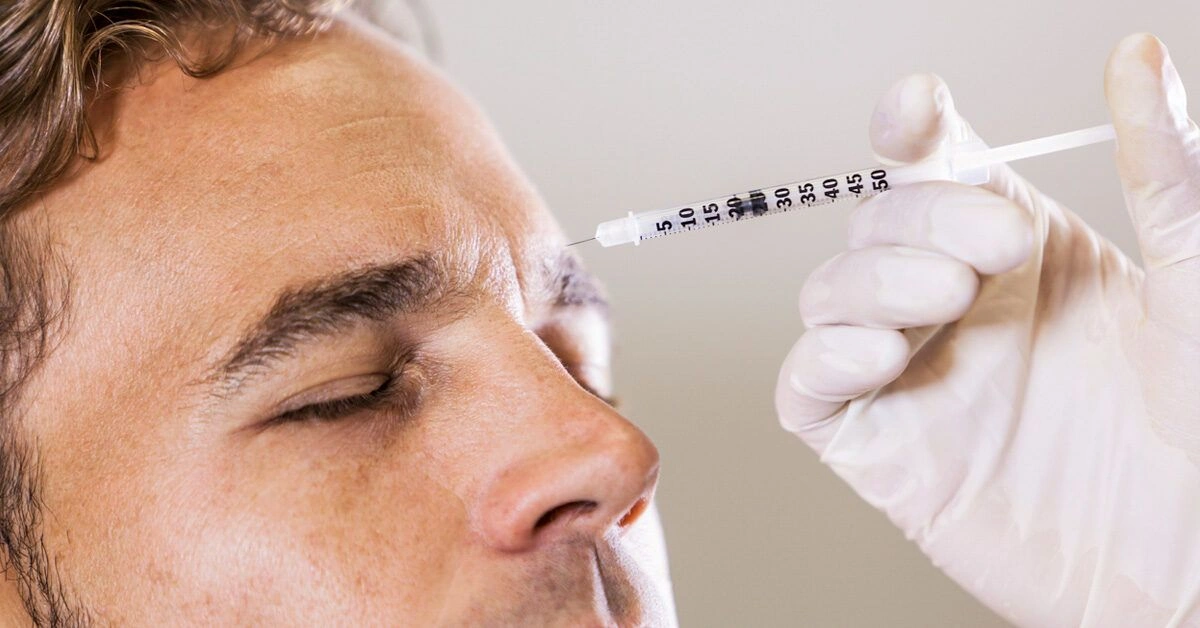
Dysport and Botox are noninvasive approaches to reducing wrinkles. Dysport is approved specifically for glabellar lines, the vertical creases between the eyebrows. Botox, meanwhile, is cleared for glabellar lines as well as forehead creases and the fine lines that radiate from the eyes (crow’s feet).
Both Dysport and Botox are widely used to soften the look of facial and forehead wrinkles. Although each has medical uses, they are most commonly sought as injectable cosmetic procedures.
Both products are neurotoxins that prevent muscle contraction. They are derived from botulinum toxin and are considered safe when used in small, controlled doses.
As nonsurgical wrinkle-reducing options, Dysport and Botox both have fast recovery profiles. Despite their many similarities, there are important distinctions between them.
Read on to learn more about how Dysport and Botox compare.
About Dysport and Botox
Injections of Dysport or Botox temporarily soften wrinkles by relaxing the muscles beneath the skin. When these muscles relax, the overlying skin smooths out.
Both treatments share a comparable active ingredient, though they differ in small amounts of associated proteins. Those minor differences may make one product more suitable than the other for certain individuals. Researchers continue to study their specific distinctions.
Each injection session usually lasts only a few minutes. Often the longest part of the visit is applying and allowing any topical anesthetic to take effect rather than the injections themselves.
Unless you experience immediate adverse effects, you should be able to leave soon after your appointment.
What is Dysport?
Dysport is formulated to reduce the appearance of vertical lines in the glabella — the area directly between the eyebrows. These creases rise between the brows toward the forehead and are most obvious when you frown or squint. With time, glabellar lines can become visible even at rest.
Dysport is intended for people with moderate to severe glabellar lines rather than very mild creases. A dermatologist or plastic surgeon can help determine whether your lines are mild or more pronounced.
If you are a candidate for Dysport, the treatment is performed in the doctor’s office.
Before injections, the clinician usually applies a topical anesthetic to reduce discomfort during the procedure.
For treating frown lines, providers often inject about 0.05 milliliters (mL) at a time across up to five sites around the eyebrows and upper forehead.

What is Botox?
Botox is FDA-cleared for treatment of forehead lines and crow’s feet in addition to glabellar lines, unlike Dysport which is limited to the glabella.
The Botox procedure follows a similar approach to Dysport: it’s performed in-office and involves minimal downtime.
The number of units used depends on the treatment area and the results you want. The recommended average Botox dosages by treatment area include:
- Glabellar lines: 20 total units, 5 injection sites
- Glabellar and forehead lines: 40 total units, 10 injection sites
- Crow’s feet: 24 total units, 6 injection sites
- All three areas combined: 64 units
Dysport vs. Botox chart
While Dysport and Botox are similar in many ways, one option may suit you better depending on your needs. Consider these comparisons:
| Dysport | Botox | |
| Procedure type | nonsurgical | nonsurgical |
| What it treats | glabellar lines | glabellar lines, forehead lines, crow’s feet around the eyes |
| Cost | average cost $400 per session. | average cost $300–$600 per session |
| Pain | no pain during the procedure; mild soreness may occur at injection sites afterward | procedure not painful; slight numbness or soreness may follow |
| Number of treatments needed | each visit is brief; follow-ups every few months to sustain results | similar to Dysport, though effects may wear off sooner for some people |
| Expected results | effects appear in a couple of days and last about 3–4 months | results in 1 week to a month, lasting several months |
| Who should avoid treatment? | people with milk allergies, those taking certain muscle-spasm medications, pregnant individuals | those taking certain muscle-spasm medications, pregnant individuals |
| Procedure and recovery time | procedure under 20 minutes with minimal recovery needed | procedure under 20 minutes with minimal recovery needed |
Which is more effective?
Unlike surgical interventions, results from these injectables appear within days of treatment and require no downtime. You can typically leave the clinic as soon as the session ends.
Dysport results
Dysport may begin to work within a few days. Results can persist for up to 5 months. Maintenance injections are necessary to preserve the effect.
Botox results
Botox effects may become visible within about a week, with full benefits taking up to one month. Botox also lasts for several months, and in some cases effects have been reported to last as long as six months.
Who’s a good candidate for Dysport and Botox?
Both Dysport and Botox are intended for healthy adults aged 18 and older with moderate to severe facial lines. Your clinician will review your medical history and ask questions to determine suitability.
Generally, you might not be an appropriate candidate if you:
- are pregnant
- have a prior sensitivity to botulinum toxin
- have a milk allergy
- have an active skin condition
- have very thick skin (as assessed by your clinician)
- are older than 65
- take certain medications
Several drugs can interact with the ingredients in these injections, including blood thinners and certain muscle relaxants.
The injections may also interact with medications that affect muscle function, such as anticholinergics used in Parkinson’s disease.
Check with your provider before stopping any medications. Be sure to disclose all medications and supplements you take, including over-the-counter products.
What are the side effects?
Serious complications from Dysport or Botox are uncommon, but minor side effects can occur and usually resolve on their own.
Discuss potential side effects and risks with your clinician before treatment so you know what to expect.
Side effects of Dysport
Dysport is generally considered safe, with common minor side effects including:
- mild pain at injection sites
- eyelid swelling
- skin irritation or rash
- headache
These symptoms typically subside within a few days.
Less common, more serious reactions can include nausea, sinusitis, and upper respiratory infection. Contact your doctor if you develop these or any worsening symptoms.
Side effects of Botox
Botox is likewise viewed as safe and carries minimal side effects. Frequent post-treatment complaints include:
- redness
- swelling
- bruising
- mild pain
- numbness
- headache
Minor effects usually clear within about a week, according to the American Academy of Dermatology.
Although extremely rare, both treatments can lead to botulinum toxin spread, a serious complication that occurs if the toxin migrates to other parts of the body. Seek emergency care if you suspect this.
Symptoms of toxin spread can include:
- drooping eyelids
- facial muscle weakness
- muscle spasms
- trouble swallowing or eating
- breathing problems
- speech difficulties
How to find a professional
Regardless of which injectable you choose, selecting an experienced, qualified professional is crucial. Many board-certified dermatologists and plastic surgeons provide Dysport and Botox in their clinics and some licensed medi-spas also offer them.
Make sure the person you consult will be the one administering the injections. Avoid nonmedical providers and anyone unwilling to present their clinical credentials.
Ask about your provider’s experience with Dysport and Botox. Most clinicians recommend a consultation to discuss which option may be best for you.
To locate a dermatologic surgeon, consider searching local directories from the American Society for Dermatologic Surgery or the American Society of Plastic Surgeons.
Clinical applications of Dysport and Botox
Beyond cosmetic use, Botox is employed to treat various medical conditions such as:
- strabismus (misaligned eyes)
- facial muscle spasms
- symptoms of temporomandibular joint disorder
- migraine
- depression
- foot pain
- overactive bladder
- gastroparesis
Dysport is used clinically for:
- cervical dystonia (abnormal head posture and neck pain)
- spasticity not related to cerebral palsy (muscle stiffness and spasms in limbs)
Takeaway
Both Botox and Dysport are injectable options derived from botulinum toxin used to treat facial wrinkles and other conditions.
Dysport targets vertical lines between the eyebrows (glabellar lines). Botox is indicated for glabellar lines as well as forehead creases and crow’s feet around the eyes.
Both products are generally safe for many people, but a consultation with a qualified medical professional is essential before treatment. If you’re considering cosmetic injections, schedule a visit with an experienced dermatologist to discuss options like preventative botox or specific approaches such as masseter botox.



















Leave a Reply
You must be logged in to post a comment.