Spider Bites Pictures: What Different Bites Look Like and How to Tell Them Apart

- First, the honest limit of bite photos
- What a spider bite usually looks like
- Brown recluse bite pictures: the one that changes the most
- Black widow bite pictures: the bite that barely shows
- Wolf spider bite pictures: red, swollen, and sore
- How a spider bite changes over hours and days
- Spider bite or something else? A photo comparison
- What bit me? Try the bite checker
- When a bite photo should send you to urgent care
- What to do right after a bite, and what to photograph
- How to keep spiders from biting
- Sources
You wake up, reach for your phone, and there it is: an angry red mark on your ankle that was not there when you went to bed. It itches. It might hurt a little. And the first thing you do is search for photos, to see whether the mark on your skin matches a spider bite or something else.
That is what this guide is for: photos of real spider bites, what each type tends to look like, how a bite changes over hours and days, and the look-alikes that fool almost everyone. One warning up front: no photo can diagnose a bite on its own. Photos can narrow the possibilities and tell you when to stop watching and get care.
First, the honest limit of bite photos
A spider bite is hard to pin down from appearance alone. Most bites look like a small red bump, yet two people bitten by the same kind of spider can end up with marks that look nothing alike, because skin tone, sensitivity, and how much venom went in all change the picture. The CDC puts it plainly: spiders are usually not aggressive, and most bites happen because a spider gets trapped against skin, in clothing or bedding, and bites to defend itself.
So use the photos below as a comparison tool, not a verdict. Match the shape, the timing, and the symptoms together. If you saw the spider, that matters more than any photo: snap a picture of it if you can do so safely, or note its size, color, and where you found it.
What a spider bite usually looks like
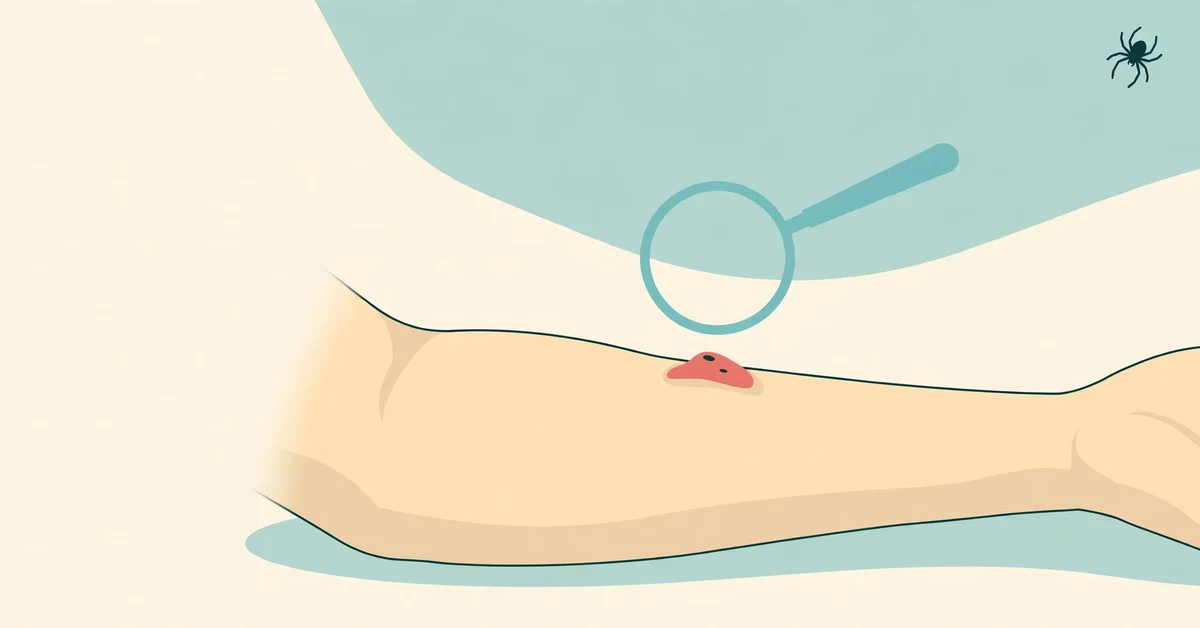
A typical spider bite starts as a small red bump, sometimes with two tiny puncture marks side by side where the fangs went in. It may itch, sting, or hurt a little, and the skin around it can swell and feel warm. On lighter skin the redness stands out; on darker skin the same bite may look brown or purple, with swelling and warmth as the clearer clues.
Most ordinary bites fade in a day or two. The ones worth worrying about change over time: the redness spreads, the center darkens or blisters, or pain shows up hours after a bite that barely hurt at first. That timing is often the best clue you have, and it is why the photos below are grouped by stage, not just by species.
Brown recluse bite pictures: the one that changes the most
A brown recluse bite is the trickiest to judge from a single photo, because it looks harmless at first and gets worse on a delay. The bite is often painless, or it feels like a mild sting. Then, over 2 to 8 hours, the spot reddens, swells, and starts to hurt. A small white blister can form in the middle, ringed by redness, and the center can turn blue or purple as the skin underneath is damaged. That bullseye pattern, a pale or dark center with a red ring, is the classic recluse look.

Two days in, a recluse bite can look like the photo above: a swollen, reddened patch with a darker center. Compare it with the bite below, from a different stage, and you can see why one snapshot is never enough.

Recluse bites are uncommon outside the spider’s home range, a block of central and southern states around Missouri, Arkansas, Kansas, Oklahoma, and Tennessee. A “recluse bite” diagnosed in New England or the Pacific Northwest is very often something else, usually a skin infection or another insect’s bite.
Most recluse bites heal on their own with basic wound care, but one that blisters, opens into a sore, or keeps getting worse after a couple of days needs a clinician. There is no antivenom for recluse bites in the United States; care focuses on keeping the wound clean.
Black widow bite pictures: the bite that barely shows
The frustrating part about black widow bites: the mark on your skin often looks like nothing much. The bite feels like a pinprick, and you may see two tiny red puncture marks with a little swelling. There is usually no dramatic rash and no blister. Judged by the photo alone, you would probably shrug and move on.

What gives a widow bite away is not the photo but what happens next. Within about an hour, pain can spread from the bite into the belly, back, and chest, with muscle cramps, stiffness, nausea, and sweating. The CDC counts only two spider groups in the United States as medically significant, black widows and brown recluses, and the widow’s venom works on nerves and muscles rather than skin, which is why the bite site can look calm while the rest of the body is not.
Look for the glossy black body and the red hourglass mark under the abdomen; only the female is dangerous. Widows like quiet spots: woodpiles, sheds, garages, and basement corners. If you suspect a widow bite and pain is spreading, get medical care the same day. Antivenom exists for severe cases, mainly children, older adults, and people with spreading symptoms.
Wolf spider bite pictures: red, swollen, and sore
Wolf spiders are big, hairy, fast hunters that do not build webs, and they bite when they get trapped against skin. A bite usually looks like a red, swollen bump that hurts, much like a bee sting, and it can tear the skin a little, leaving fang-like marks. It typically settles within a few days, and wolf spider venom is not considered dangerous to people.

Wolf spiders are often confused with brown recluses, but a wolf spider is chunky and hairy with bold markings, while a recluse is plain tan-brown with long, thin legs and a violin-shaped mark on its back. A painful, red, swollen bite that starts improving after a day fits a wolf spider far better than a recluse. Care details are in our guide to wolf spider bites.
How a spider bite changes over hours and days
One photo freezes a single moment, but a bite is a moving picture. This timeline shows what most bites do, and where the recluse and the widow break the pattern.
| When | What you usually see | What it means |
|---|---|---|
| First minutes | A small red bump, sometimes with two tiny puncture marks; mild sting, itch, or nothing at all | Typical of most bites; hard to identify this early |
| 1 to 2 hours | Redness and swelling build; a widow bite may start sending cramping pain into the belly and back | Spreading pain points toward a widow |
| 2 to 8 hours | A recluse bite turns painful and red; a small white blister may form in the center | The recluse delay is the key clue |
| 1 to 3 days | An ordinary bite fades; a recluse bite may blister, darken in the center, or open into a sore | A bite worse on day 2 or 3 needs a clinician |
| 1 to 2 weeks | Most bites are gone or nearly gone; a recluse sore heals slowly and may leave a scar | Slow healing is normal for a recluse bite |

Four months after a recluse bite, scarring can still be visible. An ordinary spider bite, a mosquito bite, or a flea bite does not do that. If a mark is still there weeks later, or it keeps reopening, have a doctor look at it.
Spider bite or something else? A photo comparison
Most marks people blame on spiders were never spider bites at all. The usual culprits are skin infections, bed bugs, mosquitoes, fleas, and ticks. A spider bites once, in self-defense; a line or cluster of bites is feeding behavior, and spiders do not feed on people.
| What you see in the photo | Most likely cause | Why |
|---|---|---|
| One red bump, and you felt the bite or saw the spider | Spider bite | A trapped spider bites once to defend itself |
| Several bites in a row, a line, or a cluster, often on ankles or the waistband | Bed bugs or fleas | Feeding insects return for more than one bite; spiders do not |
| Round, puffy, very itchy welts that show up after being outdoors at dusk | Mosquitoes | Mosquito welts itch hard, fade in a day or two, and rarely blister |
| A small dark scab with a red ring that grows day by day, sometimes with a bullseye rash | Tick bite, or a recluse bite | A spreading bullseye after time outdoors needs a doctor either way; ticks can carry Lyme disease |
| Red, hot, spreading, painful swelling that leaks pus and keeps getting worse over 24 to 48 hours | Skin infection, such as cellulitis or MRSA | Infection, not venom; this is the most common thing mistaken for a spider bite and it needs antibiotics, not bite care |
Three quick checks settle most cases: did you see or feel a spider? One mark or a pattern of several? Getting better after a day or two, or hotter and more painful? A single fading bump fits a spider. A cluster in a row points to bed bugs or fleas. A hot, spreading, pus-filled swelling points to infection first, and that needs medical care whatever caused it.
What bit me? Try the bite checker
Answer four quick questions and get a likely cause, plus what to do next. Educational only: it cannot diagnose a bite and never replaces a clinician.
Question 1 of 4
Did you see or feel a spider bite you?
When a bite photo should send you to urgent care
Some signs mean the decision is already made. Get medical care right away if you notice any of these:
- You know or strongly suspect the spider was a black widow or a brown recluse.
- Pain keeps spreading, or muscle cramps, belly pain, or stiffness set in.
- The bite blisters, turns dark in the center, or opens into a sore that grows.
- Redness or swelling spreads outward, the area feels hot, or yellowish fluid drains from it.
- You develop fever, chills, headache, nausea, or swollen lymph nodes.
- The bite is on a small child, or the person bitten has a weak immune system.
Call emergency services right away for trouble breathing or swallowing, swelling of the face or lips, a racing heartbeat, dizziness, or fainting. Those are signs of a severe allergic reaction, and they cannot wait.
What to do right after a bite, and what to photograph
Most bites need only simple care. Wash the area with soap and water, then hold a cool compress on it for about 10 minutes at a time, with a cloth between the ice and your skin. Raise the bitten limb to cut swelling. An over-the-counter pain reliever such as acetaminophen or ibuprofen can help, and an antihistamine such as diphenhydramine can calm itching. Check your tetanus shots; a booster is due every 10 years.
Do not squeeze the bite, cut it, or try to suck venom out. That does not help and can push infection deeper. Do not scratch it open either; broken skin is how most bite infections start.
If you want a doctor to judge the bite later, your photos matter. Take the first one as soon as you notice the bite, with a coin or ruler beside it for scale, in good light, straight on. Take another from the same angle and light each day, so the change over time is easy to see. Photograph the spider too if you can do it safely. Dated photos often tell a clinician more than a description ever could.
How to keep spiders from biting
Spiders do not hunt people, so prevention is mostly about not surprising one. Shake out clothing, shoes, and gloves that have sat in a closet, garage, or shed before you put them on. Wear gloves when you move stored boxes, clear a woodpile, or clean out a basement or attic. Keep storage tidy, clear debris away from the walls of your house, and seal gaps around windows and doors. Keep beds a few inches from the wall so a wandering spider cannot climb straight onto bedding.
Most of the time, a red mark and a few photos are all a spider bite ever amounts to: a scare, an itch, and a story. But the bites that matter most are the ones that change while you watch them. Compare what you see with the photos above, note the timing, and if the mark is spreading or blistering, or pain is traveling, get it looked at.
Sources
- CDC: About Spiders
- Mayo Clinic: Spider Bites, Symptoms and Causes
- MedlinePlus: Spider Bites
- NHS: Insect Bites and Stings
- CDC Public Health Image Library: Loxosceles bite, face
- CDC Public Health Image Library: Brown recluse bite, tissue necrosis
For a species-by-species guide to the spiders behind these bites, see our full article on spider bites: identify, treat, and prevent.
Frequently Asked Questions
Not with certainty. A photo can narrow the possibilities, but most spider bites look like a small red bump, and the same kind of bite can look different on different people. Match the photo with the timing, the symptoms, and whether you saw the spider. A photo plus a clear story is far more useful than a photo on its own.
On day 1, a recluse bite is often painless at first, then reddens, swells, and starts to hurt within 2 to 8 hours. A small white blister may form in the center, ringed by redness. By day 3, the center can turn blue or purple, blister, or open into a sore. A bite that keeps getting worse on day 2 or 3, instead of calming down, needs a clinician.
Often like very little. The bite feels like a pinprick, and you may see two tiny red puncture marks with a little swelling. There is usually no rash and no blister. What gives it away is what happens next: within about an hour, pain can spread into the belly, back, and chest, with muscle cramps, nausea, and sweating. If pain is spreading after a bite, get medical care the same day.
Count the marks. A spider bite is usually a single bump, because a spider bites once in self-defense. Bed bug bites tend to show up as several bites in a row, a line, or a cluster, often on the ankles, wrists, or waistband. A cluster pattern points to a feeding insect, not a spider.
Go right away if you suspect a black widow or brown recluse bite, if pain keeps spreading, if the bite blisters, turns dark in the center, or opens into a growing sore, or if you develop fever, chills, muscle cramps, or signs of infection such as spreading redness and pus. Call emergency services for trouble breathing or swallowing, swelling of the face or lips, a racing heartbeat, or fainting.
Most ordinary spider bites fade in a day or two, and a wolf spider bite usually settles within a few days. A brown recluse bite heals more slowly and can take weeks, sometimes leaving a scar. A bite that is still getting worse after a few days, or a mark that lingers for weeks, should be looked at by a doctor.






Related Posts

Entomophobia: Fear of Insects
Sep 7, 2026 • 14 min read
How to Identify and Treat Spider Bites
Oct 4, 2026 • 34 min read
What’s the Benefit of Poppyseed Oil?
Aug 25, 2026 • 24 min read
Refined vs. Unrefined Coconut Oil: What’s the Difference?
Sep 6, 2026 • 35 min read
What Should I Do If I Get Poked in the Eye?
Aug 22, 2026 • 19 min read