Water Blisters on Legs Pictures: Your Guide To Those Pesky Bubbles

- What’s Up With These Bubbles?
- Where Do Blisters Even Come From?
- Is It Your Shoes… Or Something Else?
- Could It Actually Be An Allergy… Or Something Medical?
- What Do Water Blisters on Legs Look Like? (And Should I Be Worried?)
- When Should You Actually Worry?
- Healing At Home (And Not Making It Worse!)
- My Go-To “Keep it Simple” Routine
- Preventing These Bubbles From Popping Up Again
- The Do’s and Don’ts (From Someone Who’s Learned The Hard Way)
- Let’s Wrap It Up (And Ditch The Panic)
What’s Up With These Bubbles?
Let me just drop you right into the scene. You finish a Saturday hike with your dog—muddy, exhausted, positively glowing with that “I did it!” feeling. You peel back your sock and—ugh—what is that? There’s this weird, almost see-through bump on your shin… it jiggles a bit when you touch it (don’t lie, you poked it too). Ever been there? I have. And, oh man, do water blisters on the legs know how to ruin a perfectly good vibe.
But listen, before you make wild googles at midnight and spiral into disaster mode, let’s talk—slowly, like you’re with a friend who’s seen this movie before. If you were out in new shoes, sweated through a yoga class, or just existed (because, let’s face it, sometimes life itself rubs us the wrong way), you might get these fluid-filled bubbles. They look kind of dramatic, but usually, they’re more nuisance than nightmare. Still… why here, and why now?
Where Do Blisters Even Come From?
Let’s get down to earth: Your skin is tough. But even the strongest shell cracks, especially if it’s being rubbed, pinched, or given the cold shoulder by your favorite running shoes. Water blisters form the way a water balloon fills up—except instead of rubber, it’s your skin, and instead of a garden hose, it’s friction, burns, allergies, or little health oddities under the surface.
Is It Your Shoes… Or Something Else?
Shoes. Let’s start here because… how many times has a “cute” pair turned on you? I remember last year, breaking in trendy sneakers on a long city walk. By lunch, my strides looked like tortured dance moves. Why? My heels and lower legs had become blister wonderlands (sadly, not the magical sort). You can see tons of water blisters on legs pictures and, honestly, they all tell that same story: pressure + moisture + movement = blister city.
Typical Troublemakers
| What Triggers Them | Why Blisters Happen | What You Can Do |
|---|---|---|
| New/ill-fitting shoes | Friction beats up on your skin till it gives in and fills a “bubble.” | Break in shoes; use double socks; try moleskin patches. |
| Hot, sweaty workouts | Heat and moisture make your skin weaker and easy to damage. | Moisture-wicking socks, powder, or anti-chafe balms are gold. |
| Standing all day | Constant pressure makes your skin scream for protection. | Switch weight, rest, elevate when possible. |
And hey, if you’ve found water blisters on lower legs after a gym session or hike, you’re far from alone. They love lower legs—they’re stubborn that way.
Could It Actually Be An Allergy… Or Something Medical?
But it’s not always just the shoes. There are sneaky, undercover causes too—like allergies or skin conditions. Ever brushed up against something weird in the garden and hours later your leg looks like a horror movie prop? Poison ivy, harsh soaps, even new lotion can make clear-fluid blisters bloom—as if your body is trying to put up a “do not touch” sign.
And don’t forget about the less obvious stuff—autoimmune issues, diabetes, eczema, viral infections like herpes or chickenpox. The body is wild, right? If those bumps keep coming back for no reason, never be shy about asking your doc. Especially if you spot them on someone with poor circulation or other chronic health stuff. (For older folks, water blisters on legs elderly can even warn of deeper health issues.)
Spot the Difference
| Cause | Blister Appearance | Extra Signs |
|---|---|---|
| Friction | Clear, round, on high-rub zones (shins, heels, toes) | A bit tender, rarely red except if popped |
| Allergy/Contact Dermatitis | Clustered, itchy clear fluid, red base | Reaction after contact with plant/chemicals |
| Medical | Spread without obvious reason; slow healing | Might come with fever, swelling, or infection |
What Do Water Blisters on Legs Look Like? (And Should I Be Worried?)
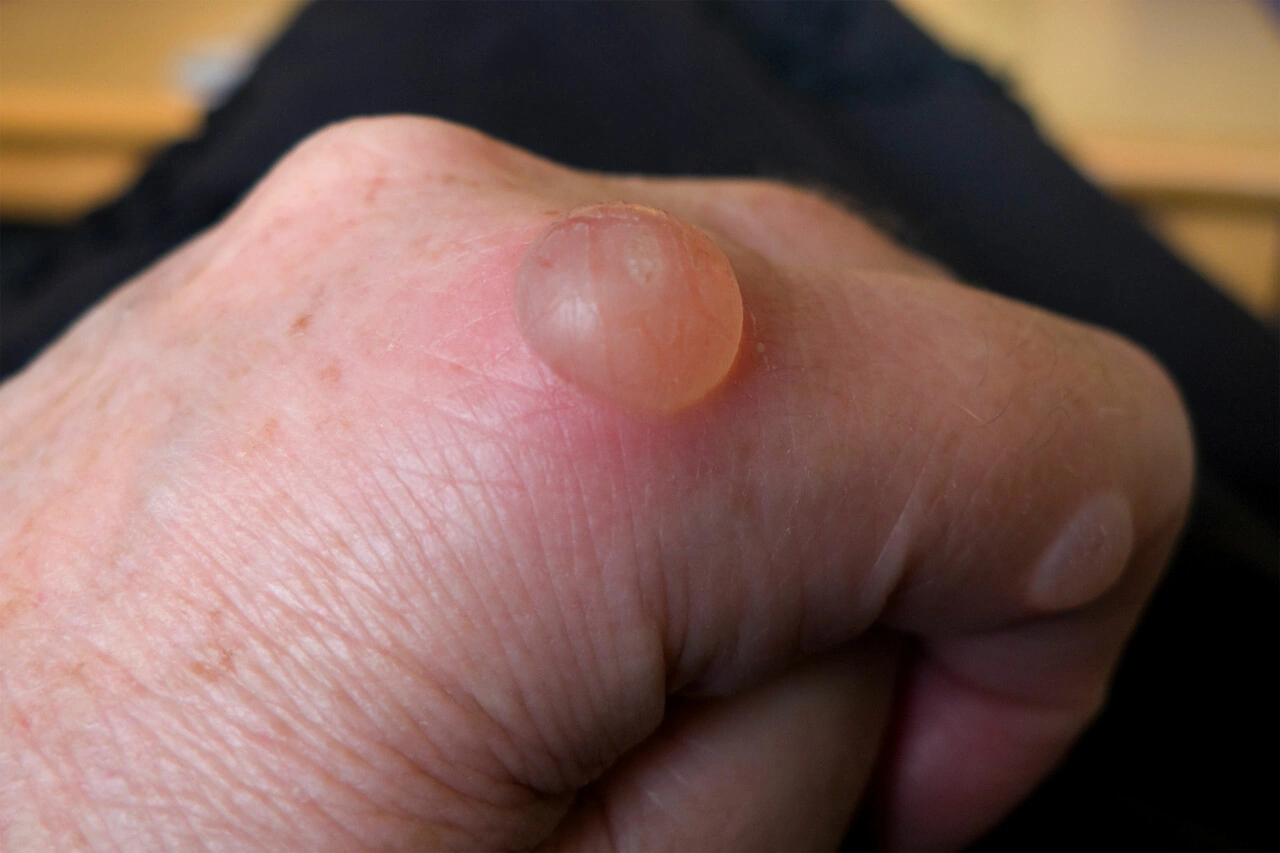
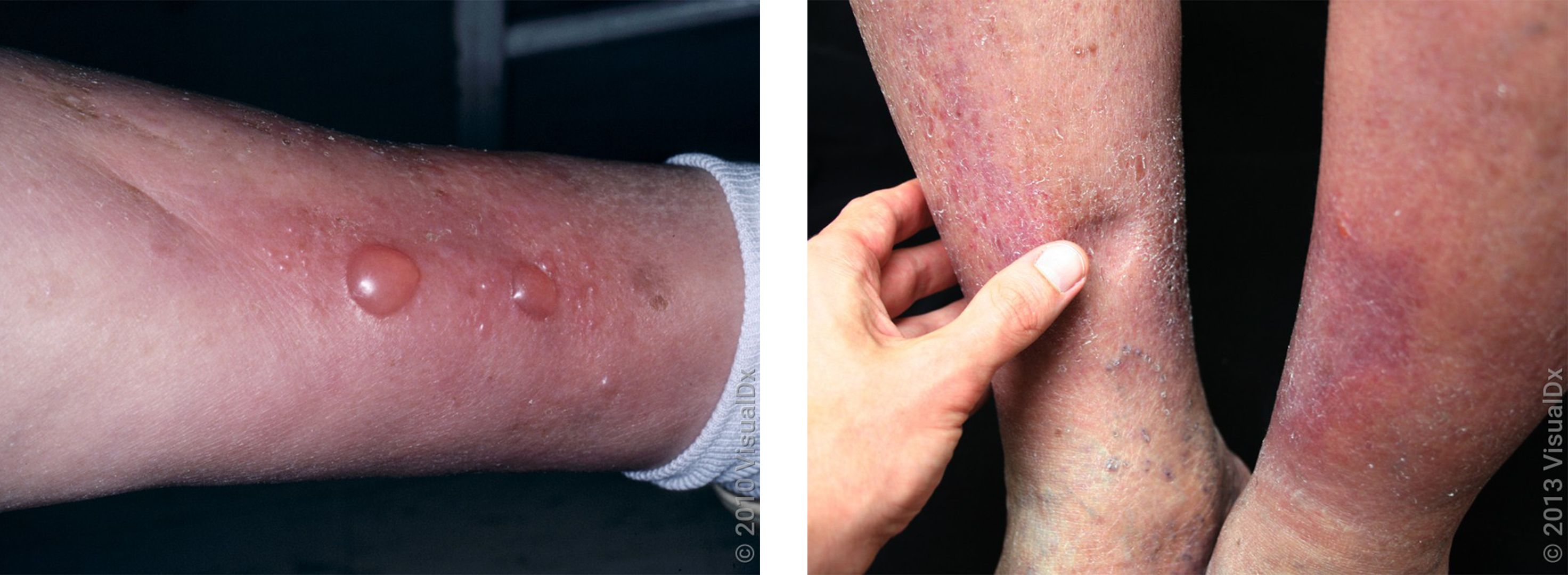
I get it—you want the visuals. What should you actually be looking for? Pull up “water blisters on legs pictures” and you’ll notice a pattern. Imagine dew drops—tiny, clear bubbles—sometimes alone, sometimes in little gangs, chilling on your shins or calves. They look almost glossy and bulge quietly, sometimes a bit red or angry around the edges if you’ve scratched or they’re about to pop.
You might see them on runners, hikers, or—yep—even older relatives who’ve spent the afternoon gardening. See those images of blisters on legs caused by shoes rubbing, or research on fluid-filled blisters —it’s all pretty universal stuff. (For the brave: peek at a few online. Don’t scroll during lunch, maybe…)
Now, most water blisters on legs are completely harmless. They’re like little warning flags: “Hey, back off! Give me a minute to heal!” Only if they start acting weird—changing color, looking pus-filled, or making you feel ill—do you need a closer look from someone in a white coat.
When Should You Actually Worry?
Okay, real talk. Sometimes, water blisters are just part of being an active, messy, human being. But if blisters are:
- Filled with green or yellowish pus—not just clear fluid
- Surrounded by hot, red, swollen skin
- Accompanied by fever or chills
- Not healing after a couple weeks (especially if you have diabetes or trouble with circulation)
…Then stop playing the tough guy. Call your doctor! Especially if you (or a loved one) check that last one—blisters lingering on older legs can sometimes mean serious stuff (water blisters on legs elderly shouldn’t be ignored).
Healing At Home (And Not Making It Worse!)
So, the big question… what now? You’re staring at your leg, wondering if you just slap a band-aid on and move on. The good news? That’s basically it! Most blisters need little more than patience, a clean cover, and a lot of “don’t pick at me!” energy.
My Go-To “Keep it Simple” Routine
Here’s a tried-and-not-so-true method (because life’s unpredictable, right?):
- Don’t pop the blister (seriously… I know it’s tempting, but let it be).
- Gently wash with mild soap and water.
- Pat dry (none of this wild rubbing).
- Cover with a loose, non-stick bandage.
- If it’s annoying or painful, chill it with a cool compress for a few minutes.
Honestly, this is how I nursed my last gnarly “new sneaker” blister. Sat on the couch, watched a movie, probably pouted a bit, and showed off my weird leg bubble to everyone in the house. Kept it covered, didn’t let my dog lick it—and in a few days, new skin slid right in underneath, and that was that.
Oh, and if you absolutely have to drain it (maybe it’s huge and you’re about to run a marathon?), use a sterilized needle, then keep it clean like it’s precious cargo. Still, most docs would say: Don’t, unless you really must (as explained by Healthline’s doctors ).
Preventing These Bubbles From Popping Up Again
Let’s not meet these “friends” again, shall we? With a couple of smart moves, most water blisters can be totally avoided.
The Do’s and Don’ts (From Someone Who’s Learned The Hard Way)
- Do break in shoes slowly. Please, don’t do the “all day hike out-of-the-box” test.
- Do wear socks that keep your feet dry—they’re your invisible shield (as recommended by skin experts).
- Do check your skin at night, especially if you’ve started a new workout or hobby (obsessive mirror-users unite!).
- Don’t ignore spots that rub over and over—use padding, tape, anything.
- Don’t let your skin get too dry—regular lotions help it stand up to chafe.
- Do use foot powder or antiperspirant, especially if you sweat like me during summer hikes.
Got someone older in your life? Remind them, too—water blisters on lower legs crop up easily with age (circulation, skin changes, all that fun stuff), so simple prevention goes a long way.
Let’s Wrap It Up (And Ditch The Panic)
Whew! If you’re still with me, you’re now basically the “blister expert” in your friend group (trust me, someone will need you at their next family BBQ). The truth? Water blisters on legs pictures can look alarming, but they’re almost always your body’s weird way of saying “hey, give me a minute to fix up!” Some TLC, a soft bandage, and a little patience usually do the trick.
If the blisters keep coming … or you’re noticing them on loved ones with other health conditions (water blisters on legs elderly is a real thing), don’t shrug it off. Sometimes, it’s your skin’s way of flagging you down. Don’t be embarrassed to check with your doctor—it means you’re smart, not paranoid.
In the end, life’s too short to let tiny bubbles ruin your adventures. Wear shoes you love, keep your socks dry, and treat your legs to all the kindness they deserve. Have a funny blister story, or maybe a fail-safe remedy you swear by? I’d truly love to hear it—because honestly, we all heal better when we swap stories (and a little humor) along the way.
Take care of those legs…your next adventure is waiting! (And this time, maybe with fewer blisters.)
Frequently Asked Questions
Water blisters on legs often come from friction like ill-fitting shoes or sweaty workouts that rub the skin raw. Other triggers include allergies from plants or soaps, or medical conditions like poor circulation, diabetes, or infections that make the skin fill with clear fluid.
They appear as small, clear, fluid-filled bubbles on shins or calves, sometimes clustered and glossy. They might have a red edge if irritated but usually stay tender without much swelling unless infected.
Worry if the blisters fill with pus, turn hot and red with swelling, come with fever, or don’t heal in a couple of weeks. This is especially important for people with diabetes or circulation problems, as it could signal something serious.
Leave them intact, wash gently with soap and water, pat dry, and cover with a loose bandage. Use a cool compress for pain, and avoid popping unless necessary with a sterilized needle. Most heal in days with this care.
Break in shoes slowly, wear moisture-wicking socks, use anti-chafing balms or padding on rub spots, and keep skin moisturized. For sweaty activities, apply foot powder, and check your skin regularly after new routines.
Read Next
Everything You Need to Know About Mini Dental Implants
Everything You Need to Know About Borage Oil

Debunking the Myth of Tooth Worms and Other Cavity Causes

Thinking About a Septum Piercing? Here’s What to Expect
5 Workouts That Give You the Afterburn Effect

What Is California Poppy, and Does It Have Health Benefits?
Related Posts
What Is Annatto? Uses, Benefits, and Side Effects
Aug 8, 2026 • 27 min read
How to Use a Warm Eye Compress to Treat Styes and Other Conditions
Sep 9, 2026 • 29 min read
What Are the Purported Benefits and Uses of PanAway Essential Oil?
Aug 12, 2026 • 14 min read
What Exactly Is a Tooth Piercing?
Sep 11, 2026 • 31 min read
Retroperitoneal Inflammation
Sep 12, 2026 • 20 min read