
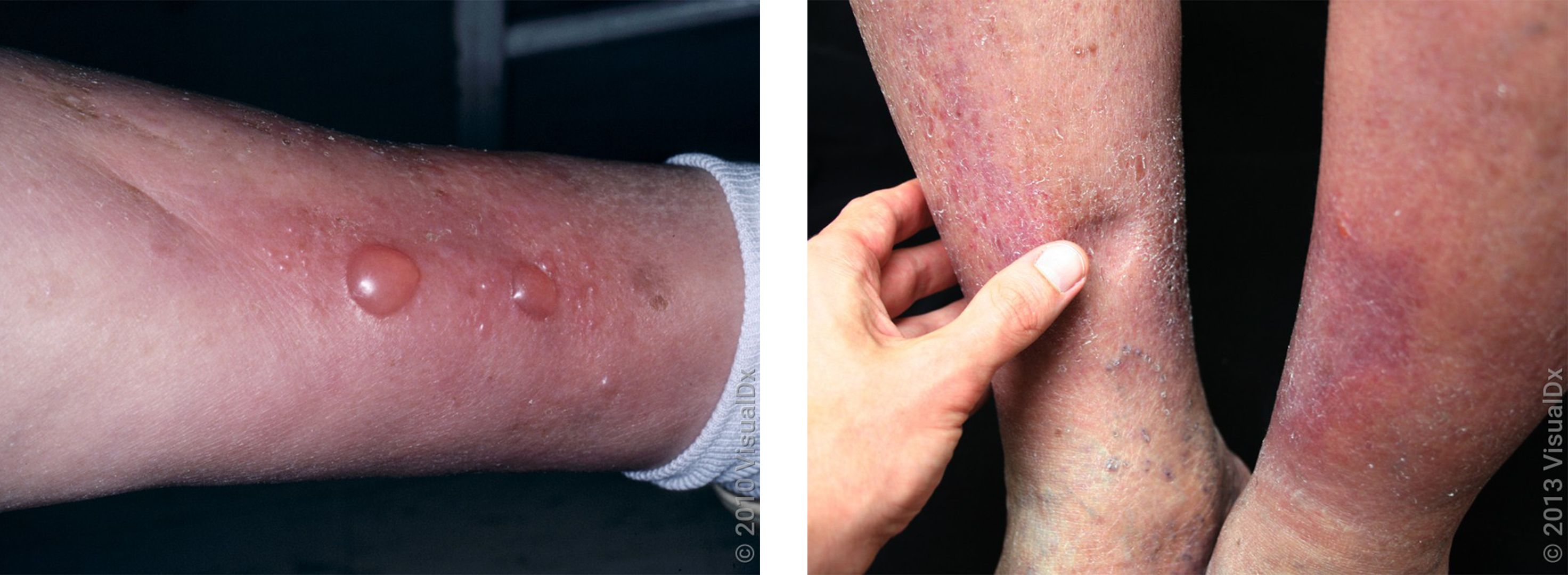
Water blisters on lower legs are fluid-filled sacs that develop on the skin. They are fairly common and, in most cases, resolve without medical intervention. However, if a blister becomes large, tender, or interferes with daily activities, draining it safely may be considered.
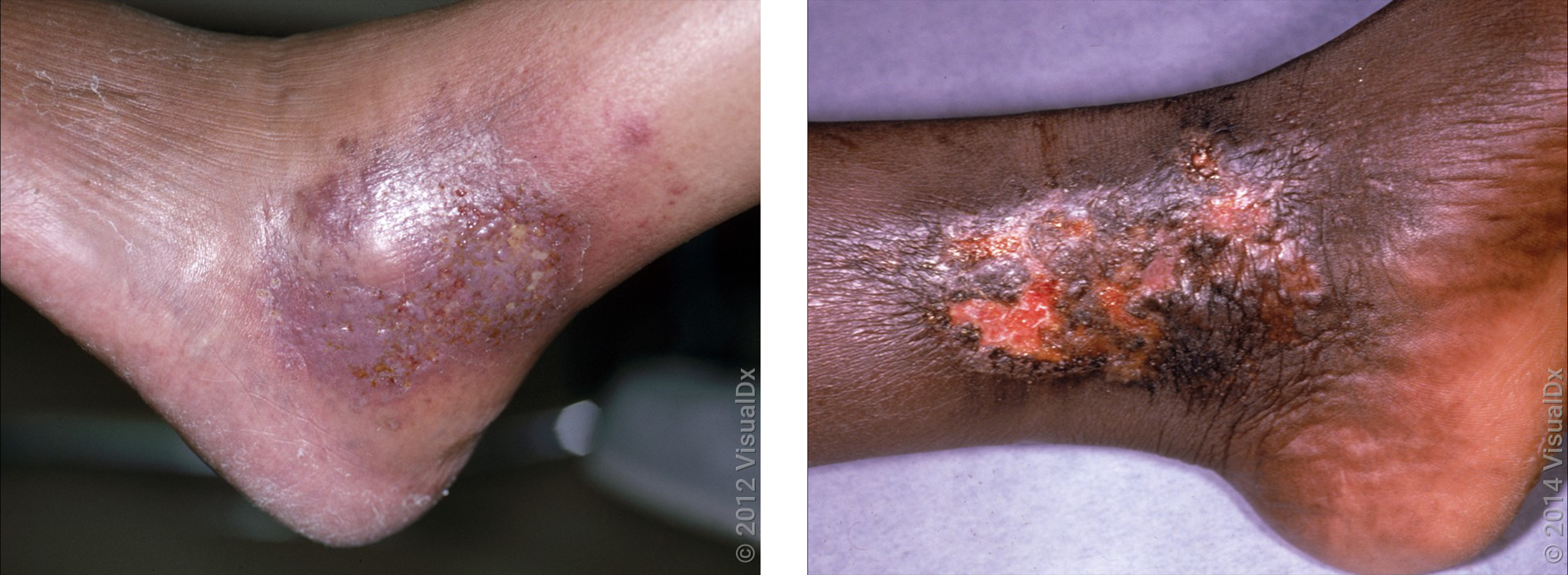
Also known as vesicles (small blisters) or bullae (larger blisters), these lesions can appear for several different reasons. When water blisters on lower legs form, it is often the result of skin damage or irritation that triggers the body’s natural healing response.
When the outermost layer of skin is injured, your body increases blood flow to help cool and repair the affected area.
As part of this healing mechanism, protective cushions made of blood serum (without clotting agents and blood cells) may develop. These serum-filled cushions are what we recognize as water blisters.
Some of the most common causes of water blisters include:
- friction
- burns from heat, chemicals, or the sun
- contact dermatitis
- eczema
- an allergic reaction
- poison ivy, poison oak, or poison sumac
- viral infections such as herpes, chickenpox, and shingles
- skin infections such as impetigo
- frostbite
Treatment options for blisters with water
In many situations, blisters will heal on their own. The intact skin covering the blister serves as a natural barrier against infection while new skin develops underneath and the trapped fluid is gradually reabsorbed.
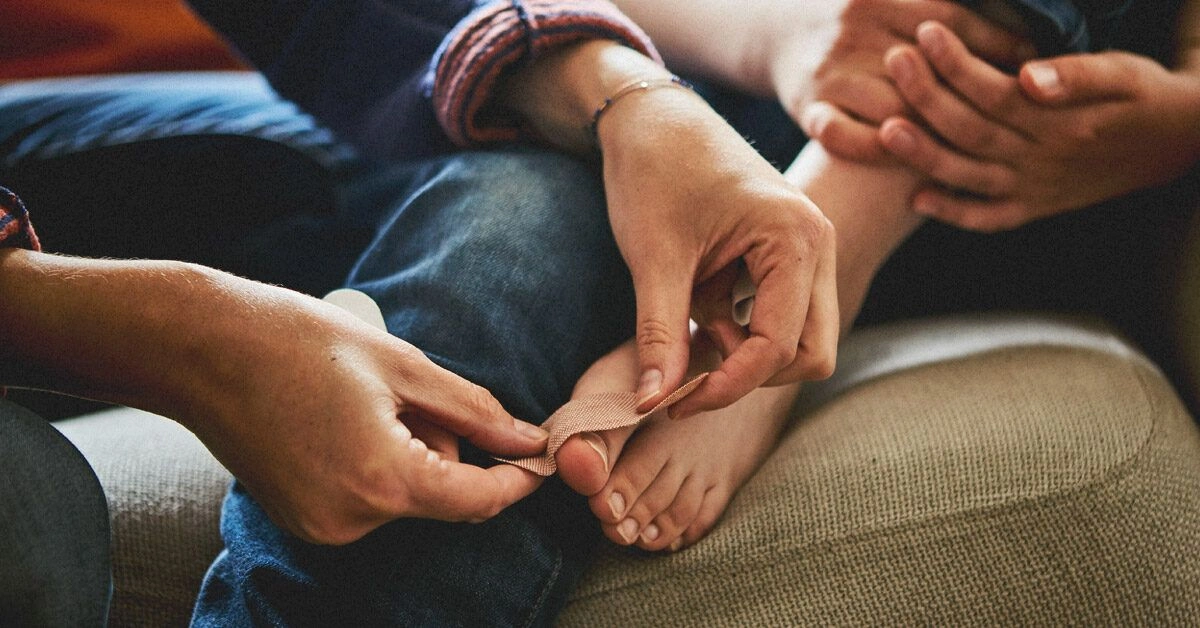
To keep water blisters on lower legs clean and shielded from further irritation, you can loosely cover them with a sterile bandage. Reducing friction and keeping the area dry can support faster healing.
Seek medical advice if:
- the blister shows signs of infection such as pus, or the surrounding skin becomes swollen, red, warm, or increasingly painful
- you develop a fever
- multiple blisters appear and you’re unsure of the underlying cause
- drainage continues after you have emptied the blister
- you have poor circulation or diabetes
People with diabetes or circulatory problems should be especially cautious, as even minor skin injuries on the lower legs can progress more quickly and carry a higher risk of complications.

How to drain a blister
If a blister is sizable, painful, or likely to rupture due to ongoing friction, you may choose to drain it carefully. This is sometimes necessary for water blisters on lower legs that rub against clothing or footwear.
To safely release the fluid while keeping the top layer of skin intact for protection, follow these steps:
- Wash the blister, the surrounding skin, and your hands thoroughly with warm water and soap.
- Using an absorbent pad, apply iodine to the blister and nearby area.
- Sterilize a sharp needle by wiping it with rubbing alcohol.
- Gently puncture the blister in several spots near its edge with the needle.
- Let the fluid drain out while leaving the overlying skin undisturbed.
- Apply petroleum jelly or a similar ointment to the blistered area.
- Cover the blister with a non-stick gauze bandage.
Follow-up care
- Inspect the area daily for any signs of infection.
- After a few days, use small, sharp scissors and tweezers — disinfected with rubbing alcohol — to carefully trim away any dead skin.
- Reapply ointment and protect the area again with a clean bandage.
Proper aftercare is essential for water blisters on lower legs, particularly because this area is prone to swelling, friction from clothing, and slower healing in some individuals.
Preventing blisters
The primary strategy for preventing blisters is to avoid the source of irritation whenever possible.
Although this advice may seem straightforward, it is practical. For example, if you developed blisters after a sunburn, reducing sun exposure and wearing protective clothing along with sunscreen can help prevent recurrence.
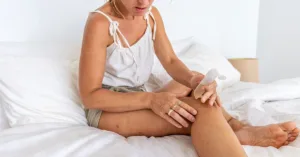
If you are prone to water blisters on lower legs, identifying patterns—such as friction from boots or reactions to certain fabrics—can make a meaningful difference. You may also find it helpful to review visual examples like Water blisters on legs pictures to better understand how friction blisters differ from those caused by infections or allergic reactions. Older adults may experience skin fragility and circulation-related factors that increase blister risk; learn more about this in Water blisters on legs elderly.
Feet
- Choose shoes that fit well and do not rub.
- Wear moisture-wicking socks to reduce dampness.
- Place moleskin inside shoes at points where friction occurs.
- Sprinkle powder into your socks before putting them on.
Hands
- Wear protective gloves during activities that cause rubbing.
- Apply powder inside gloves before use to decrease moisture buildup.
Body, arms, and legs
- Avoid clothing that causes chafing.
- Opt for moisture-wicking fabrics to keep skin dry.
- Use petroleum jelly on areas prone to repeated rubbing from clothing or adjacent skin.
Maintaining healthy skin by keeping it moisturized—but not excessively damp—can further reduce the likelihood of friction-related water blisters on lower legs and other vulnerable areas.
Takeaway
Water blisters are a frequent skin concern and, when left undisturbed, typically resolve on their own.
If a blister enlarges, becomes painful, or seems likely to burst, you may decide to drain it using proper sterilization techniques and protect the area with appropriate bandaging. Thoughtful choices regarding footwear, socks, and clothing can significantly lower your risk of developing water blisters on lower legs.
If you cannot determine the cause of a blister, notice continued drainage after emptying it, or observe any signs of infection, consult your doctor for evaluation and guidance.












Leave a Reply
You must be logged in to post a comment.