Why Are My Gums White?


Numerous issues can lead to white gums, ranging from minor problems like canker sores to infections such as oral yeast overgrowth or even cancer. It’s important to consult your healthcare provider to determine the precise cause.
Healthy gums are typically pink. Poor oral hygiene can make them appear red, while white gums often point to an underlying medical concern.
Continue reading to find out which conditions can produce white gums and the usual approaches to treatment.
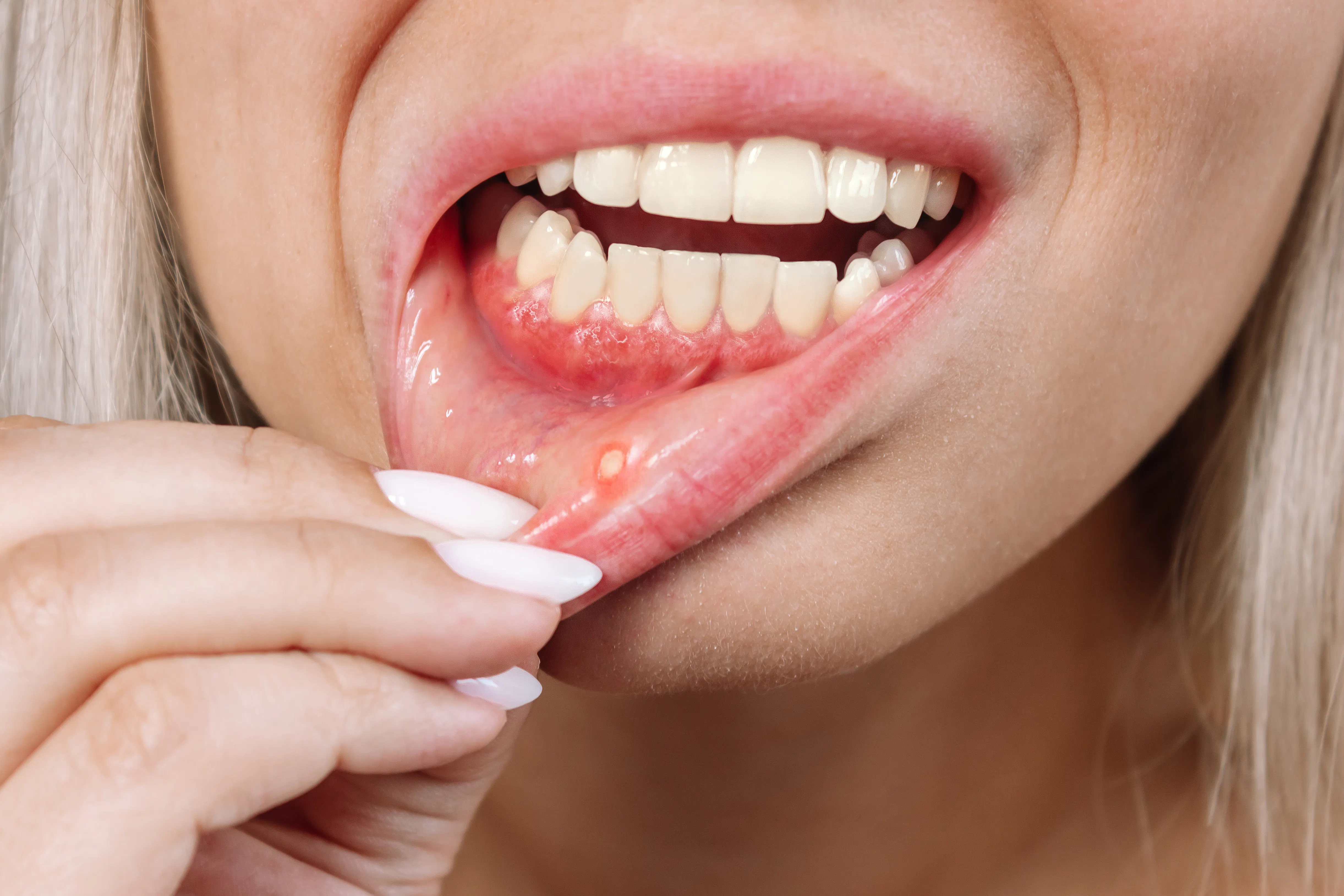
Picture of white gums
Gingivitis
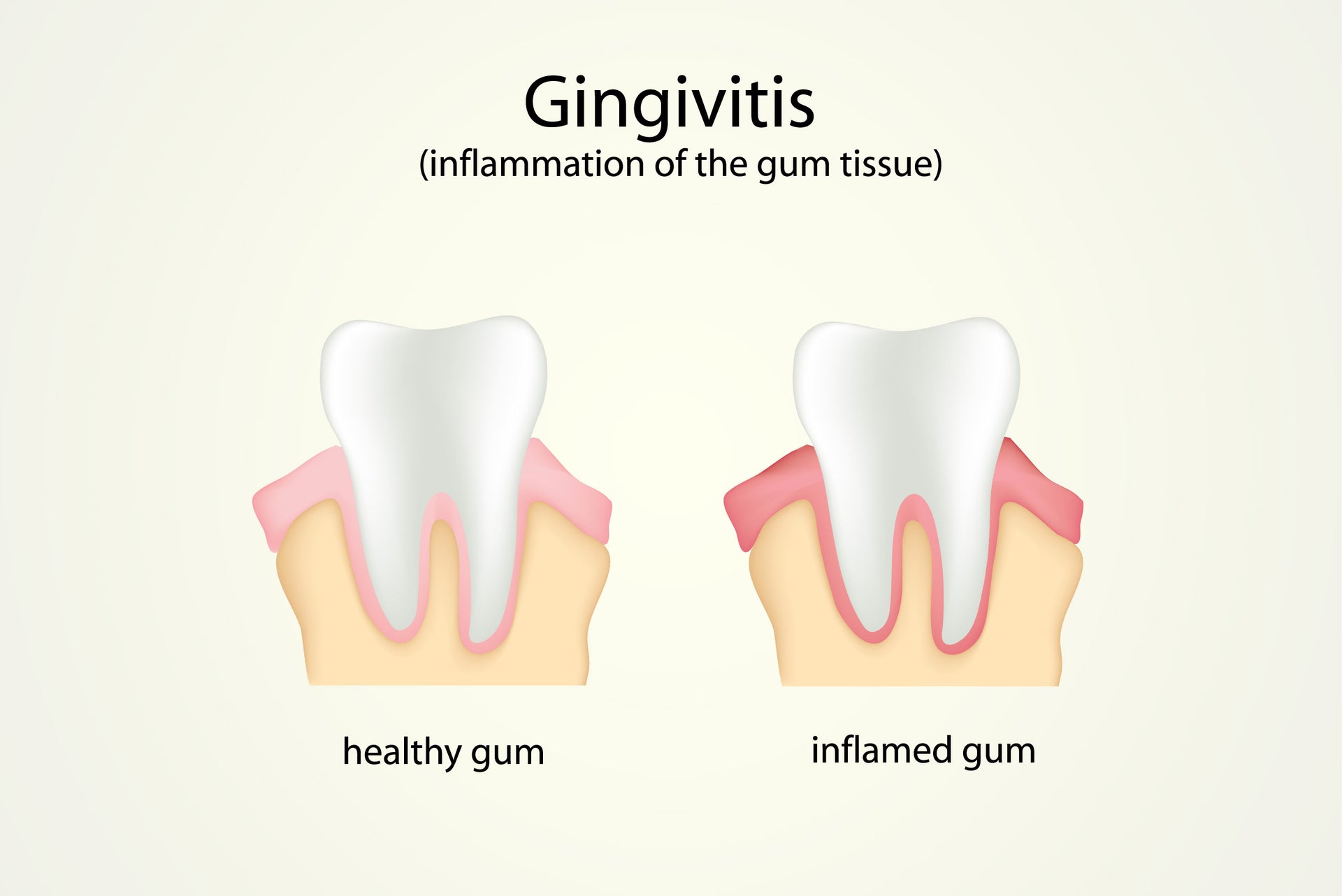
Gingivitis is an infection of the gums caused by bacteria. It most commonly arises from inadequate brushing and flossing. Consequently, your gums may turn white and pull away from the teeth.
Other signs of gingivitis include:
- loosened teeth
- gums that bleed during brushing or flossing
- inflamed or reddened gums
Learn more about gingivitis.
Canker sores
Canker sores are painful ulcers that form inside the mouth. They can appear on the insides of the cheeks, under the tongue, or along the lower gums. They’re tender to touch and can cause discomfort with eating and drinking.
These ulcers often have yellowish or white centers. If one develops at the base of your gums, it can make that area look white. However, if the whiteness extends across the entire gum line, canker sores are less likely to be the sole cause.
Learn more about canker sores.
Anemia
Anemia is a condition characterized by a reduced number of red blood cells. These cells carry oxygen to the tissues and organs throughout your body.
Causes of anemia vary and may include insufficient iron or vitamin B-12 in the diet. It can also stem from other medical problems, such as inflammatory illnesses like Crohn’s disease.
Severe fatigue is often an early sign of anemia. Other immediate symptoms include:
- dizziness
- headaches
- weakness
- shortness of breath
- cold hands and feet
- irregular heartbeat
- chest pain
- pale skin
Paleness results from reduced oxygen delivery due to anemia and can affect the gums as well. With anemia, you’re likely to notice a general paleness of your skin in addition to pale gums.
Learn more about anemia.
Oral candidiasis
Oral candidiasis (thrush) is a yeast infection inside the mouth caused by the fungus Candida albicans, the same organism that can cause vaginal yeast infections.
Thrush can spread across the mouth’s lining to involve the gums and tongue. The infection may appear white, red, or a mix of both. If the fungus reaches the gums, they can take on a white appearance.
Learn more about oral candidiasis.
Leukoplakia
Leukoplakia can also make parts of the gums look white. It presents as thick, white plaques that may cover the gums, tongue, and inner cheeks. In some cases the patches are so dense they look hairy.
This condition frequently arises from repeated irritation inside the mouth due to habits like smoking or chewing tobacco.
Learn more about leukoplakia.
Optum Now is operated by RVO Health. By clicking on this link, we may receive a commission. Learn more.
Oral cancer
In some instances, white gums may signal a more serious issue such as oral cancer (oral cavity cancer). This disease can progress rapidly and may affect the gums, tongue, and roof of the mouth.
You might observe small, flat, thin bumps in these regions that can be white, red, or flesh-toned. A major concern is that oral cancer may produce few symptoms early on, delaying diagnosis.
Learn more about oral cancer.
Tooth extraction
After a dental extraction, the gums near the removed tooth can appear white due to the trauma from the procedure.
This discoloration typically resolves and the gums return to their normal color within a few days.
Teeth whitening
Occasionally, gums may turn white following an in-office teeth-whitening treatment. This is a temporary reaction to the chemicals used during the procedure.
Your gums should regain their normal color within several hours after treatment.
Treatments for white gums
Because white gums can result from many different causes, treatment depends on the specific condition responsible for the color change.
Treating gingivitis
Improving oral hygiene with proper brushing and flossing and visiting your dentist twice yearly can help manage gingivitis.
For more advanced cases, your dentist might suggest scaling, root planing, or laser therapy.
Treating canker sores
Canker sores are among the easiest causes of white gums to manage. According to the Mayo Clinic , they often heal without treatment within one to two weeks.
If a sore worsens or hasn’t improved after 14 days, it could indicate a more serious issue.
If you experience multiple canker sores at once, a clinician might prescribe a medicated mouth rinse or topical treatment. Oral corticosteroids may be recommended if other therapies don’t help.
Treating anemia
Addressing anemia often involves dietary adjustments to increase iron and vitamin B-12 intake. Taking vitamin C can aid iron absorption, so supplements may be advised.
Anemia caused by inflammatory disorders requires management of the underlying disease; you should discuss treatment options with your doctor.
Shop for vitamin C supplements.
Treating oral candidiasis
Oral candidiasis is typically treated with prescription antifungal agents.
Treating leukoplakia
To confirm leukoplakia, your provider may perform a biopsy of one of the white patches. Treatment generally focuses on eliminating the habits that provoke the lesions, such as quitting smoking.
Leukoplakia can recur, so regularly check your gums and inform your dentist of any new or changing areas.
Treating oral cancer
More than half of oral cancer cases aren’t found until the disease has spread through the mouth and to lymph nodes, according to the National Cancer Institute (NCI).
Treatment depends on the cancer stage and may include chemotherapy and surgical removal of affected parts of the mouth or involved lymph nodes.
Outlook for white gums
The prognosis for white gums depends on the root cause. Acute issues like canker sores are typically temporary nuisances.
Chronic conditions such as inflammatory diseases will require ongoing management to control gum discoloration and other symptoms. Oral cancer is the most serious cause and requires prompt treatment to prevent further spread.
See your doctor or dentist if you notice unusual changes in your mouth or if white gums persist beyond one to two weeks.
Also consider checking common causes of nail changes such as white spots on nails as part of overall health monitoring.
Frequently Asked Questions
White gums can result from conditions such as canker sores, gingivitis, oral candidiasis (thrush), leukoplakia, anemia, reactions after tooth extraction, or teeth whitening. Each cause has distinct signs and may require different care.
See a clinician if white gums persist longer than one to two weeks, worsen, are accompanied by pain, bleeding, swelling, or other systemic symptoms like fatigue or unexplained weight loss.
Oral thrush is usually treated with prescription antifungal medications. Your provider will choose a topical or systemic antifungal based on severity and medical history.
Poor oral hygiene more commonly causes red, inflamed gums (gingivitis), but secondary infections or plaque-related changes can sometimes make areas appear pale or white. Good brushing and flossing help prevent many gum issues.
Yes. While many causes are minor, white gums can occasionally signal serious conditions like leukoplakia or oral cancer. Persistent, changing, or hard white patches should be evaluated promptly.
Read Next

What Exactly Is a Tooth Piercing?

Debunking the Myth of Tooth Worms and Other Cavity Causes

What Are the Effects of Thumb Sucking on the Teeth and Mouth?

What Should I Do About a Molar Broken Off at the Gum Line

Everything You Need to Know About Fever Blister Remedies, Causes, and More

Veneers vs. Lumineers: What’s the Difference?
Related Posts

How Regularly Should You Get Your Teeth Cleaned?
Aug 2, 2026 • 33 min read
Hyperdontia: Do I Need to Have My Extra Teeth Removed?
Aug 1, 2026 • 7 min read
Everything You Need to Know About Mini Dental Implants
Aug 24, 2026 • 14 min read
How Does Drinking Soda Affect Your Dental Health?
Aug 26, 2026 • 30 min read
The 9 Best Mouthwashes For Whitening, Cavities, Gums, Breath, and More
Sep 16, 2026 • 17 min read