

Bet You Didn’t Notice
Confession time: Have you ever woken up, bleary-eyed, and spotted a weird reddish mark on your arm? Maybe—you shrugged, thought “spider,” and went on with your day… Only to notice another, then another, and suddenly every tickle in your sheets gives you the creeps. Yup, I’ve been there. And more than once, thanks to a cross-country move and one too many “vintage” couches.
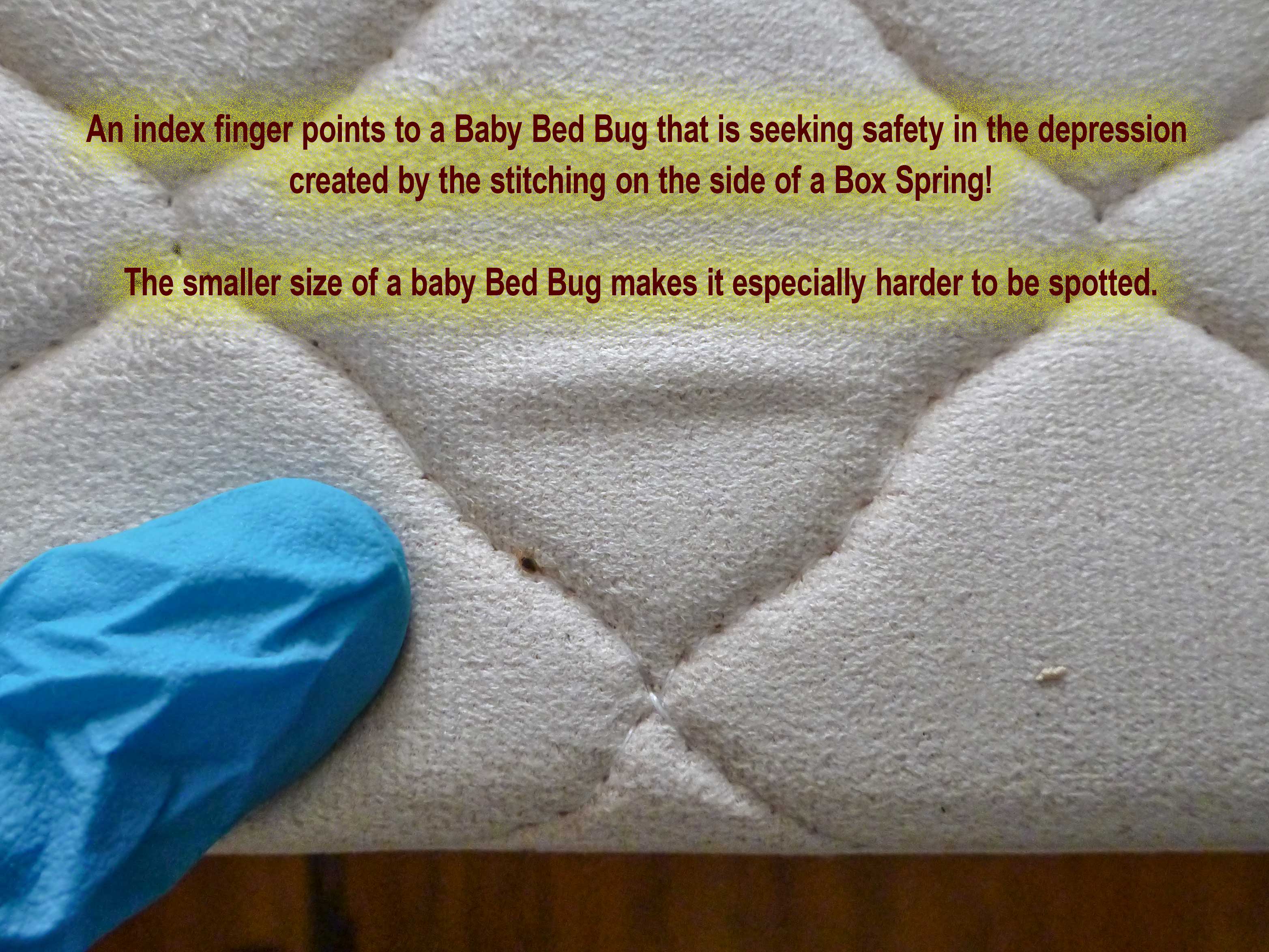
Here’s the deal: bed bugs are tiny, sneaky, and seriously good at making themselves invisible until you’re wondering if you’ve developed some mysterious dermatology problem. The bed bugs actual size chart is honestly the unsung hero of bite-free sleep. I wish I’d had one during my first run-in—so let’s break it down together, in plain English (with a dash of real talk and a lot less shame).
Just How Small?
Eggs: Tiny Terrors
Let’s start at the very beginning—the eggs, because (surprise) this drama begins microscopic. A bed bug egg clocks in at about 1mm long. That’s smaller than a sesame seed—more like a poppyseed or, to get really honest, the kind of thing you pretty much need magnifying glasses (or really young eyes) to spot bed bugs actual size chart [1][13].
Picture this: you’re on vacation, tossing a “crumb” off your suitcase thinking nothing of it. But a week later, you’re home and… well, I found out the hard way—those crumbs hatch. When I finally googled “bed bugs actual size chart at home,” I felt like Sherlock Holmes chasing invisible villains. Turns out, eggs are pearl-white, sticky little dots that glue themselves onto nearly any surface—under mattress seams, in screw holes, on the back of pictures you haven’t dusted since you moved in.
Nymphs: Blink and You’ll Miss ‘Em
After the eggs, things get a tiny bit less tiny. First-stage nymphs hatch out at about 1.5mm—and get bigger each time they snack and shed their skins, hitting around 4.5mm by the time they’re “teenagers.” Unfed? Nearly see-through, kind of ghostly. After a meal? Suddenly you have baby bed bugs that turn pinkish-red (vampire status confirmed) and look a little like apple seeds on a diet [1][9].
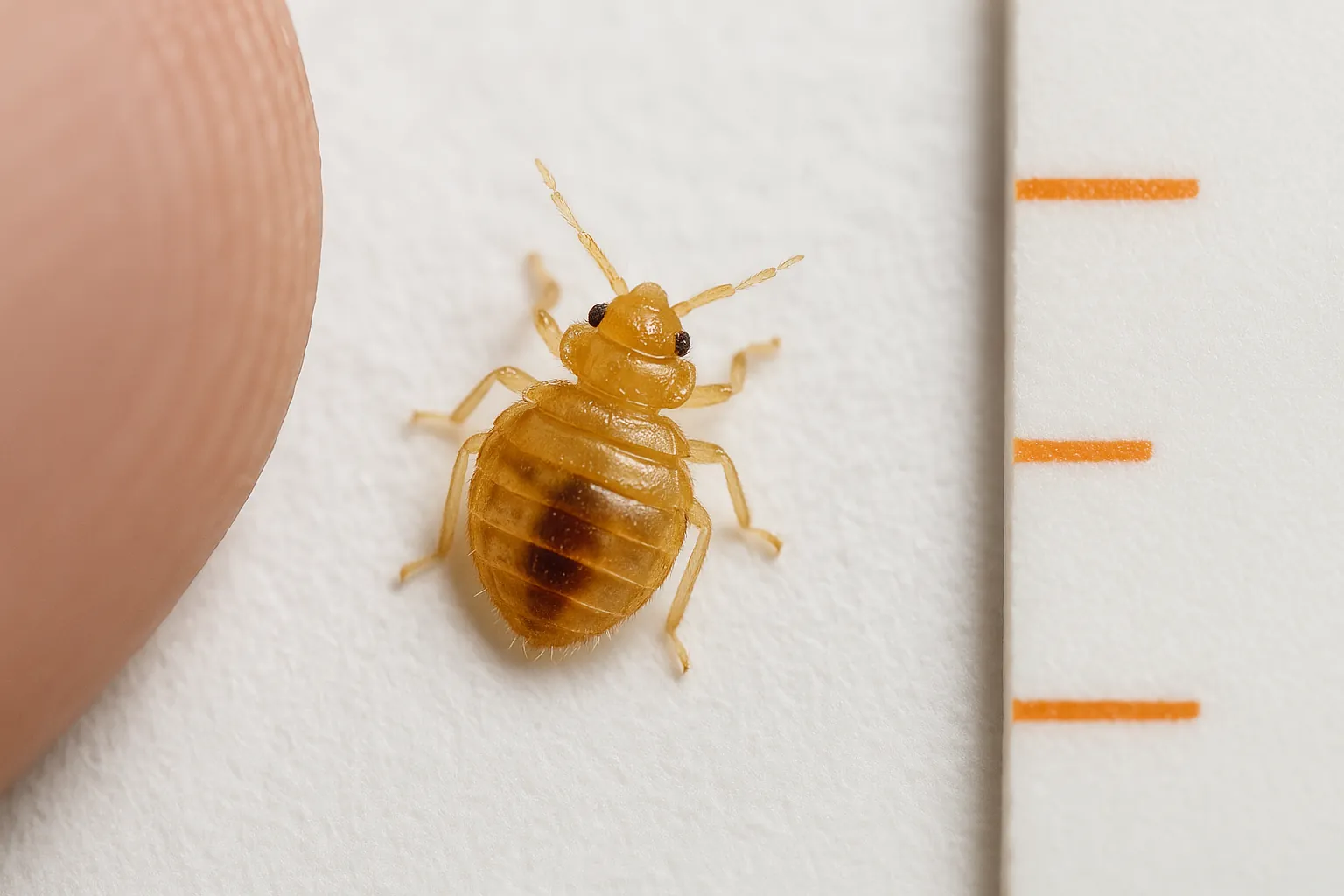
Nymphs are the “quiet” stage for infestations—they hide, feed fast, and let’s be honest, most of us blame the itching on stress or laundry detergent. A few years back, I thought I had hives from marathon training… It was nymphs. On the plus side, the bed bugs actual size chart doesn’t lie. If you spot something pale, sesame-seed-sized, and suspiciously mobile, you just met your culprit. See proof here: bed bugs actual size chart.
| Life Stage | Size (mm) | Size (inches) | Compares To |
|---|---|---|---|
| Egg | 1 | 0.04 | Poppyseed |
| Nymph (1st) | 1.5 | 0.06 | Pinhead |
| Nymph (5th) | 4.5 | 0.18 | Sesame seed |
| Adult | 5-7 | 0.2-0.28 | Apple seed |
Now The Adults…
Size Isn’t Everything (But It Really Helps)
When people say adult bed bugs are “the size of an apple seed,” it sounds manageable, right? Except… have you ever tried to spot a single apple seed in your bed sheets at 2:00 AM? Good luck. Adults run from 5mm to 7mm in length—let’s say about a quarter of an inch, or about the thickness of two stacked quarters. Before they eat, they’re flat and oval, a sort of reddish-brown (Couch Camouflage 101). After a blood meal, they can bloat up, looking more like tiny brown footballs [1][3][5].
Now, if you’re wrinkling your nose already, welcome to the club. I had one memorable moment—lights on, spotting what looked like an apple seed on the edge of my pillow. Instantly, my night was ruined. Pro tip: don’t squish it on white sheets if you want to sleep again soon. (Who needs horror movies when real life is scarier?)

Fed, Flat, or Football-Shaped?
You can actually tell if bed bugs have eaten lately by their shape. Unfed adults = flat, almost disc-like, easy to slide into the world’s tiniest cracks. But after a meal, they puff up, get longer, kind of torpedo-shaped and deep red. It’s a pretty impressive transformation—biology doing its grossest best [1][13].
| State | Shape | Color | Notable Features |
|---|---|---|---|
| Unfed | Flat oval | Reddish-brown | Hard to spot, great at hiding |
| Fed | Elongated, swollen | Redder, almost purple | Moves slowly, easier to find |
If you want a side-by-side that’s real—not just another “diagram”—scroll through the photos in bed bugs actual size chart. I wish more of us had seen images like that before our first “surprise!” bite.
Hide-And-Seek “Champions”
Where They’re Hiding, Right Now
So how is it possible you can be living with bugs the size of apple seeds and not ever spot one? Here’s their magic trick: bed bugs are masters of sneaky hiding spots—inside mattress seams, behind headboards, under baseboards, inside phone chargers (don’t ask)—anywhere dark and tight. Their flat bodies help them slide into cracks “the thickness of a credit card,” according to research on bed bug identification by Cornell CALS [5].
The stakes? If you spot itchy, zigzagging bites and weird brown stains on your sheets (seriously: check the seams), you’re probably living with adults and nymphs. In my first infested apartment, I blamed everything on dry winter skin. Then I moved my mattress and found what looked like—well, pepper sprinkles and a bunch of oval bugs in the corners. Lesson learned way too late.
Can You Always Tell?
Here’s the honest bit—sometimes, you can have a ton of bed bugs and not react to their bites at all. Lucky you… or not? Dermatology say skin reactions vary wildly. Some people wake up with classic welts, others, nothing. That’s why knowing what the bugs really look like, egg to adult, is such a game-changer. Got mysterious “sand” by your bed legs? It pays to compare what you see to a bed bugs actual size chart before you swap all your lotions in despair [1][7].
Are They Imposters?
What Else Looks Like Bed Bugs?
All this lip service to size, but… do you feel silly wondering if that brown speck on your nightstand is a bed bug, a carpet beetle, or leftover cookie crumb from midnight snacking? No judgment. Tons of people bring me bags with lint, bugs, or beads—asking, “Is it bed bugs?”
Here’s a cheat sheet:
- Bed bug = oval, flat, reddish-brown, 5-7mm long when adult
- Carpet beetle = tiny, hairy, can be round or oval, usually smaller
- Bat bug = almost identical, but check for longer fringe hairs around their “neck” (hard to do without a microscope)

Health Impacts: It’s More Than “Just Itching”
From Bites to Bigger Worries
Yep, the famous bed bug bite. Dermatologists describe typical bites as red, itchy welts—usually in rows or clusters. (My record? Fifteen, in an almost perfect zigzag.) For most folks, reactions are mild, but some unlucky souls get blisters, hives, or infections from scratching nonstop [5][9].
And while bed bugs are not, technically, disease-spreaders, I can vouch for the physical and mental toll. Good sleep? Out the window. Stress? High. The real kicker: you can do everything right wellness-wise—wash sheets, eat salads, get fancy creams—and bed bugs still find a way in if you’ve ever crashed at a friend’s place, traveled, or bought that irresistible thrift chair.
Prevention (A Little Goes A Long Way)
Good news—you don’t have to burn your house down (promise). The first step is knowing what you’re looking for, and that means using a reliable bed bugs actual size chart whenever you’re suspicious. Look in seams, behind outlets, folds of fabric, and—gross but true—even screw holes. Vacuum often, check secondhand furniture, and consider encasements for mattresses. If you travel, inspect beds before dropping your bag. A flashlight and a little paranoia go further than you think.
One more thing: if you start seeing signs, don’t wait. The faster you act, the easier it is to kick them out. (Slow responses = they multiply. Fast, sneaky, and so annoying… but beatable.)
Wrapping It Up: You’ve Got This
Okay, let’s take a breath. That’s a wild ride for a bunch of bugs smaller than a pea, right? The big lesson: size matters—not because these pests are huge, but because they’re small enough to escape notice and cause huge drama anyway.
Whether you’ve spotted something suspicious or just want peace of mind, the best weapon you’ve got is knowledge (and maybe a magnifying glass). Compare what you find to a legit bed bugs actual size chart, trust your gut, and don’t wait around if you suspect you’ve brought home some “guests.”
Remember, the best wellness tip isn’t just about products or routines—it’s knowing what’s lurking where you can’t see. (And hey, share this with a friend who travels a lot or is obsessed with thrift store finds—help save someone else’s sleep, too.)
Now, go check your corners… and may all your dreams be itch-free!















Leave a Reply
You must be logged in to post a comment.