

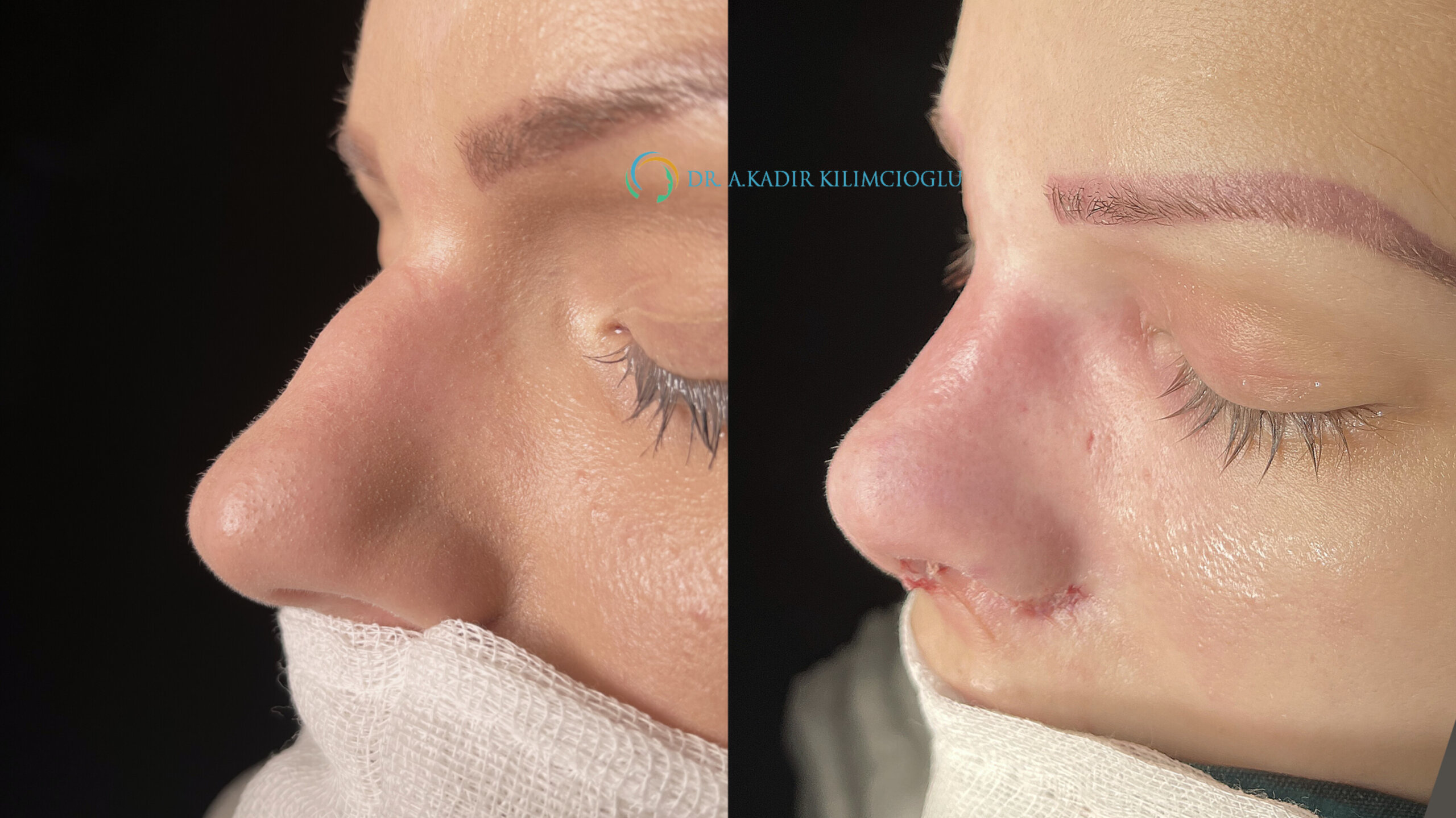
Dorsal humps are irregularities in the cartilage and bone of the nose. These irregularities produce a bump or “hump” along the nose’s profile instead of a smooth slope from the nasal bridge to the tip.
For most individuals, these natural bumps are neither unhealthy nor dangerous. However, many people feel self-conscious about the aesthetic appearance of dorsal humps.
One of the most common motivations for pursuing cosmetic rhinoplasty (commonly called a nose job) is dorsal hump removal.
This article outlines what dorsal humps are, why they form, and what to expect if you choose to have a dorsal hump surgically corrected.
Symptoms of dorsal humps
The primary sign of a dorsal hump is a visible bump on the nose, but other related symptoms can include:
- nasal swelling
- pain in or around the nostril
- redness near the nose
- tenderness around the nasal area
- a foreign or unusual sensation inside the nose
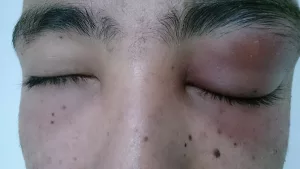
If hairs lining the inside of the nose become irritated or a follicle becomes blocked, an infection can develop. An infected area may swell, redden, or become tender. Severe infections can lead to a bump that resembles a dorsal hump. Acne on the nose can also produce a protrusion inside a nostril.
Common causes of dorsal humps
The nasal “dorsum” is the bone-and-cartilage framework that forms the bridge of your nose. Humps on the dorsum can form for multiple reasons.
Genetics
Some people inherit the tendency to develop a dorsal hump; in these cases the bump is related to the nose’s natural structure.
Genetically influenced dorsal humps may not be obvious in early childhood but can emerge during puberty as the nose continues to develop.
Your nose consists of several parts where bumps might appear:
- Nostrils. The openings of the nasal cavity that let you breathe and smell.
- Septum. The partition between nostrils made of bone at the top and cartilage toward the tip.
- Nasal cavity. The space behind the nose, connected to the throat and separated from the mouth by the palate.
Trauma or injury
Injuries to the nose—such as a bruise or a fracture—can lead to a dorsal hump if the bone and cartilage heal unevenly.
Some dorsal humps from trauma arise after self-inflicted irritation, such as frequent nose picking, plucking hairs inside the nostrils, or complications from a nose piercing. These actions can introduce bacteria or fungus that trigger infections. Redness and swelling may follow, and severe infections can form a dorsal bump.
Medical causes
Severe allergies can contribute to nasal bumps. Nasal polyps (growths) may develop and cause discomfort. Boils—infected hair follicles caused by Staphylococcus aureus (staph)—are another medical cause.
Infectious causes
When bacteria or fungi penetrate the hair follicles lining the nostrils or a follicle becomes blocked, an infection can result. Some of these infections become severe enough that a dorsal bump forms.
Do dorsal humps affect breathing?
Unlike a deviated septum—which can cause a crooked appearance and impaired airflow—dorsal humps generally don’t obstruct breathing.
Although a dorsal hump can change the nose’s look, the bone-and-cartilage irregularity itself usually does not limit breathing capacity.
It’s possible for an injury to produce both a dorsal hump and a deviated septum; however, removing the hump will not necessarily restore normal breathing. Dorsal hump removal is primarily an aesthetic choice rather than a medical necessity. The procedure is typically pursued only if you are consistently unhappy with your nose’s appearance and firmly wish to alter it.
Options for dorsal hump removal
Removal options include surgical rhinoplasty and a less invasive nonsurgical rhinoplasty.
Open rhinoplasty
Open rhinoplasty, the traditional surgical approach, is the most common permanent solution for dorsal hump removal.
This operation is performed under general anesthesia. A plastic surgeon makes a small external incision that provides full access to the bone and cartilage beneath the skin.
The surgeon reshapes the profile by sanding down or modifying bone and cartilage; in some cases, the nasal bones are fractured and repositioned to achieve a smoother contour.
After an open rhinoplasty, a splint or cast is typically applied to the nose for up to a week. Overall recovery usually takes about three weeks on average.
Closed rhinoplasty
In closed rhinoplasty, the surgeon operates through the nostrils without an external incision on the nasal bridge.
This procedure also uses general anesthesia. The surgeon works beneath the nasal openings to alter the bone and cartilage over the nasal passages.
Closed rhinoplasty tends to have a shorter recovery period, with full healing expected within one to two weeks.
In both open and closed approaches, the surgeon may break and reset the nasal bones to enhance the nasal shape. These controlled fractures account for much of the postoperative bruising and swelling. If bones are reset, a metal or plaster splint is usually worn outside the nose for up to a week to support proper bone healing.
Nonsurgical rhinoplasty
Nonsurgical rhinoplasty, often called liquid rhinoplasty, can yield results lasting from about six months to two years.
This treatment uses topical anesthesia and can be completed in roughly 30 minutes.
Dermal fillers are injected to fill areas around the dorsal hump, creating a smoother profile along the nasal bridge.
Nonsurgical rhinoplasty is far less expensive than surgery, carries fewer potential complications, and typically requires little to no downtime before returning to usual activities.
How much does dorsal hump removal cost?
Because dorsal hump removal is cosmetic rather than medically required, insurance usually won’t cover the procedure.
If you opt for surgical rhinoplasty or dermal fillers, you should expect to pay out of pocket.
In 2020, the average cost for an open or closed surgical rhinoplasty in the United States was about $5,500. Dermal fillers used in liquid rhinoplasty will add additional fees.
Costs vary widely based on factors like:
- the surgeon’s experience
- local cost of living
- the complexity of your individual case
When estimating the total expense, include fees for anesthesia, prescription pain medication, and potential time off work for recovery.
Finding a board-certified surgeon
Selecting a board-certified surgeon is essential to minimize the risk of complications during dorsal hump removal.
Schedule a preoperative consultation to review the procedure and your expectations. A reputable surgeon will set realistic goals for your outcome and show before-and-after photos of prior patients.
Questions to ask your surgeon
Consider asking these questions during your consultation:
- How much will the surgery cost?
- What outcome is realistic for my situation?
- What complications might arise from this procedure?
- How much experience do you have with this specific operation?
- How long will my recovery take?
Be sure to disclose any health conditions, family medical history, and all medications (including recreational substances) you are taking.
The American Society of Plastic Surgeons offers a search tool to help you locate qualified plastic surgeons in your area.
Wait until facial growth is complete
The face continues to change through puberty and into the late teens. Rhinoplasty should not be performed until facial development is finished.
A competent plastic surgeon will assess whether your face is still developing and advise you to delay surgery until full maturity is reached.
Can a dorsal hump return after removal?
Once removed, a dorsal hump does not “grow back.”
After surgical rhinoplasty, some patients form callus-like tissue where bone and cartilage were modified; these scarred areas can resemble a dorsal hump.
Postoperative bruising and swelling may temporarily make the treated area look enlarged. This swelling is a normal part of healing and does not indicate that the removed hump is returning. Most swelling subsides within about a week.
Takeaway
There is no medical requirement to remove dorsal humps. Still, if the bump makes you feel self-conscious, know that there are options available.
If your nasal appearance is negatively affecting your daily life, dorsal hump removal might be an option worth exploring. For less invasive concerns such as minor contour irregularities or issues related to butt sweat, nonsurgical alternatives can sometimes offer a temporary improvement, while surgery provides a permanent change.


















Leave a Reply
You must be logged in to post a comment.