
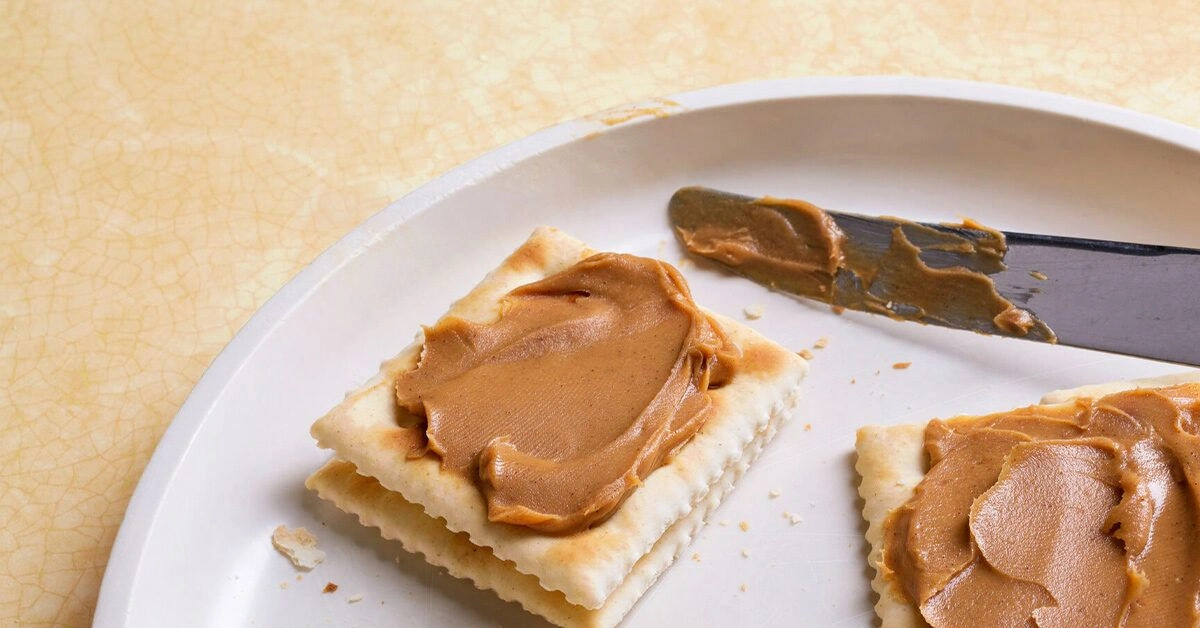
Saltine crackers — sometimes called soda crackers or saltinas — are a familiar, adaptable snack enjoyed by many.

Prepared with refined wheat flour, a rising agent such as baking soda or yeast, shortening, and coarse salt, saltine crackers are recognized for their dry bite, crunch, and the small holes that make them easy to break apart and eat.
They’re commonly served alongside soups and are frequently eaten with spreads like nut butter, jam, or jelly.
This article reviews the pros and cons of saltine crackers to help you decide whether they’re a sensible snack choice.
Nutritional profile of saltine crackers
Overall, saltine crackers tend to be low in calories, fat, and dietary fiber (1, 2, 3).
They do provide small amounts of folate (vitamin B9), which is important for fetal development (4).
Per serving of about 3–5 crackers (15 grams), below is a comparison of the nutrient content in different saltine options (1, 2, 3):
| Nutrient | Regular | Low sodium | Whole wheat |
| Calories | 62.7 | 59 | 55.7 |
| Carbs (grams) | 11.1 | 12.3 | 9.6 |
| Protein (grams) | 1.4 | 1.6 | 1 |
| Fat (grams) | 1.3 | 0.2 | 1.5 |
| Fiber (grams) | 0.4 | 0.4 | 0.9 |
| Folate (% daily value, or DV) | 5% | 5% | 3% |
| Sodium (% DV) | 6% | 6% | 7% |
The regular, low-sodium, and whole-wheat versions offer comparable amounts of energy, fiber, protein, folate, and sodium per serving.
That said, the low-sodium and whole-wheat options deliver similar sodium levels despite fewer crackers per serving compared with regular saltines.
SummarySaltine crackers are low in calories, fat, and fiber but supply modest folate. Across regular, low-sodium, and whole-wheat types, a 3–5 cracker serving supplies about 6–7% of the DV for sodium.
Do saltine crackers affect your weight?
Researchers have considered whether saltine crackers influence weight management.
Saltine crackers and weight gain
Although some people worry that saltines might promote weight gain, there’s no direct evidence linking moderate consumption of saltine crackers to increased body weight.
That said, frequent intake of highly processed foods and diets high in sodium has been associated with higher body weight.
For example, a randomized controlled trial found higher calorie intake and a weight gain of about 1.4–2.6 pounds (0.6–1.2 kg) over two weeks in participants whose diets were rich in ultra-processed foods (5).
Additionally, a study of 7,629 people showed a link between high salt consumption and higher body weight (6).
No single food eaten in moderation will inevitably change your weight, including saltine crackers. However, because they’re small and easy to overeat, you could consume excess calories and sodium, which might contribute to weight gain over time.
Saltine crackers and weight loss
There are limited reports tying saltines to weight loss, but evidence is inconclusive.
A brief, three-week trial observed weight changes among participants who ate one saltine cracker daily, though the study primarily assessed whether expectations influenced weight rather than the crackers’ physiological effects (7).
The research examined whether people who believed in superstitions about crackers affecting weight were more likely to experience those outcomes when consuming them (7).
Because the trial was small and did not track participants’ overall diets or lifestyles, it’s impossible to determine whether the crackers themselves played any meaningful role.
In general, saltine crackers can be part of a balanced eating plan. If your aim is weight loss, concentrate on your overall diet and activity rather than singling out individual foods.
SummarySaltine crackers alone are unlikely to cause weight gain or loss; however, consistently eating high-sodium, highly processed foods is tied to weight gain.
May ease symptoms of an upset stomach
The bland, salty, and low-fiber characteristics of saltine crackers can make them suitable for certain stomach issues.
For example, a study of 45 people with gastroparesis found that saltine crackers modestly relieved symptoms (8).
Gastroparesis is a disorder of delayed stomach emptying that can cause bloating, nausea, vomiting, belching, and acid reflux (9, 10).
Nutritional approaches for gastroparesis include eating smaller portions and lowering fiber and fat intake. Bland, starchy, salty foods like saltines were generally well tolerated by people with this condition (8).
Similarly, bland, low-fat foods can ease nausea and vomiting during pregnancy, including severe cases like hyperemesis gravidarum (11).
Nausea and vomiting in pregnancy can hurt health, quality of life, and finances due to more medical care and missed work (12).
Although data are limited, healthcare providers sometimes suggest bland foods, such as saltine crackers, to help manage pregnancy-related nausea (13).
Similar advice may be given to people receiving chemotherapy to help control nausea (14).
Therefore, saltine crackers may help with upset stomach symptoms stemming from several causes.
SummarySaltine crackers may ease stomach upset in people with gastroparesis or nausea from pregnancy or chemotherapy.
Saltine crackers are relatively high in sodium
A 15-gram serving of regular, low-sodium, or whole-wheat saltines supplies about 6–7% of the DV for sodium — roughly 5 regular crackers or 3 low-sodium/whole-wheat crackers (1, 2, 3).
Though those percentages may seem small, sodium adds up quickly with larger portions. For instance, eating 10 regular saltine crackers (two servings) provides about 12% of the DV for sodium.
High salt intake is linked to elevated blood pressure and greater risk of heart disease (6, 15).
Evidence also suggests that chronically high salt consumption may change taste perception by reducing tiny blood vessels beneath the tongue, which could prompt people to prefer saltier foods and thereby raise blood pressure risk (16).
For these reasons, it’s wise to enjoy saltine crackers in moderation so you don’t exceed recommended sodium limits.
SummarySaltine crackers contribute moderate amounts of sodium that can become substantial with larger portion sizes. High salt intake is associated with hypertension and increased heart disease risk.
Are saltine crackers healthy?
Experts agree that overall dietary patterns matter far more than any single food for long-term health (17).
So, while saltine crackers don’t offer many nutrients, they can still be part of a healthy eating plan when consumed in moderation.
Ways to make them more nutritious
Combine saltine crackers with low-sodium, nutrient-dense foods that provide healthy fats, fiber, and protein to create satisfying snacks that keep you full longer.
Good pairing ideas include:
- Nut butter: peanut, almond, or cashew
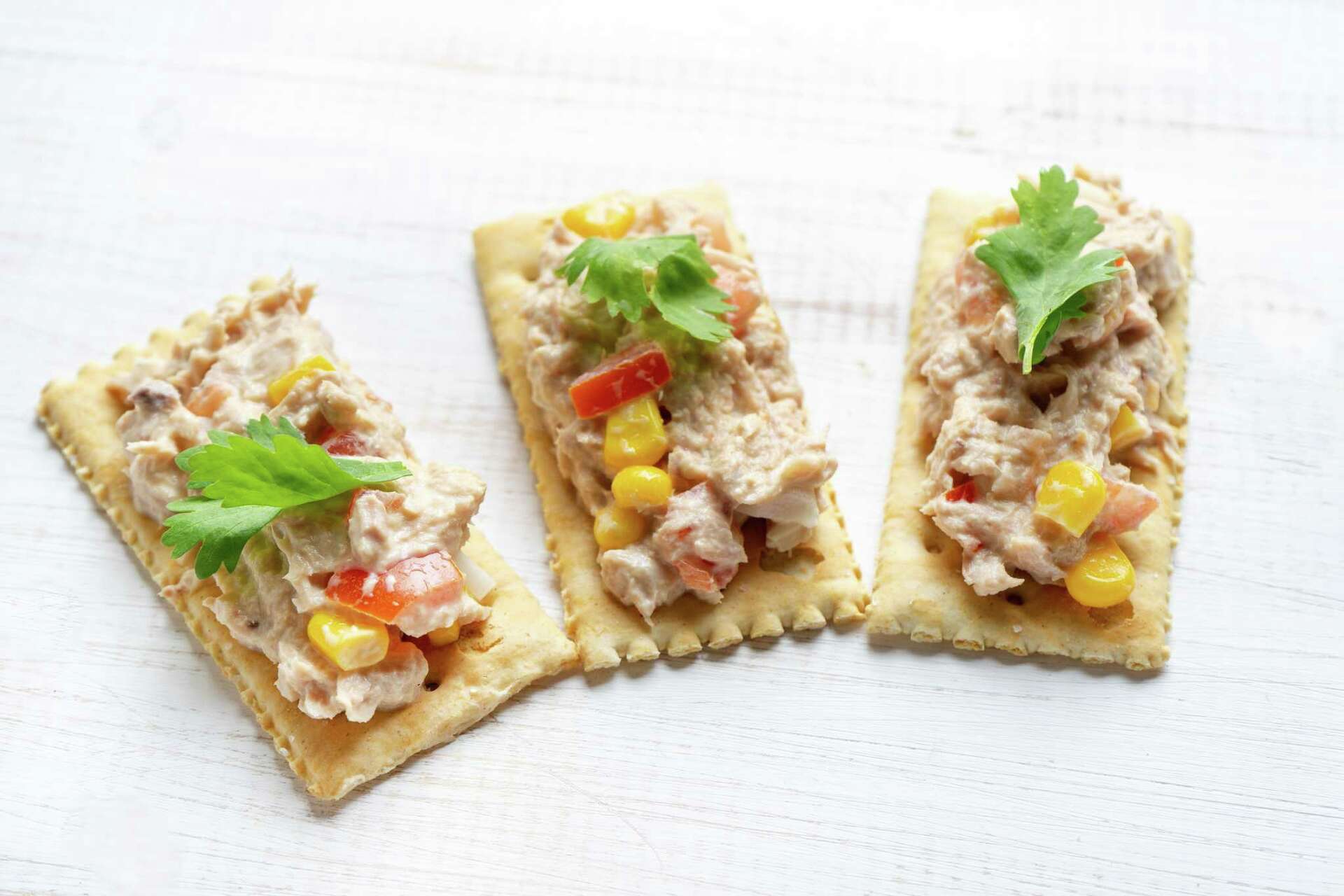
- Meat, fish, poultry: tuna salad, grilled chicken, or roast beef slices
- Dairy: low-sodium cheese or Greek yogurt
- Legumes: hummus, or alongside lentil soup or black bean chili
For readers curious about similar snack ingredients, you might also want to know are rice krispies gluten free, are tortilla chips gluten free, or are pretzels healthy.
SummarySaltine crackers can be included in a balanced diet when eaten in moderation. Pair them with nut butter, dairy, legumes, meat, fish, or poultry for more nutritious, filling snacks.
The bottom line
Saltine crackers are a widely eaten snack known for their crisp texture and salty taste.
Per 15-gram serving they are generally low in calories, fat, and fiber, and contain a modest amount of sodium.
They’re often tolerated well by people with stomach upset due to conditions like gastroparesis, pregnancy-related nausea, or chemotherapy, but excessive consumption could raise your risk of high blood pressure and contribute to weight gain if it leads to overeating.
While not nutrient-dense on their own, pairing saltines with nut butter, dairy, legumes, meat, fish, or poultry can make a more balanced snack.
Just one thing
Try this today:Top one 15-gram serving of saltine crackers with low-sodium cheese and tomato salsa for a quick “vegetarian pizza bite” snack.

















Leave a Reply
You must be logged in to post a comment.