

Castor oil and your skin
Castor oil has more than 700 uses across cosmetic, agricultural, and industrial fields. This plant-derived oil appears in many beauty formulations, but there’s growing interest in applying castor oil directly to address skin concerns, including stretch marks.

Castor oil may help lessen the visibility of newer stretch marks so they fade more effectively with time. Still, solid scientific evidence supporting this specific use is limited. It’s also important to remember that stretch marks are common and a natural consequence of the skin stretching.
All about stretch marks
Stretch marks are frequently observed from teenage years into adulthood. In medical terms, these are scars. They form when the skin is rapidly stretched beyond its capacity. During this process, the skin’s collagen fibers break, and stretch marks remain as the tissue repairs.
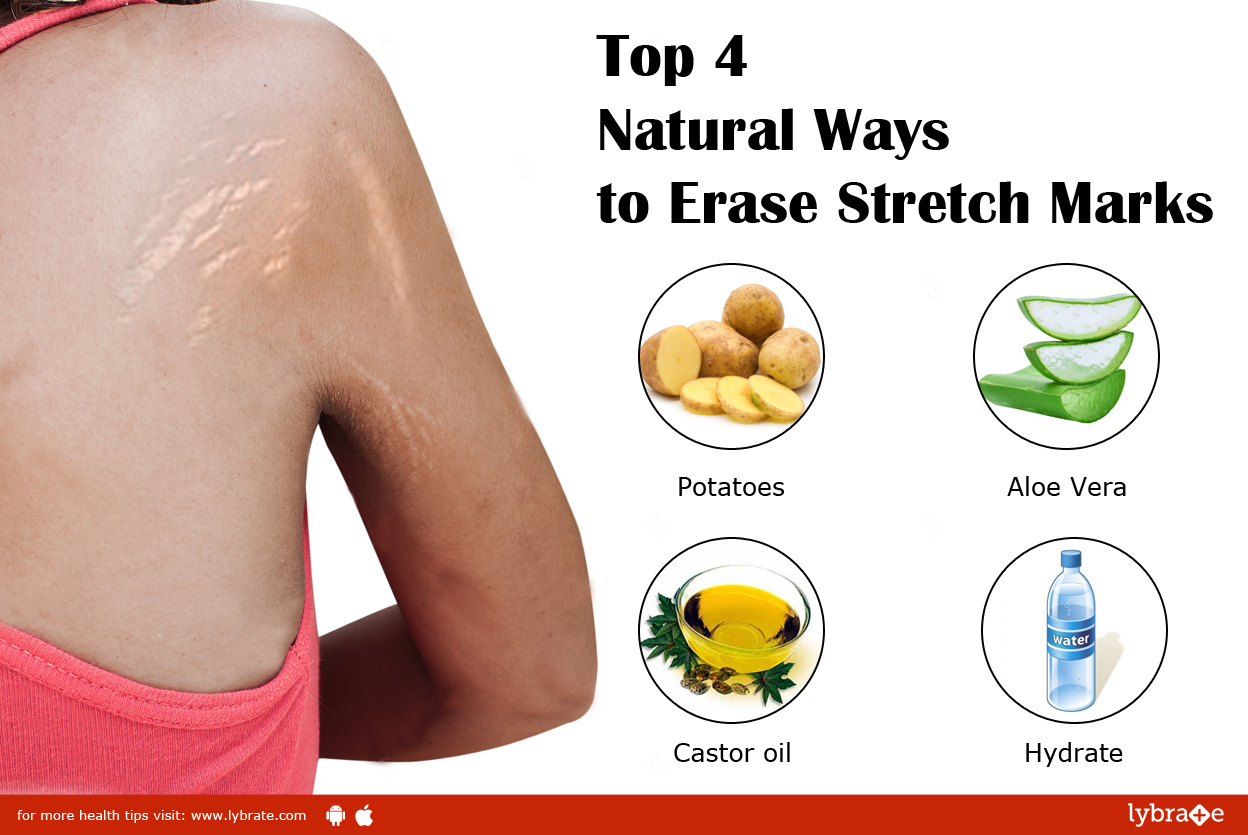
Fresh stretch marks can appear pink, red, or purple. Over time they may become white or brown. They commonly form on the abdomen, upper arms, and hips, but can show up anywhere the skin has been affected.
Hormonal changes and heredity can influence whether you develop stretch marks. These scars often appear after:
- a growth spurt during puberty
- substantial muscle gain from weightlifting
- pregnancy
- notable weight loss or gain
Stretch marks are permanent, though they usually fade on their own. Treating them early can make them less conspicuous. There’s no proven way to fully prevent stretch marks, but keeping expanding skin well-hydrated is sensible.
What is castor oil?
Castor oil is a vegetable oil obtained from the Ricinus communis plant. The oil is pressed from the plant’s seeds and then heated and processed for commercial purposes. Castor oil is used in many beauty products for its anticaking, cleansing, and emulsifying properties, and it’s prized for its moisturizing qualities.
Castor oil benefits for skin
Castor oil is high in monounsaturated fat, a type of “healthy” fat. In fact, about 90 percent of castor oil consists of ricinoleic acid, a monounsaturated fatty acid. For the skin, this fatty acid helps retain moisture and delivers conditioning benefits. That can stop stretch marks from drying and becoming more noticeable.
Antioxidant effects may also be present, helping to shield the skin from free-radical damage.
Other skin-related uses for castor oil include managing:
- acne
- age spots
- dryness
- ringworm
- sunburn
- wrinkles
How to use castor oil for stretch marks
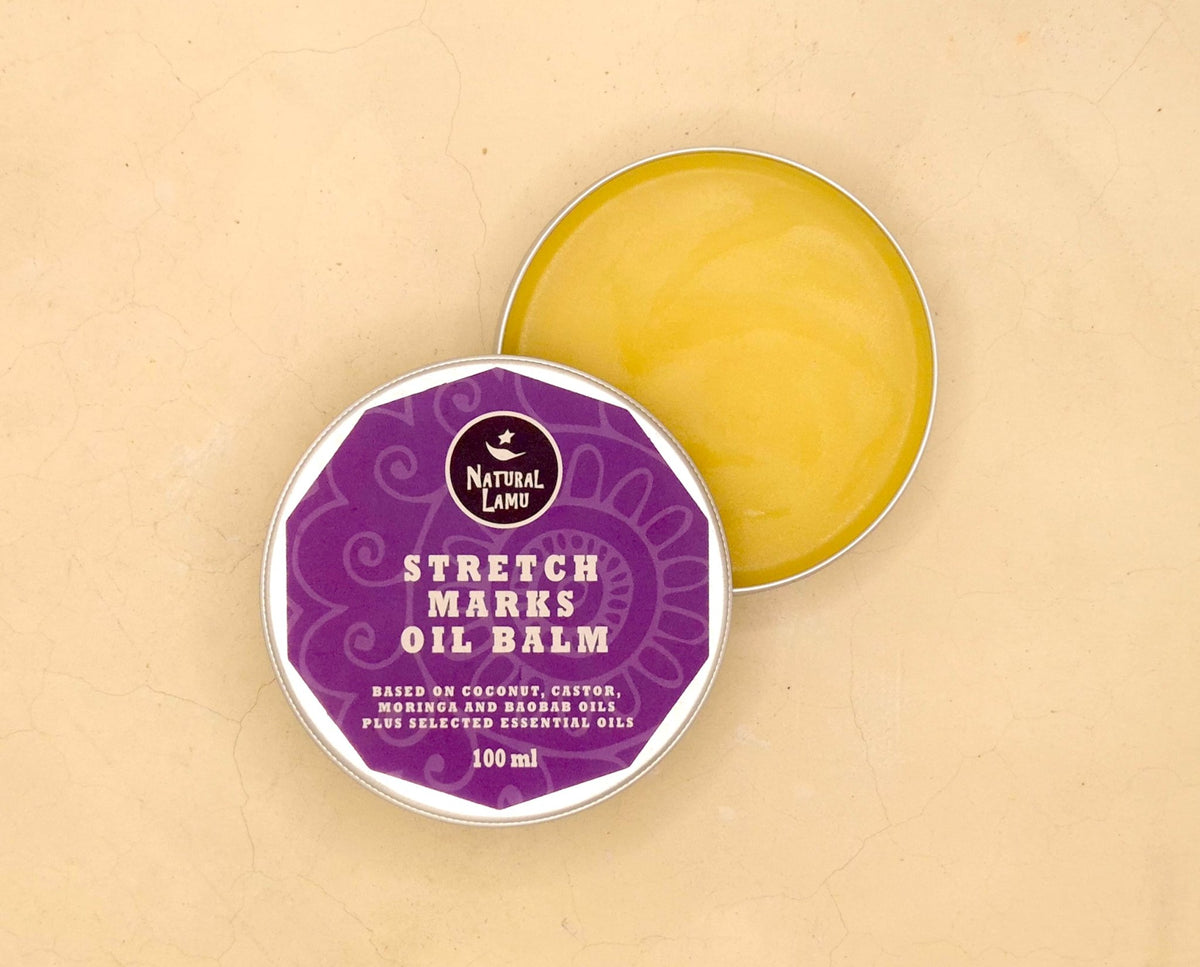
To address stretch marks, apply castor oil morning and evening. Gently rub a generous amount of the oil into the affected areas. The main advantage is intense moisturization, which soothes itching and prevents stretch marks from becoming overly dry. Keeping these scars hydrated makes them less apparent as they fade.
Rubbing the oil in with a massage rather than simply spreading it on the surface boosts its effectiveness. The massage action supports better healing of stretch-marked skin.
Is there research to support using castor oil for stretch marks?
Massage is an established approach for treating stretch marks, but direct research on castor oil is limited.
An article on castor oil in the International Journal of Science and Research describes the oil as useful for various skin issues, including stretch marks. However, the paper doesn’t explain precisely how the oil works. It’s generally presumed the oil’s deep-moisturizing components aid in healing rather than preventing stretch marks outright.
The Moffitt Cancer Center notes that massaging scars like stretch marks softens and flattens scar tissue while increasing hydration to the area. This kind of massage is most beneficial within the first two years when scar tissue is still changing.
One study showed that a cream combining water and argan oil improved skin elasticity in 22 participants, observable in the epidermis by ultrasound. Findings like this suggest the potential for other oils, including castor oil, to offer similar benefits.
Studies on many oils, salves, and creams indicate that currently no topical agent has proven superior for preventing or diminishing stretch marks.
Things to know before using castor oil for stretch marks
Castor seeds naturally contain a toxic compound called ricin, which can be dangerous. After processing, however, the oil no longer contains ricin and is generally safe for use.
You may worry that as an oil, castor oil could clog pores. Unlike some mineral oils, castor oil is less likely to trigger breakouts. Its fatty acids have antimicrobial properties that may even help prevent acne.
Castor oil is regarded as safe for most users, but a small risk of sensitivity or allergic reaction exists, particularly for those with reactive skin or certain skin conditions. Before applying it broadly, test the oil on a small area, like the inside of your forearm. If there’s no reaction within 48 hours, it should be safe to use on a larger area.
What else can I do for stretch marks?
Castor oil is one option among many for addressing stretch marks. Other alternatives include:
- argan oil
- chemical peels
- cocoa butter
- coconut oil
- hyaluronic acid
- dermatologist-administered laser therapy
- microdermabrasion
- retinoids (use caution — avoid during pregnancy or breastfeeding)
- vitamin E oil
For those exploring natural choices, consider also researching essential oils for stretch marks which some people find helpful. If you have other related concerns, resources like castor oil packs for endometriosis discuss different therapeutic uses of castor oil in other contexts.
Give it time
Castor oil appears promising as a home remedy for stretch marks but isn’t guaranteed to work. Like many natural remedies, it may be more effective on newer stretch marks. If you choose to try castor oil, be patient — the American Academy of Dermatology suggests allowing several weeks to assess results.





















Leave a Reply
You must be logged in to post a comment.