

Hydrogen peroxide has antimicrobial qualities that may provide several potential advantages when used as a gargle. However, it can also pose hazards if not used properly.
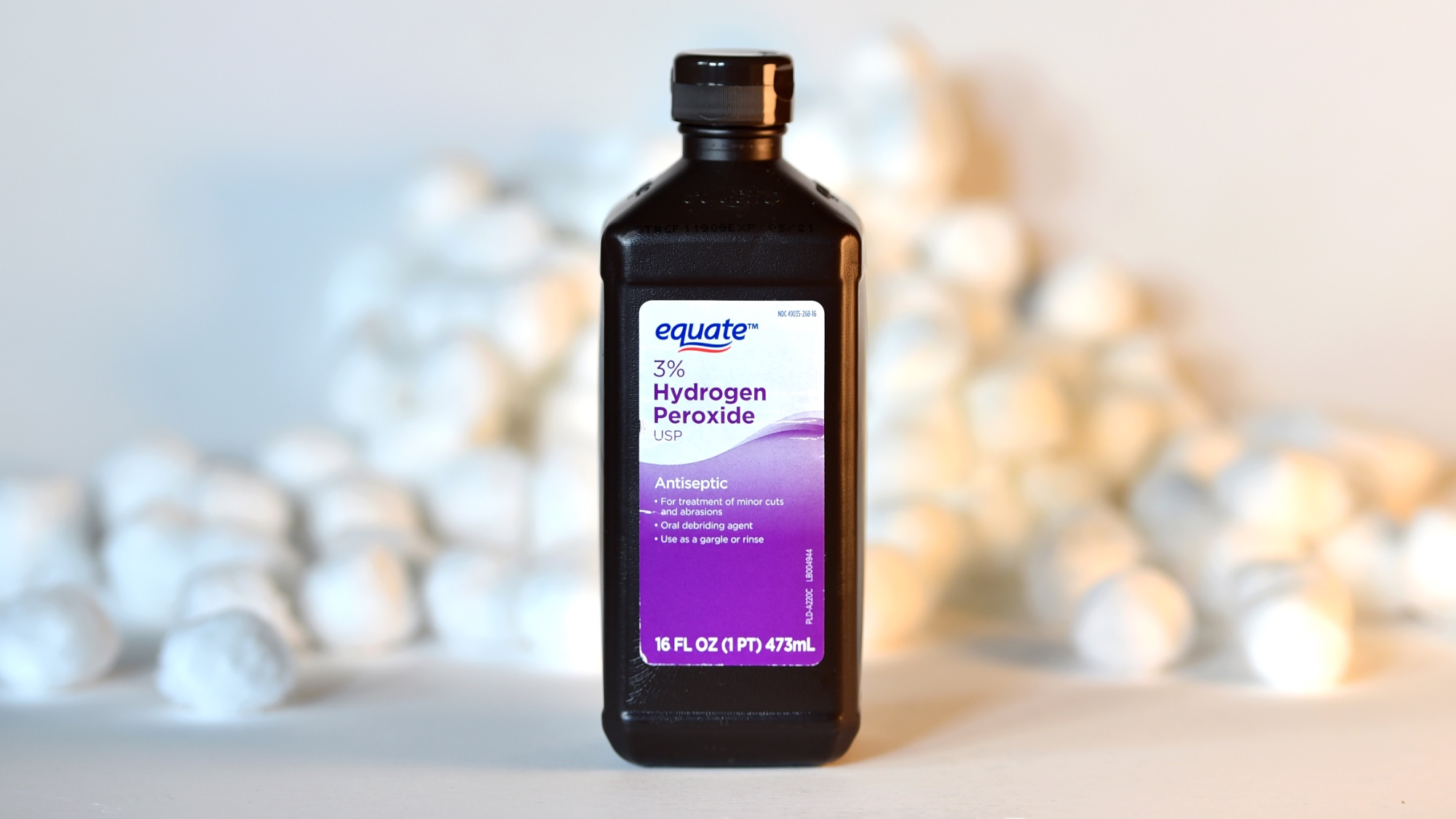
Hydrogen peroxide is a liquid chemical composed of hydrogen and oxygen. It’s commonly sold at pharmacies and used for tasks ranging from disinfecting cuts to cleaning bathroom surfaces.
Some people report using it as a mouth gargle to relieve sore throats, brighten teeth, and reduce gum swelling. That said, it’s essential to use it carefully to minimize risks and adverse effects.
Continue reading to find out how to gargle hydrogen peroxide safely and whether it actually helps.
How to gargle hydrogen peroxide
The crucial point when gargling hydrogen peroxide is to avoid swallowing any of it. This applies no matter what concentration you start with.
To try a hydrogen peroxide gargle, use these steps:
- Begin with a 3% solution — the common strength found in the brown bottles at drugstores. Mix one part hydrogen peroxide with one part water. This dilutes it to about 1.5%, which is the most frequently suggested concentration.
- Lean your head back and take a small mouthful of the hydrogen peroxide-water blend. Gargle and swish it around your mouth for 30 to 60 seconds.
- Spit the mixture out after gargling. Do not gargle for longer than 90 seconds.
Health benefits of gargling hydrogen peroxide
Relieve a sore throat
Gargling hydrogen peroxide may ease a sore throat in a few ways. It has antibacterial action and may assist your body in combating infections that commonly cause throat pain.
Also, when mucus in your mouth meets hydrogen peroxide, it foams. That foam reduces the mucus’s stickiness and helps it drain. It can also loosen mucus in the throat that contributes to irritation and discomfort.
Young children and those who struggle to gargle without swallowing can try warm salt water for similar relief. To gargle with salt water, follow these steps:
- Mix one cup of warm water with ½ to ¾ teaspoon of salt.
- Swish the salt water around your mouth for about 60 seconds.
- Spit the solution out after gargling.
Support oral health
Hydrogen peroxide is an effective disinfectant, so it may help prevent minor oral wounds and canker sores from becoming infected.
Research also suggests it may aid in whitening teeth and cutting down on halitosis (bad breath). See this study for more details.
Are there any risks?
Swallowing undiluted hydrogen peroxide can damage internal tissues and lead to internal bleeding. While a 3% solution is generally regarded as safe, ingesting it in large amounts can still be harmful.
After gargling hydrogen peroxide, you may notice some gum redness or irritation inside your mouth. This irritation typically resolves within a few hours.
Seek medical attention right away if redness or irritation persists, or if you begin vomiting or feel faint and weak.
The bottom line
Gargling hydrogen peroxide might help relieve a sore throat, sanitize your mouth, and whiten teeth.
Always dilute it first and avoid swallowing any of the mixture. If you ingest too much or feel unwell, contact a healthcare professional.


















Leave a Reply
You must be logged in to post a comment.