
Red Bull can boost energy and enhance alertness, but some individuals may experience adverse effects like a faster heart rate, impulsivity, and elevated risk for certain health problems.
As one of the world’s top-selling energy beverages, Red Bull is widely consumed. Still, despite its popularity there are concerns about possible side effects, particularly when combined with alcoholic drinks.
It is also high in sugar and low in beneficial nutrients, so for some people, coffee or tea might be a better option.
This article examines the potential adverse effects of Red Bull and whether consuming too much could become life threatening.
What is Red Bull?
Introduced in 1987 in Austria, Red Bull is a carbonated beverage that contains caffeine and other energizing compounds, including several B vitamins and taurine.
The formula varies by market, but Red Bull and similar energy drinks may also contain sugar, artificial colors and flavors, carbonated water, and legal stimulants such as guarana and L-carnitine.
A 12-ounce (355-ml) can contains:
- Calories: 160
- Protein: 0.99 grams (g)
- Fat: 0 g
- Carbs: 40.1 g
- Sugar: 38 g
- Sodium: 99.4 milligrams (mg)
It also provides certain B vitamins such as niacin (B3), B6, and B12.
There are sugar-free varieties, like Red Bull Zero and Red Bull Sugarfree, which use artificial sweeteners such as sucralose and acesulfame K instead of sugar.
Although the ingredients in Red Bull can offer a short-term energy lift, they may also produce both short- and long-term side effects, particularly with higher intake.
Possible side effects of drinking Red Bull
Despite its widespread use, studies indicate Red Bull may impact health in several ways.
Raised blood pressure and heart rate
Heart rate and blood pressure are key indicators of cardiovascular health. As heart rate climbs, diastolic blood pressure can also rise.
Chronic high blood pressure is linked to a greater risk of conditions such as heart disease, stroke, and myocardial infarction.
A 2020 review reports mixed results regarding Red Bull’s impact on heart rate and blood pressure. Some research found no meaningful change after consuming Red Bull.
Other studies suggest notable increases in both measures, especially compared to drinking plain water.
A small 2023 study of 30 young women observed a reduction in heart rate and a slight rise in blood pressure after Red Bull intake, but the authors stress further study is needed.
Changes in heart rate and blood pressure are likely related to the caffeine and stimulant components of Red Bull contained within it.
Moderate, occasional consumption is unlikely to cause severe cardiac issues in otherwise healthy adults.
However, individuals with pre-existing hypertension or heart conditions should consider consulting a healthcare provider before drinking Red Bull.
Higher risk of type 2 diabetes
Evidence links sugar-sweetened beverages to an increased risk of type 2 diabetes.
Since a 12-ounce (355-ml) serving of Red Bull contains 38 g of sugar, regular or excessive consumption could raise your risk of developing type 2 diabetes.
Damage to teeth
Research shows that frequent intake of acidic, carbonated drinks can erode tooth enamel, the hard outer layer that shields teeth from decay.
Red Bull is acidic, and habitual consumption may erode enamel.
A 2021 laboratory study compared four acidic beverages — Red Bull, TNT Energy Drink, Monster, and Coca-Cola — for effects on dental enamel.
Each drink caused enamel loss; TNT Energy Drink showed the greatest erosion, with Red Bull following closely behind.
Negative effects on liver and kidney health
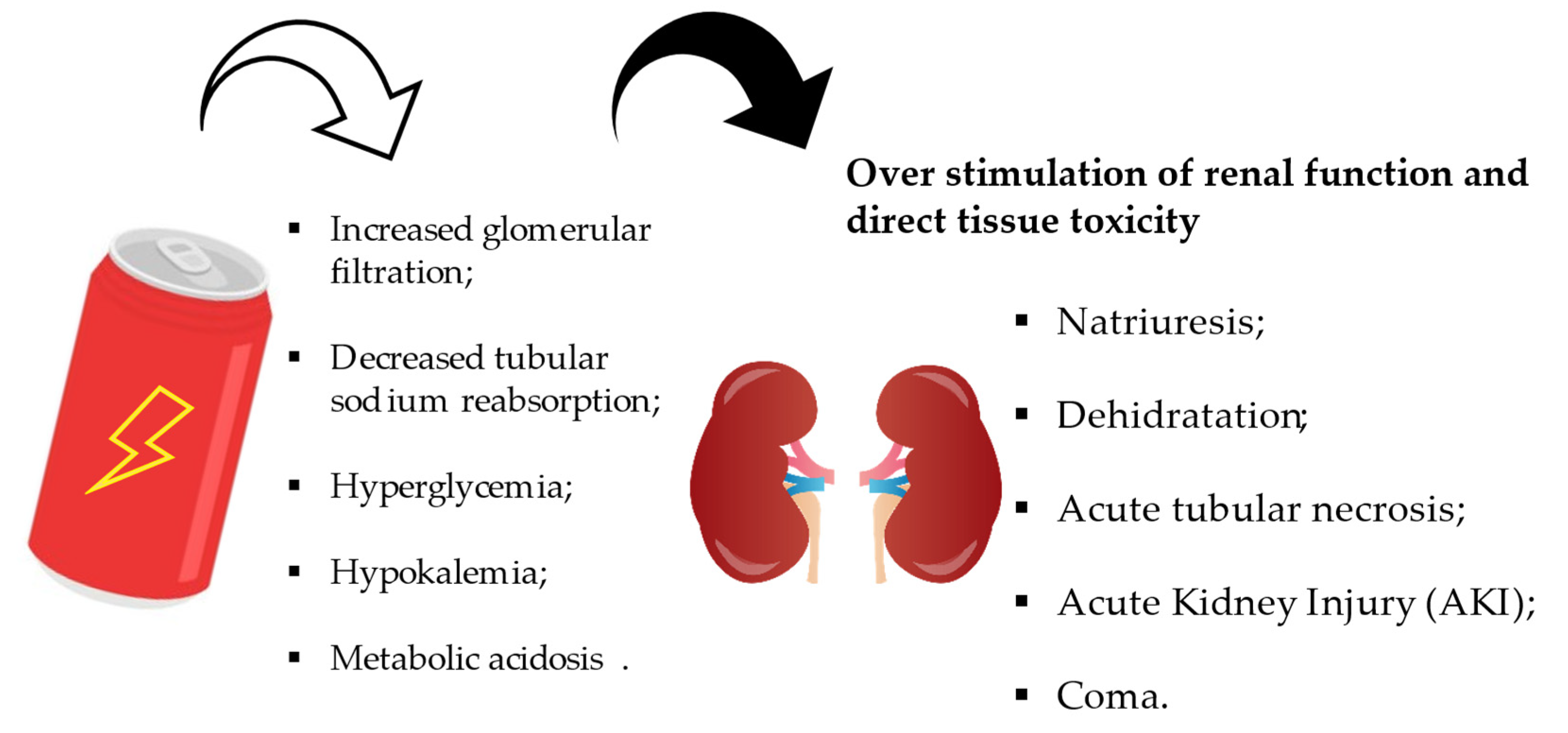
Occasional Red Bull consumption is unlikely to seriously affect kidney function, but evidence suggests chronic, high intake might.
A 2023 review connects liver toxicity to large doses of niacin (vitamin B3), which is present in Red Bull.
The review also notes that taurine in energy drinks may play a role in acute kidney injury.
Increased impulsive and risk-taking behavior
Studies indicate an association between energy drink consumption and greater risk-taking tendencies, particularly among children and adolescents. These effects can intensify when mixed with alcohol.
A 2018 animal study suggests Red Bull consumption may lead to increased alcohol intake and higher blood alcohol levels.
Alcohol can also enhance the stimulant effects of energy drinks, which may reduce perceived intoxication and contribute to impulsive behaviors.
Not everyone who drinks Red Bull will undergo behavioral changes, but it’s important to recognize the potential risks, especially for younger people and when alcohol is involved.
Caffeine overdose and potential toxicity
Safe caffeine levels differ among individuals, but the U.S. Food and Drug Administration (FDA) recommends keeping caffeine intake to 400 mg per day or less for most adults.
A 12-ounce (355-ml) can of Red Bull contains about 111 mg of caffeine, so consuming more than four cans daily could increase the risk of caffeine overdose.
The typical half-life of caffeine in healthy adults is 4–5 hours, meaning it can take this long for blood caffeine levels to fall by half. This variability makes it hard to determine precisely how much Red Bull would lead to toxicity.
Children and adolescents are more susceptible to caffeine’s adverse effects. The FDA notes they may experience symptoms like heart palpitations, sleep disruption, dehydration, and other issues.
Current guidance recommends limiting caffeine to 100 mg or less per day for adolescents aged 12–19. Having more than one 12-ounce (355-ml) Red Bull could push them past that threshold.
Signs of caffeine overdose and toxicity can include:
- nausea
- vomiting
- hallucinations
- anxiety
- rapid heartbeat
- dizziness
- difficulty sleeping
- seizures
Is sugar-free Red Bull any safer?
Sugar-free Red Bull contains fewer calories and no sugar but has a comparable caffeine level to the regular version, so it likely carries similar potential side effects.
Although it lacks sugar, regular consumption of sugar-free Red Bull could still be associated with a higher risk of type 2 diabetes due to its artificial sweeteners.
Indeed, research links routine intake of artificial sweeteners with increased type 2 diabetes risk and notes they come with their own possible safety concerns.
Can excessive Red Bull consumption be fatal?
Though uncommon, studies have connected very high consumption of Red Bull and similar energy drinks to cardiac problems and death. It’s possible such fatalities are underreported.
Many variables influence how much caffeine becomes dangerous and potentially deadly.
Life-threatening cardiac events may be more likely when energy drinks are mixed with alcohol. Labels may not always disclose all sources of stimulants, complicating efforts to track total caffeine intake.
Energy drinks can provoke changes in heart rhythm; certain arrhythmias may precipitate cardiac incidents that result in death.
Further research is needed to clarify how the combination of ingredients in Red Bull affects risks for heart attack and other serious outcomes.
Therefore, pregnant people, children, those with cardiovascular conditions, and caffeine-sensitive individuals may be advised to avoid Red Bull or consult a healthcare provider before consuming it.
The bottom line
Red Bull is a caffeinated, sugar-containing energy drink. Frequent or excessive use may cause serious — and potentially life-threatening — side effects, particularly when combined with alcohol.
Given its high sugar content and limited nutritional value, alternatives such as coffee or tea might be preferable for boosting alertness.
Pregnant people, children, individuals with heart disease, and those sensitive to caffeine should avoid Red Bull or speak with their doctor before consuming it.























Leave a Reply
You must be logged in to post a comment.