

Sallow skin describes a complexion that has lost its healthy glow. It can arise from various health issues, including anemia or deficiencies in essential vitamins.
While aging brings about increased dryness, fine lines, and thinning, sallow skin is not simply a sign of getting older — it usually has identifiable external or medical triggers. With sallow skin, your complexion may take on a yellowish or brownish cast, especially noticeable on the face and varying with natural skin tone.
Below is a look at potential causes of sallow skin and practical steps you can take to help restore a healthier appearance.
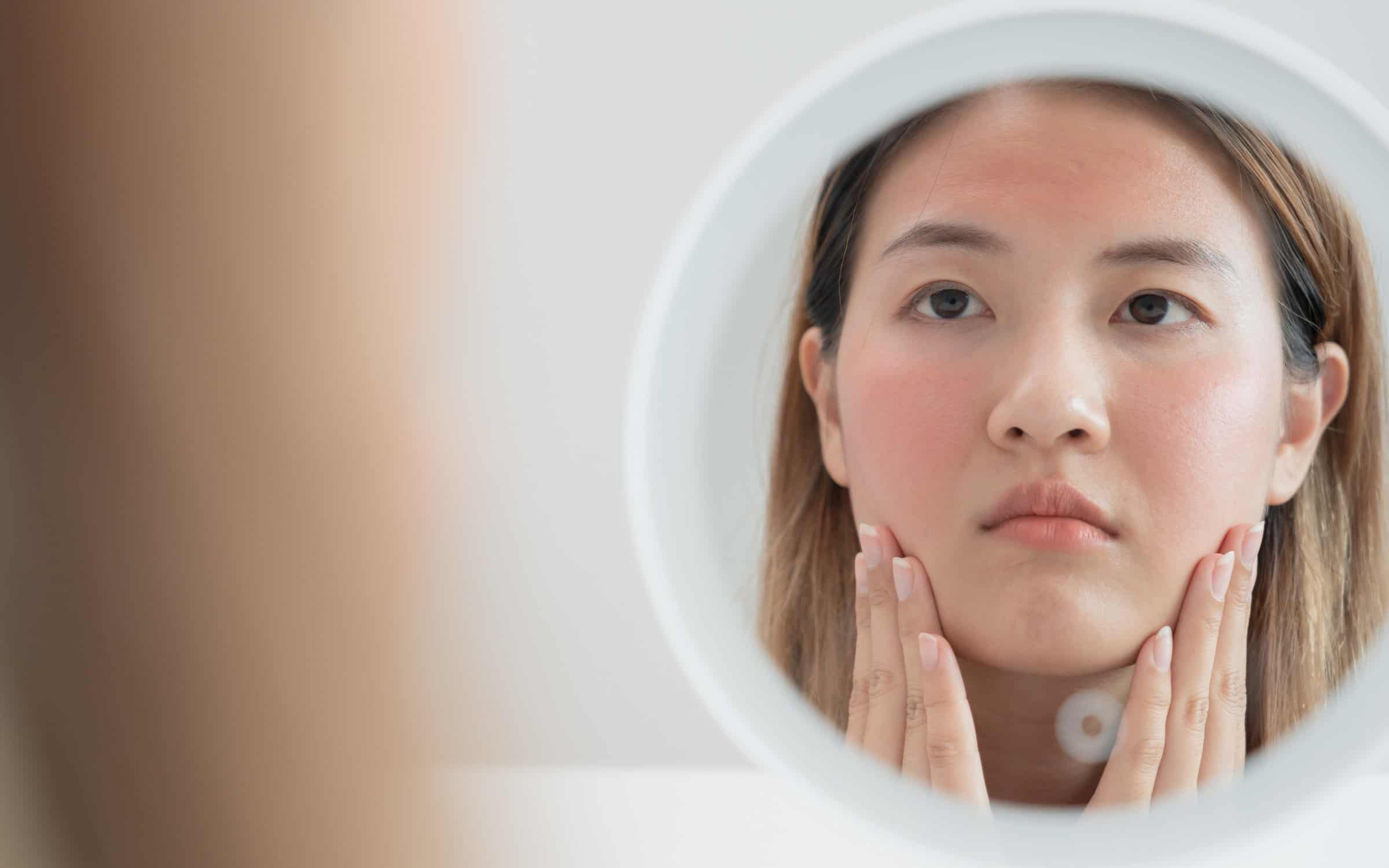
What does sallow skin look like?
Skin consists of two primary layers: the dermis and the epidermis.
The dermis is the deeper layer and provides structural support, elasticity, and strength to the skin.
The epidermis is the outermost layer, continually renewing itself by shedding old cells and generating new ones — a cycle that typically spans about a month.
Once you begin appropriate treatment, expect to wait roughly one to two months before noticing visible improvement in sallow skin as the skin completes its renewal cycle.
1. Anemia
Anemia develops when red blood cells are insufficient to deliver adequate oxygen throughout the body. Low oxygen levels often result in fatigue and lethargy, and they can also cause the skin to look pale or take on a yellowish tinge.
Acute cases of anemia often improve by increasing dietary iron and vitamin B12. If diet alone isn’t enough, a physician may recommend supplements.
Chronic anemia is more concerning because it often signals an underlying disease, such as kidney disorders or autoimmune conditions.
In those situations, treatment focuses on the root illness. Once the underlying problem is managed, anemia-related symptoms — including sallow skin — typically subside.
2. Vitamin deficiency
When you think about healthy eating, you might focus on weight control, but your diet also shows up in the state of your skin.
A diet lacking in nutrient-dense foods can leave your skin looking sallow over time since skin cells aren’t receiving the vitamins and minerals they need to remain vibrant.
Certain vitamins, such as vitamin C, are important for defending skin from environmental stressors like pollution.
Some common nutrient shortfalls that affect the skin include:
- vitamin A — present in orange produce like carrots and butternut squash
- vitamin B12 — found in meats and fortified cereals
- vitamin C — abundant in plant foods such as citrus fruits and broccoli
- vitamin E — available in nuts and vegetable oils
- vitamin K — found in berries and dark leafy greens
The most effective way to address vitamin shortages is to eat a varied diet, ideally rich in plant-based foods. If your complexion remains sallow after several weeks, consult your doctor about whether vitamin supplements might help.
3. Smoking
Smoking harms skin health by speeding up aging. Tobacco damages collagen, the protein responsible for firm, elastic skin.
It also restricts oxygen delivery to the skin, which can dry it out. Over time, smoking contributes to a dull, sallow, and wrinkled appearance.
Nicotine replacement products can assist in quitting gradually; many over-the-counter options step down nicotine levels so you don’t have to stop abruptly.
Still, the American Academy of Dermatology (AAD) advises complete avoidance of tobacco products. After quitting, you should see an improvement in skin tone and overall complexion.
4. Dehydration
Water is crucial for maintaining hydration throughout the body, including the skin. There’s ongoing debate about how much extra drinking affects skin hydration versus applying moisturizers that lock moisture into the skin’s surface.
Researchers have not reached a consensus on whether increasing water intake beyond normal levels improves skin hydration.
So while staying well-hydrated is important, drinking large amounts of water may not add benefit if you’re already adequately hydrated. A practical guideline is to aim for about eight glasses of water daily.
Remember not all drinks affect your skin equally. Caffeinated beverages like coffee can have a mild dehydrating effect, and alcohol is especially drying, which can make skin look parched and sallow over time.
5. Stress
Stress impacts the body in numerous ways, from raising blood pressure and contributing to weight gain to causing dry and sallow skin. As the body’s largest organ, skin often reflects stress before other areas do.
Chronic stress is particularly harmful because of the effects of cortisol, a hormone that can damage skin health over time.
For both your skin and your overall well-being, managing stress is essential. You might reduce stress by:
- meditating daily, even for just five minutes
- exercising regularly
- keeping connections with friends and family
- delegating responsibilities when possible
6. Lack of sleep
An occasional night of poor sleep won’t necessarily cause sallow skin, but persistent sleep deprivation does. Without sufficient rest, skin doesn’t receive the time it needs to repair and replenish, which can lead to a dull, sallow look.
Aim for seven to nine hours of sleep per night for optimal health and clearer-looking skin.
If you struggle to get that much sleep, try these strategies to improve rest:
- Keep a consistent bedtime and wake-up time every day, including weekends.
- Turn off electronic devices an hour or two before bed.
- Do a relaxing pre-bedtime routine such as a warm bath, meditation, or reading.
- Avoid heavy meals late in the evening.
- Cut back on caffeine and avoid coffee or caffeinated tea after midday.
7. Poor skin care
Neglecting proper skin care can contribute to a sallow complexion. Some effects accumulate over time, like repeated sun exposure, while other issues can be seen relatively quickly.
To prevent or improve sallow skin, consider adding these daily skin care practices:
Wash your face twice daily. You may also need to cleanse after exercising. Regular washing removes dirt, oil, bacteria, makeup, and pollution. A creamy or gel cleanser is often best because it’s less likely to irritate the skin with frequent use.
Use a moisturizer afterwards. Moisturizer acts as a barrier to hold water in the skin, helping it look plumper and less sallow. Match the product to your skin type: richer creams for dry skin, lighter lotions for combination or oily skin.
Exfoliate weekly. Gentle exfoliation speeds up cell turnover and gives skin a brighter, more radiant appearance with immediate, noticeable effects.
Wear sunscreen every day. The AAD suggests using a sunscreen with at least SPF 30.
Pick makeup that’s skin-friendly. Not all cosmetics are alike. Look for oil-free, noncomedogenic formulas that won’t clog pores or cause buildup of dead skin cells. Makeup with added vitamins like A and C can also enhance radiance.
When to see your doctor
Improving sallow skin takes time; you’ll typically notice benefits within 4 to 8 weeks as skin cells complete their turnover cycle.
If your complexion hasn’t improved after a month or two, consult your healthcare provider or a dermatologist. They can evaluate you for underlying conditions and recommend appropriate next steps.
For related skin concerns, you may find helpful information on topics like gaunt face, yellow feet, and xerosis.


















Leave a Reply
You must be logged in to post a comment.