

A variety of things can make your thumb twitch, ranging from insufficient sleep to immune system disorders. If the twitching persists for several days or appears alongside other concerning signs, seek medical attention.
Thumb twitching — often termed a tremor — occurs when the muscles in your thumb contract without your intent, producing noticeable jerks. These twitches arise when nerves that connect to those muscles become active and trigger involuntary contractions.
In most cases, thumb twitching is temporary and seldom signals a serious illness.
If thumb twitching interferes with daily tasks, consult a healthcare provider to pinpoint the cause.
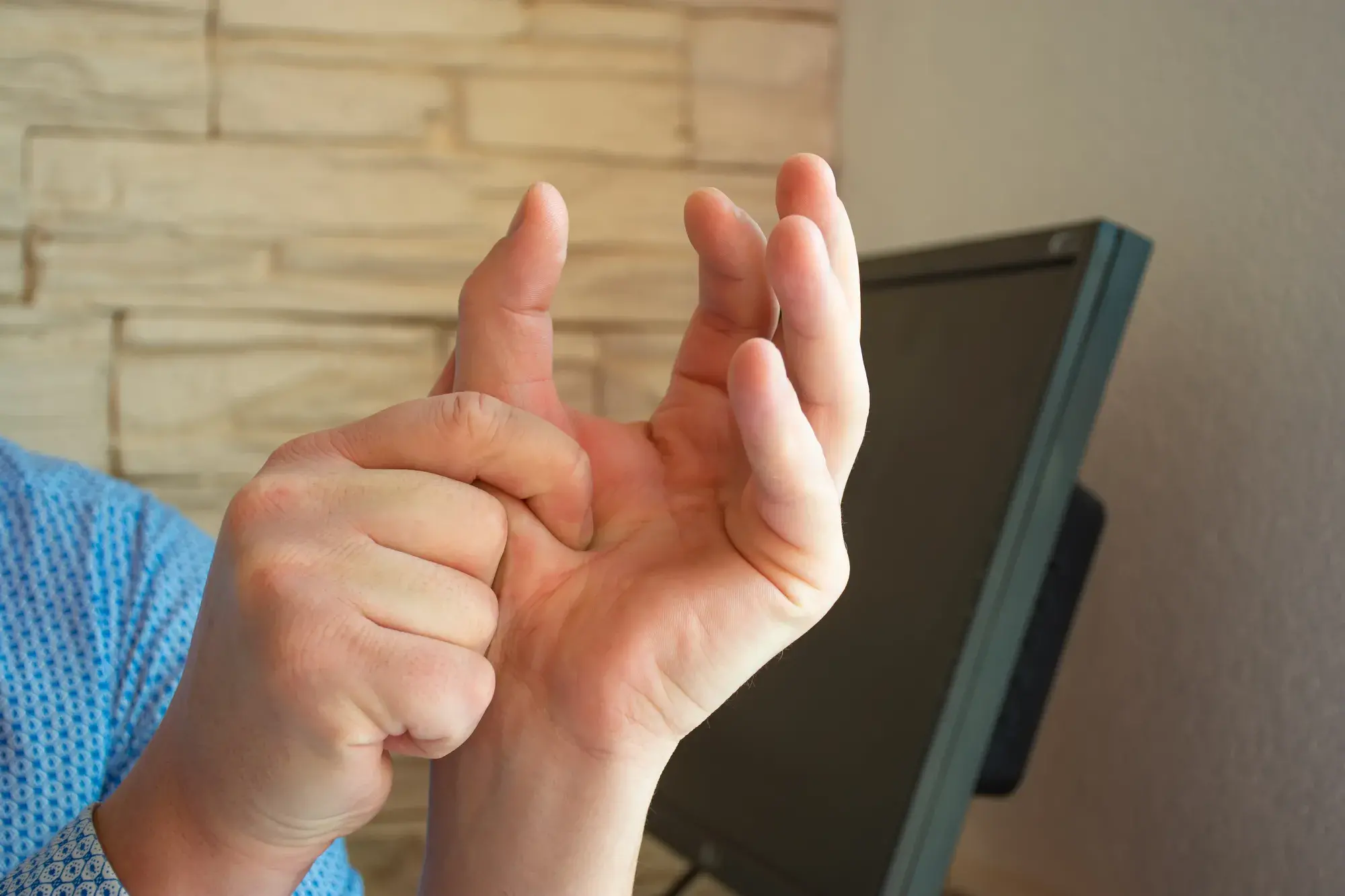
Common causes of thumb twitching
Some triggers for thumb twitching relate to lifestyle choices like exercise and diet, while others stem from disorders that impact the nervous system.
Autoimmune conditions
Certain autoimmune disorders can make nerves activate muscles without control. A rare example featuring this symptom is Isaacs’ syndrome.
Cramp-fasciculation syndrome (CFS)
This uncommon muscular disorder, also called benign fasciculation syndrome, leads to twitching and cramping due to overactive nerves.
Stimulant overdose
Using stimulants can provoke muscle twitches. An overdose can involve substances that are usually harmless in small amounts — such as caffeine or energy drinks — as well as dangerous stimulants like amphetamines or cocaine.
Sleep deprivation
Insufficient sleep can allow certain neurotransmitters to accumulate in nerve pathways, which may result in thumb twitching.
Medication side effects
Some drugs may produce thumb twitching as an adverse effect. Examples include diuretics used for urinary problems, corticosteroids, and estrogen therapy.
Exercise
After exercising — particularly intense activities like sprinting or heavy lifting — your muscles may twitch.
This can occur when the body lacks enough oxygen to convert a metabolic byproduct called lactate into usable energy. Excess lactate accumulates in muscles and, when mobilized, can provoke contractions.
Nutritional shortages
Deficiencies in certain vitamins and minerals, such as vitamin B12 or magnesium, may cause your thumb to twitch.
Stress
Stress ranks among the top causes of thumb twitching. Muscle tension from stress can set off contractions throughout the body.
Metabolic and medical disorders
Problems that interfere with your body’s energy metabolism can affect muscle function.
Such metabolic issues may include poor potassium absorption, kidney disease, and uremia (elevated urea levels in the bloodstream).
Benign twitching
Your thumb can twitch spontaneously at any time. Anxiety and stress may bring about harmless twitches in the thumbs, calves, or eyelids. These benign twitches are usually brief and occur irregularly.
Prolonged electronics use
Extended use of your thumbs on smartphones or other devices can lead to fatigue, strain, or stress in the thumb muscles. Repetitive typing or button pressing without adequate breaks can trigger twitching.
Central nervous system causes
Thumb twitching can also signal disorders of the central nervous system:
- Amyotrophic lateral sclerosis (ALS).ALS affects motor neurons — the cells that relay signals from your brain to muscles — which gradually weaken and die.
- Parkinson’s disease.One early sign of Parkinson’s can be tremors in the hands; the disease involves progressive loss of neurons in the brain.
- Nerve damage (neuropathy).Neuropathy results from injured nerves due to trauma, repetitive motion, or conditions like diabetes and kidney disease that allow toxins to accumulate. Peripheral neuropathy is common, affecting more than 20 million people in the U.S.
- Spinal muscular atrophy.This inherited disorder causes progressive loss of motor neurons.
- Muscle disease (myopathy).Myopathy arises when muscle fibers don’t work normally. The most prevalent form involves inflammation and weakness, such as myositis.
Signs of nervous system disorders
Typical symptoms can include:
- headaches
- tingling in the hands, feet, or other extremities
- altered sensations, like numbness
- difficulty walking
- loss of muscle bulk
- weakness
- double vision or vision impairment
- memory problems
- muscle stiffness
- slurred speech
Treatment for thumb twitching
Benign thumb twitching generally doesn’t require treatment and will resolve on its own, though episodes can last several days.
If an underlying disease is causing the twitching, targeted treatment may be necessary. Potential approaches include:
- Regularly stretching the muscles in your hand to prevent cramping.
- Engaging in calming activities such as massage to reduce stress.
- Using prescription medications, including anticonvulsants or beta-blockers.
- For nerve injuries, surgical options may be indicated, including nerve grafts, repairs, transfers, or neurolysis to remove scar tissue from a nerve.
When to contact a doctor
See your physician if the twitching:
- persists beyond a couple of weeks
- impairs everyday tasks like writing or typing
Also seek medical care if you notice signs of a central nervous system disorder.
Diagnostic tests to uncover causes — such as nutrient deficiencies, spinal injury, brain tumor, or other serious issues — may include:
- blood tests
- magnetic resonance imaging (MRI) of the brain or spine
- X-rays to visualize structures
- urinalysis to detect minerals, toxins, or other substances
- nerve conduction studies to evaluate nerve function
Prevention
You can take steps to lower the risk of some triggers for thumb twitching:
- Avoid triggers.If caffeine, sugar, or alcohol provoke twitching, cut back or eliminate them.
- Manage stress.Mindfulness, breathing techniques, and meditation can help reduce stress-related twitching.
- Limit screen time.Reduce prolonged repetitive thumb movements on devices and take frequent breaks.
- Prioritize sleep.Aim for seven to eight hours of quality sleep each night.
- Maintain a balanced diet.Stay hydrated (about 64 ounces of water daily) and ensure adequate intake of vitamins such as B-6, B-12, C, and D.
Bottom line
Most thumb twitches are harmless and will subside on their own.
If twitching is continuous or accompanied by other worrying symptoms, seek medical evaluation to identify any underlying conditions responsible for the muscle contractions. For related minor facial or facial muscle concerns, you can also read about eyebrow twitching.




















Leave a Reply
You must be logged in to post a comment.