
Despite common misconceptions, you don’t need a penis to ejaculate — you just need a urethra. The urethra is the channel through which urine leaves your body.
Female ejaculation happens when fluid — not necessarily urine — is ejected through the urethral opening during sexual arousal or orgasm.
This secretion is distinct from cervical mucus that moistens your vagina when you’re aroused or otherwise “wet.”
1. What is female ejaculation?
Although you may have heard otherwise, ejaculation isn’t limited to people with penises. It’s possible if you have a urethra.
Ejaculation refers to the emission of fluid from the urethra during sexual excitement or climax. That fluid is not the same as the vaginal lubrication produced by cervical secretions.
2. Is female ejaculation the same as squirting?
Many people use these words interchangeably, but they describe different events.
Squirting refers to the release of a large volume of fluid and is commonly depicted in adult media.
The liquid released when someone squirts is largely diluted urine, sometimes mixed with traces of ejaculate. It originates from the bladder and exits through the urethra — the same route as urination, only in a sexual context.
3. Is female ejaculation common?
More common than you might expect.
Pinning down exact figures is tricky due to the intimate nature of the subject. Small-scale studies and surveys give a glimpse of how varied female ejaculation experiences can be.
A 2022 literature review examined available research on both female ejaculation and squirting.
The authors pointed out that until about 2011, many studies used “female ejaculation” to describe any fluid emitted during orgasm, conflating true ejaculation with:
- squirting
- vaginal lubrication
- coital incontinence
They adopted the umbrella label “ejaculation orgasm” to encompass these varied sensations. Estimates for ejaculation orgasm prevalence range from 4.6% to 54%, while squirting prevalence may be roughly 5%.
4. What exactly is female ejaculate?
For some people, female ejaculate is a viscous, whitish fluid that looks like very thin milk. A 2013 survey reported that most participants described the fluid as “usually clear as water.”
Female ejaculate shares some constituents with semen, including enzymes such as prostate-specific antigen and prostatic acid phosphatase.
It also carries small traces of creatinine and urea — the main components of urine.
5. Where does the fluid come from in female ejaculation?
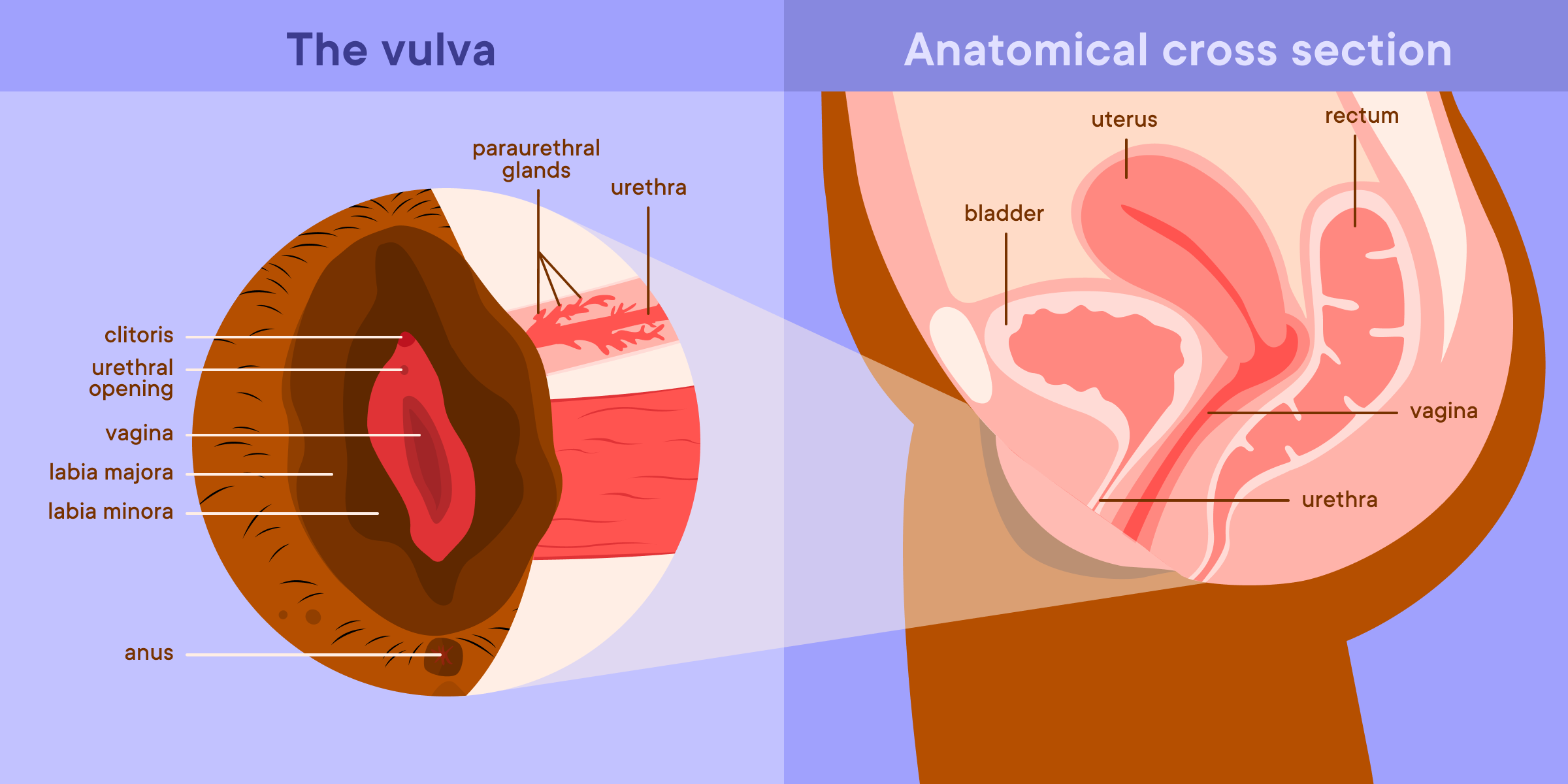
The fluid is produced by the Skene’s glands, sometimes called the “female prostate.”
These paired glands lie on the anterior vaginal wall, surrounding the urethra, and have openings that can discharge ejaculate.
Although gynecologist Alexander Skene described these glands in detail in 1880, recognition of their similarity to the prostate is a more recent development, and research continues.
6. Does female ejaculation have any benefits?
The aforementioned 2013 survey found that 78.8% of women and 90% of their partners reported that female ejaculation improved their sex lives. The survey included 320 women from various countries.
Scientists are still unsure whether female ejaculation serves a clear biological purpose. An older 2009 study suggested that Skene’s glands might secrete antimicrobial substances into the urethra, potentially lowering the risk of urinary tract infections.
7. Does female ejaculation influence your period or pregnancy?
There’s no clear evidence that female ejaculation impacts menstruation or pregnancy.
8. So female ejaculate isn’t urine?
Not exactly. Ejaculate is primarily composed of prostate-derived enzymes with only minor amounts of urea.
By contrast, the liquid released during squirting is largely diluted urine with a small proportion of ejaculatory material.
9. Wait — can it be urine?
Not wholly.
Ejaculate does contain traces of urea and creatinine, which are components found in urine.
That overlap doesn’t make ejaculate identical to urine; it just indicates some shared chemical features.
10. How much is released?
A 2014 reference noted that people often expel about 1 teaspoon of fluid during female ejaculation.
11. What does female ejaculation feel like?
Experiences vary between individuals.
Some people report no perceptible difference between an orgasm with or without ejaculation. Others describe a growing warmth and trembling sensation between the thighs.
Although true ejaculation is generally associated with orgasm, some experts believe it can occur independently of orgasm through targeted G-spot stimulation.
Levels of arousal, body position, and technique can influence the intensity and likelihood of ejaculation.
12. Does female ejaculate have a taste?
A 2014 source reported that ejaculate tastes sweet. This seems fitting given that ancient Indian texts once referred to it as “nectar of the gods.”
13. Or a smell?
It doesn’t have a urinous odor, if that’s your concern. In fact, ejaculate generally appears to be odorless.
14. Is there a link between female ejaculation and the G-Spot?
The evidence is still inconclusive.
Part of the difficulty is that the G-spot itself remains elusive. In a 2017 study, researchers sought the G-spot but couldn’t definitively identify it.
That’s because the G-spot isn’t a distinct “dot” inside the vagina; it’s part of the broader clitoral network.
Stimulating what’s popularly called the G-spot is actually stimulating a portion of the clitoris, and the precise location varies between people. A 2021 literature review argued that the term “spot” is misleading.
Still, the authors concluded that stimulation of this region might trigger female ejaculation or vaginally induced orgasm.
If you can locate and stimulate this area, you might experience ejaculation — or simply discover a powerful new type of orgasm.
15. Is it really possible to ejaculate on command?
It’s not automatic like riding a bike, but once you learn what techniques work for you, your odds improve significantly.
Getting to know what sensations you enjoy can make it easier to reach ejaculation when you want to.
16. How can I try?
Practice is key.
Self-pleasure is a great way to learn your body, though practicing with a partner is also fine — and sometimes a partner can access the G-spot more easily than you can yourself.
Consider a curved vibrator designed to reach the front vaginal wall. A wand-style toy can also help you and/or your partner reach areas that are hard to access with fingers alone.
Remember, it’s not only about the G-spot: effective clitoral and other vaginal stimulation can also lead to ejaculation.
Relax, savor the process, and experiment with different approaches until you discover what works.
The best sex toys
See our guide to some of the top sex toys available.
If you’re exploring solo, resources on masturbacion femenina may be helpful. For those curious about anatomy and exercise, reading about female chest muscles can also be informative.
17. What if I can’t?
There’s plenty of enjoyment to be had in the attempt, but try not to let the goal of ejaculation steal the pleasure from sex.
It may simply take time, and you can have a rewarding sex life whether or not you ever ejaculate.
What truly matters is finding sensations you actually enjoy and exploring them in a way that feels comfortable to you.
The bottom line
In both sex and life, it’s often about the journey rather than the outcome. Some people ejaculate, some don’t — and either way, the important thing is to enjoy the experience.

















Leave a Reply
You must be logged in to post a comment.