
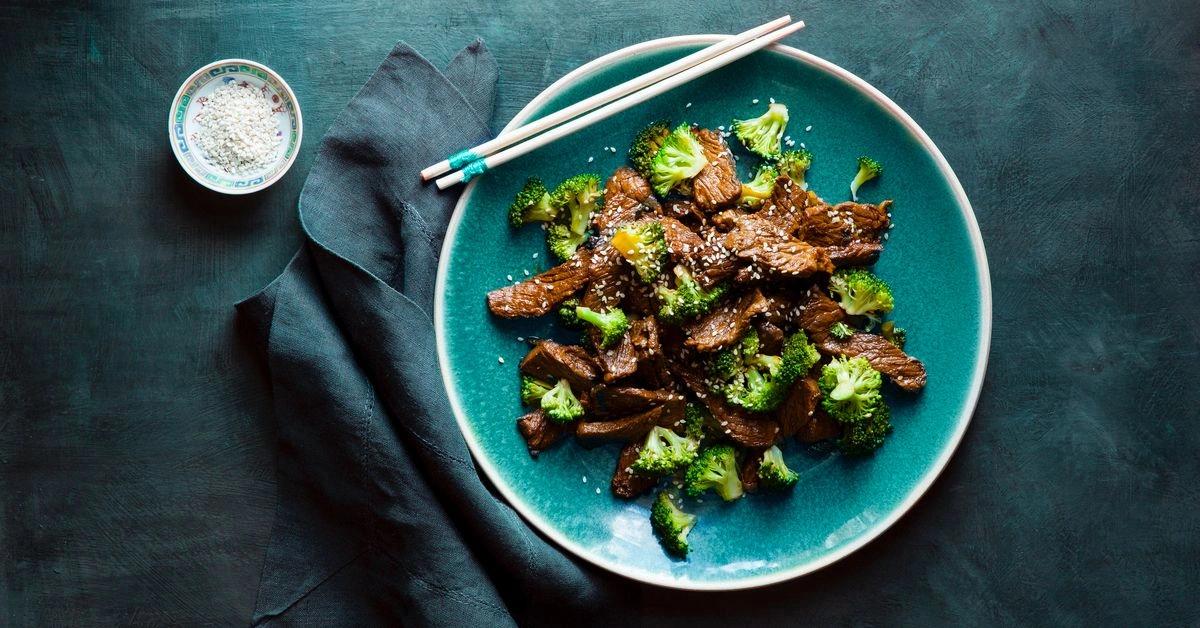
If you want to order Chinese cuisine while staying on a keto plan, focus on protein-rich choices and items without hidden carbohydrates. Also be cautious of sauces that are high in sugar.
Working your way through a Chinese buffet or takeout menu can be tricky when you’re following the low-carb, high-fat ketogenic approach.
Even though many dishes include plenty of vegetables, numerous Chinese preparations come with rice or noodles, starchy and sugary sauces, or battered and fried proteins — all of which can drive up the carb total.
These ingredients are tough to fit into a keto regimen, which usually limits carbs to around 50 grams of total carbs or roughly 25 grams of net carbs — net carbs being total carbs minus fiber — per day.
Luckily, several Chinese dishes are compatible with keto eating. Exact carbohydrate amounts vary by restaurant and preparation, but the following selections are among the best options for takeout, buffet servings, or dine-in Chinese meals.
You can also prepare many of these dishes at home to better control the components and final carb content.
Below are 15 keto-compatible Chinese foods, together with practical advice for cutting carbs when enjoying Chinese cuisine.

1. Egg foo young
Egg foo young is a Chinese-style omelet packed with vegetables such as cabbage, bean sprouts, and onions. When eating out, you can often add proteins like beef, pork, chicken, or shrimp.
These are usually low in carbs since they consist mainly of eggs, vegetable fillings, and the meat, plus the oil used for frying.
2. Boiled or steamed seafood
Chinese buffets commonly include boiled or steamed shrimp, crawfish, and crab legs.
Seafood prepared this way contains virtually no carbs and provides ample protein. Pair it with steamed or stir-fried veggies to keep your meal keto-friendly at a buffet.
3. Egg drop soup
Egg drop soup is an easy keto-friendly option to make at home: eggs, broth, and a low-carb thickener such as xanthan gum suffice.
However, many restaurant egg drop soups are premade or thickened with cornstarch, which raises the carb content beyond what’s suitable for keto.
You can add chopped scallions for flavor, but steer clear of carb-heavy fried wonton strips.
4. Moo shu pork
Moo shu pork is a stir-fry that features sliced pork, scrambled eggs, and vegetables — commonly cabbage and mushrooms — in a light sauce. It’s often presented with rice, which you can skip or substitute if following keto.
It’s a great choice to prepare at home so you can make the sauce yourself and control the carbs. When ordering out, it’s still a better bet than dishes with sweet, thick, starchy sauces.
5. Beef and broccoli
Beef and broccoli is a staple Chinese takeout dish, comprising stir-fried beef and broccoli in a light sauce.
While beef is sometimes “velveted” with a cornstarch slurry that adds carbs, it’s typically a preferable option over higher-carb entrees.
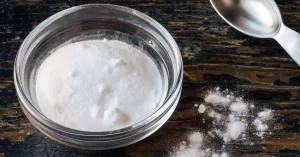
Some restaurants velvet meats using baking soda rather than cornstarch, which doesn’t add carbohydrates. You can also velvet at home with baking soda to keep it low carb.
6. Pork belly
If you want to try a traditional Chinese protein, pork belly from your butcher is a good pick. This fatty cut — commonly used to make bacon — crisps nicely when cooked.
Though many Chinese pork belly recipes use a sweet glaze, you can find or create straightforward, carb-free preparations.
7. Stir-fried mushrooms
Stir-fried mushrooms — served whole or halved in a savory brown sauce — are a frequent offering at Chinese buffets.
Mushrooms are low in calories and carbs, making them ideal for keto meals. Keep portions to about 1/2–1 cup (55–110 grams), because the brown sauce might be thickened with cornstarch (1).
8. Sautéed green beans
Sautéed whole green beans are another buffet staple. Depending on the restaurant, they may be tossed with sauce or simply sautéed in oil and garlic.
Combined with keto-friendly proteins like boiled shrimp or baked fish, a generous helping of sautéed green beans makes it easy to stay low carb at a buffet.
9. Chicken and broccoli
Like beef and broccoli, chicken and broccoli is a stir-fry made with broccoli and often water-velveted chicken pieces. Some versions include extra vegetables such as carrots and onions.
Restaurant preparations may include carbs from the sauce or velveting, but it still tends to be a smarter pick than breaded meats or dishes slathered in sugar-based sauces.
When made at home, chicken and broccoli can be nearly carb-free aside from the broccoli itself.
10. Steamed vegetables
Steaming is a traditional Chinese cooking method used for items like dumplings and leafy greens.
Try steaming greens such as bok choy or Chinese broccoli — available at most Asian markets — and finish with oil, salt, and pepper for a simple, low-carb side.
11. Hot and sour soup
Hot and sour soup is built on a broth and egg base like egg drop soup, and may include bamboo shoots, assorted mushrooms, tofu, vinegar, and spices.
The soup is spicy and tangy, but many restaurant versions are thickened with cornstarch and therefore contain carbs. You can avoid this by preparing it yourself.
12. Kung pao shrimp
Kung pao shrimp is a stir-fry with shrimp, peanuts, bell peppers, and chilies in a spicy sauce. Recipes vary widely across restaurants.
Some versions use a thicker, gravy-like sauce; others swap different vegetables or proteins like chicken.
It’s an excellent keto option as long as you decline the customary rice or noodles. Kung pao dishes are also easy to adapt to keto at home.
13. Chop suey
Chop suey resembles moo shu pork, featuring stir-fried meat, eggs, and vegetables in a light sauce. It’s often prepared with chicken and served over rice or noodles.
When ordering, request no rice or noodles and ask for extra vegetables if possible. At home, make a larger batch of chop suey or enjoy it with riced cauliflower, zucchini noodles, or other low-carb substitutes.
14. Baked fish
Baked salmon commonly appears on Chinese buffet lines. Typically seasoned and served without sauce, the full fillet is presented so you can pick your portion size.
Salmon offers benefits like omega-3 fats and protein, and baked preparations are carb-free — ideal for keto eaters (2, 3).
15. Stir-fries
The simplest way to make keto-friendly Chinese-style food at home is to stir-fry proteins and low-carb vegetables in oil. Good combinations include shrimp, chicken, beef, or pork with zucchini, summer squash, broccoli, cauliflower, cabbage, mushrooms, or bean sprouts.
Boost flavor with low-carb seasonings like soy sauce, grated ginger, crushed garlic, fresh chiles, crushed peanuts, red pepper flakes, and sesame oil.
Stir-fries are flexible and can be adapted to whatever keto-friendly ingredients you have on hand.
How to make Chinese food keto-friendly
Here are four tactics to help you order or prepare Chinese meals that fit a keto approach.
Build your own
Many Chinese buffets have a build-your-own stir-fry station. You can also seek out hibachi-style or Mongolian barbecue spots.
Standalone Mongolian barbecue restaurants often carry a larger selection of meats and vegetables than standard buffet venues.
Keep your bowl low in carbs by loading up on vegetables, eggs, and proteins. Use oil, soy sauce, and hot sauce for seasoning rather than premade, carb-heavy options like hoisin or teriyaki.
Remove the rice and noodles
When ordering or cooking Chinese dishes, widen your choices by leaving out the rice and noodles.
Substitute with keto-friendly options such as zucchini noodles, riced cauliflower, shredded cabbage, or extra steamed vegetables.
Avoid thick, sugary sauces
As a rule, the sweeter, denser, and more opaque a sauce looks, the more carbs it likely contains.
For instance, the dark, glossy, sweet sauce on General Tso’s chicken is rich in sugar and starch. Other examples include sweet-and-sour sauce and the thick, sweet coating used on coconut shrimp and coconut chicken.
Avoid breaded and water-velveted meats
Breaded and fried meats are prevalent at Chinese buffets, especially in dishes like General Tso’s chicken, butterfly shrimp, and sweet-and-sour chicken. Heavy breading and sugary glazes make these too carb-heavy for keto.
When dining out, also try to avoid water-velveted meats if they’ve been marinated in cornstarch rather than baking soda.
The bottom line
Chinese cuisine can be high in carbohydrates due to rice and noodles, sugary sauces, and battered or fried proteins.
However, several lower-carb choices work well for keto followers. The 15 options above are a helpful roadmap for staying keto at a Chinese buffet or when ordering takeout.
When eating out, look for Mongolian barbecue or buffets with customizable stir-fry bars so you can build keto-friendly meals.
You can also lower the carb content of both homemade and restaurant dishes by skipping rice and noodles, avoiding thick sweet sauces, and steering clear of flour- or cornstarch-battered proteins.
With these strategies, you can enjoy Chinese food and remain consistent with a ketogenic diet.















Leave a Reply
You must be logged in to post a comment.