
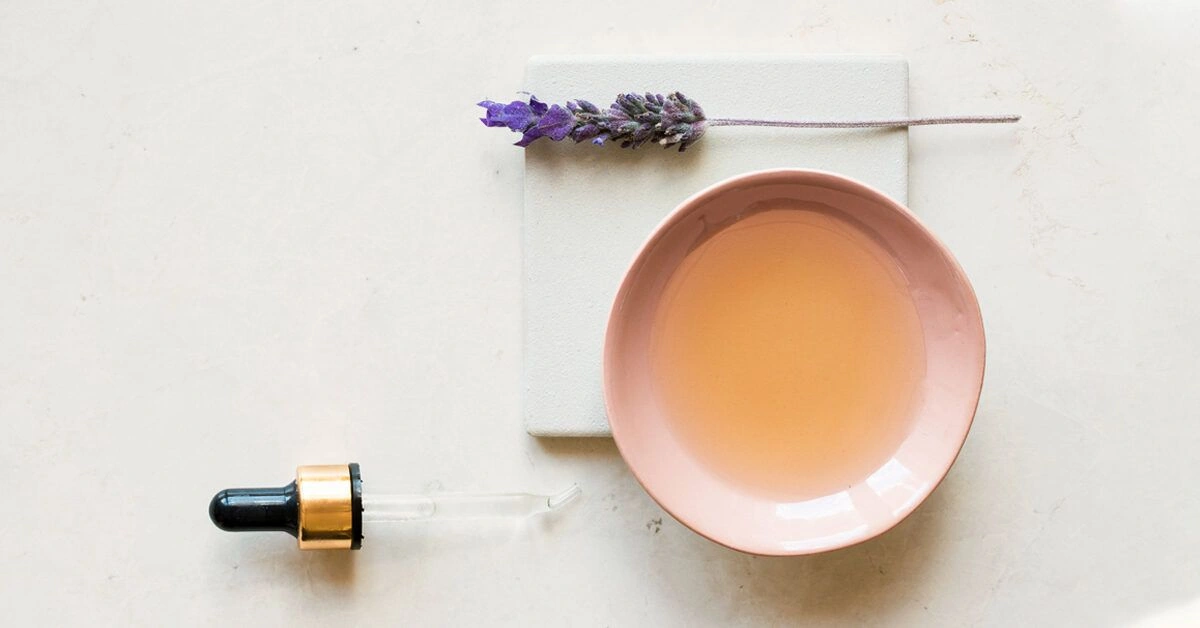
Including essential oils in your labor plan may not be listed right beneath “get an epidural,” but certain aromatherapy oils have been shown to assist — in one way or another — when delivering a baby.
While essential oils won’t trigger labor, they can help ease anxiety, nausea, and discomfort during the process.
Of course, aromatherapy isn’t a replacement for needed medications or medical pain relief, but it can offer additional support. Essential oils are concentrated extracts from fragrant plants. Their aromas can prompt responses in your body and brain that may help you stay calmer and more comfortable while laboring.
Below is information on which essential oils may be helpful during labor and how they might support you.

Can essential oils actually induce labor?
Certain essential oils are safe to use during labor — provided they’re used properly. A review of studies concluded that essential oils do not initiate contractions or cause your water to break. In short, you can’t induce labor with essential oils.
However, the review noted that essential oils can enhance your labor experience. When used as aromatherapy, they may have calming effects, help reduce pain and discomfort, and in some cases may be associated with shorter labor durations.
Keep in mind that essential oils won’t address pregnancy-related medical problems or change the likelihood of needing a cesarean delivery (C-section).
Why consider essential oils during labor?
It doesn’t take a scientist to realize that giving birth can be anxiety-provoking!
If you’re nervous about going into labor, you’re far from the only one. Research indicates that nearly 80 percent of people in or approaching labor experience high anxiety. (Understandably — you’re bringing a tiny human into the world!)
Greater anxiety levels are linked to increased pain during childbirth. So if essential oils can help soothe nerves during labor, they may also boost your comfort. Feeling more at ease might contribute to a shorter labor and a somewhat smoother birth.
Safety tips for using essential oils during labor
Using essential oils during labor is generally safe when used appropriately. The safest application is through an electric aromatherapy diffuser. Simply inhaling the aroma provides the therapeutic effect.
You can also blend essential oils into a carrier oil such as almond oil for massage.
When applying oils to the skin, never use them undiluted, as this can cause irritation or an allergic response. Dilute oils in a carrier and perform a patch test first.
Importantly, do not swallow or ingest essential oils during pregnancy, even if a product label suggests oral use. Essential oils should not be consumed.
Also, keep essential oils out of children’s reach, and be mindful of pets when diffusing, since some oils are toxic to animals.
On rare occasions, you may experience mild adverse effects, especially if oils are used too heavily. Potential side effects include:
- eye irritation or watering
- nose or throat irritation
- headache
- allergic reaction
- lung irritation or asthma flare
Aromatherapy diffusers can become warm. Keep them away from essential oil bottles and other flammable items. Use diffusers only in well-ventilated spaces.
Essential oils that may help during labor
1. Citrus blossom oil
Clinical research in Iran evaluated the use of Citrus aurantium (citrus blossom) oil in 126 women nearing labor. The investigators proposed that lowering anxiety might also reduce pain.
Participants who used citrus blossom oil reported reduced anxiety during labor compared with those who did not use essential oils.
2. Clary sage oil
Clary sage is widely used during labor and childbirth. It’s also traditionally used to ease menstrual cramps and some menopausal symptoms. During menopause, clary sage may reduce stress and discomfort.
According to researchers, clary sage oil is considered safe. Diffuse it into the air during labor to help calm you and provide pain relief.
3. Lavender oil
Lavender is a popular essential oil. In parts of Europe, some hospitals and care facilities use lavender oil to support better sleep and ease insomnia. Unlike many sleep medications, lavender doesn’t typically cause grogginess.
You can use lavender during pregnancy to help relax — for example, in a bath or diffused in your bedroom before bedtime.
During labor, lavender may help soothe and relax you. After delivery, it can still be used safely to help with sleep whenever you get the chance to rest.
4. Jasmine oil
Jasmine essential oil has a floral aroma that tends to uplift the mood. A study from India found that back massages with jasmine oil during labor reduced pain and discomfort.
Participants who received lower-back massages with jasmine oil reported less pain and pressure. Of course, a comforting massage alone can help — but the researchers noted that decreased pain helped make labor easier and faster, benefiting both parent and baby.
5. Peppermint oil
Peppermint’s fresh scent is widely enjoyed. This essential oil is often used for headache, nausea, and dizziness relief. Studies suggest that having a peppermint aroma during labor can offer similar relief.
The minty scent during childbirth may help calm you and reduce pain and nausea. (It might also make you crave something sweet afterward!)
6. Other oils that may help during labor
Other essential oils can also help during labor and delivery by promoting relaxation and lowering pain perception. Additional oils include:
- bitter orange oil
- clove oil
- geranium oil
- ginger oil
For information on complementary approaches that may be of interest during late pregnancy, see resources about acupressure points inducing labor.
The takeaway
Many essential oils are considered safe to use during labor and delivery when applied correctly. Aromatherapy can help you feel more relaxed and comfortable, and in many cases you’ll benefit simply by inhaling the scent.
Talk with your healthcare provider about using essential oils well before your due date. Delivery room policies vary, and you may not be permitted to bring your own oils into the birthing suite. (If you have a C-section, sterile operating-room rules typically prevent bringing personal items into the room.)
Remember that the Food and Drug Administration has not approved essential oils as medical treatments, although clinical studies have observed benefits from aromatherapy. More research is needed to fully understand the role of essential oils in labor and other health uses.




















Leave a Reply
You must be logged in to post a comment.