
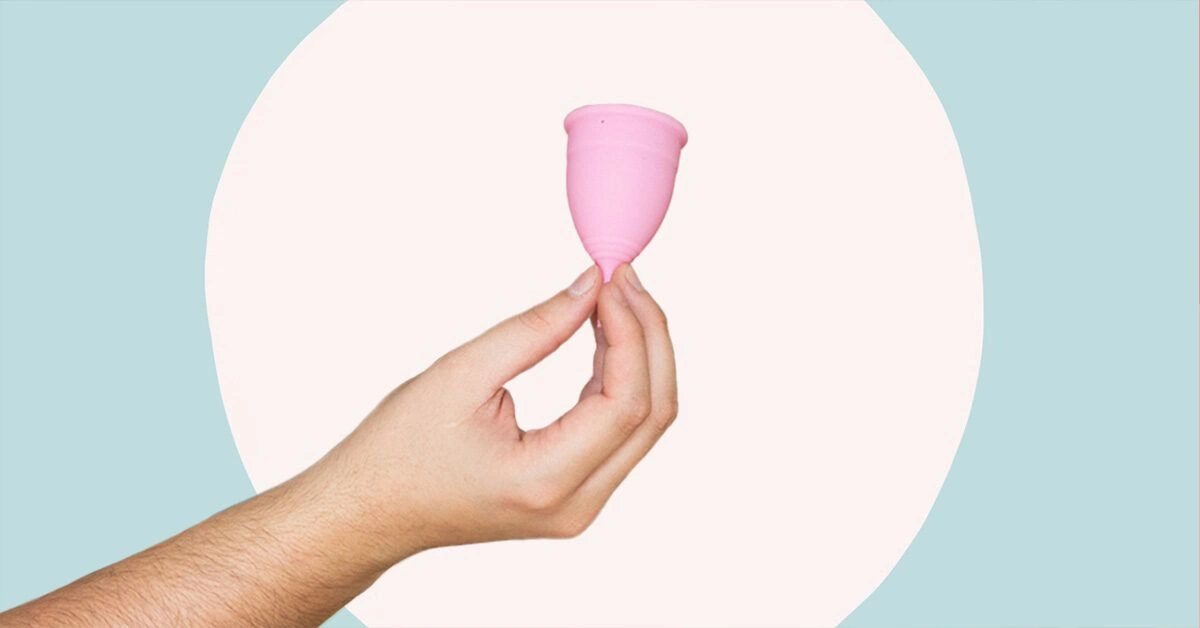
To take out a menstrual cup, pinch its base and pull it downward. Trying to remove it without pinching can lead to discomfort.
Menstrual cups have gained popularity as period products because they’re reusable and often more cost-effective.
That said, taking them out can feel awkward (and a bit messy) the first few times.
From stepwise instructions to cleaning advice, here’s a complete guide to removing a menstrual cup safely and with minimal fuss.
What’s the short answer?
Depending on the volume of your flow, you might be able to keep a menstrual cup in place for as long as 12 hours.
In any case, it must be emptied when it becomes full.
The removal itself is quick once you’re used to it: when you’re ready, simply pinch the base and gently pull the cup down.
Remember to wash your hands beforehand.
How do you remove a menstrual cup step-by-step?
Begin by washing your hands thoroughly with soap before inserting any fingers into your vagina.
Once clean, position yourself in a comfortable pose, such as squatting or sitting on the toilet.
Put your thumb and index finger in until you can feel the cup’s base.
You might need to gently tug the stem (if the cup has one) to access the base.
When you can feel the base, pinch it to break the suction.
Then slowly pull downward until the cup comes out, maintaining the pinch to limit spills and increase comfort.
What should you do if you experience discomfort during cup removal?
Attempting to pull the cup out without pinching the base can cause pain or discomfort.
This happens because the suction seal created on insertion is still intact.
So pinch first, then pull down.
If the base is hard to reach, put a finger alongside the cup and press it toward the vaginal wall. Then hook your finger over the rim and ease it out.
This method may be messier but can help reduce discomfort.
People with vaginismus or those whose uterus shifts position might find menstrual cups somewhat more uncomfortable. That doesn’t rule out using them, but you may need to be exceedingly gentle when removing the cup.
What do you do with the menstrual cup once it’s out?
If your cup is reusable, it needs to be emptied and cleaned; disposable cups should be discarded.
After removal, tip the blood into a sink or toilet.
Rinse the cup with warm water and wash it with fragrance-free soap, paying attention to any tiny holes. If you can’t rinse immediately, wipe it with toilet paper and clean it as soon as you can.
(Follow the manufacturer’s instructions too, as some brands offer specific cleaning recommendations.)
If you plan to reinsert a reusable cup, do so after washing your hands again.
If your period is over, boil the cup for a few minutes after rinsing and store it once it’s sterile.
Most makers suggest keeping it in a breathable pouch or bag so moisture can evaporate.
Other frequently asked questions
Does the size of your menstrual cup affect removal?
A cup that’s too small for your anatomy can be harder to remove.
For instance, if you have a high cervix, a shorter cup may sit further up the vaginal canal and be more difficult to reach.
Larger cups are often longer, so trying one of these might help.
If you’re uncertain about size, manufacturers usually provide a sizing chart for their products.
You can also assess your cervix height by inserting one or two fingers and feeling for the part that resembles the tip of your nose.
If you can feel the cervix at your first knuckle, it’s likely low; if it’s tough to find, it may be high.
Keep in mind that cervix position shifts throughout your cycle, so it’s useful to check at or shortly before the start of your period.
Does having an IUD affect menstrual cup removal?
It’s a misconception that menstrual cups can’t be used with an IUD. Cups sit in the vagina while IUDs reside in the uterus.
Some guidance suggests waiting about 6 weeks after IUD insertion before using a cup, though evidence on the risk is mixed.
A 2012 study found no indication of increased early IUD expulsion among cup users.
A 2019 review reported a handful of cases where IUDs appeared dislodged in cup users, but it didn’t establish that cups were the cause.
Conversely, a 2020 study observed higher-than-expected rates of IUD expulsion in people using menstrual cups.
Also, a series of small case reports from 2019 described seven people who accidentally pulled their IUD strings while removing a cup, causing the IUD to fall out.
So it’s wise to be cautious when removing a menstrual cup. If your cervix sits low, the cup may be nearer your IUD strings, so ensure the strings aren’t obstructing the removal.
Checking your IUD strings monthly after your period can provide reassurance that the device remains in place.
Can a menstrual cup get stuck?
It can take a while to master removal. There have been instances where people needed professional assistance to remove their cups.
But rest assured, a cup cannot migrate out of reach. It will sit below the cervix once it reaches that point.
If you’re struggling, change position — squat lower or lift a leg onto the toilet or tub.
Try to locate the stem or base and gently wiggle it. That should let you grasp the base to break the seal.
If the seal won’t come away easily, pinch for several seconds or find the rim and press it inward until you hear air release, then remove.
Removing at a slight angle can also help by letting more air into the vagina.
Occasionally, simply waiting a bit before trying again is necessary. Your pelvic floor muscles need to be relaxed for the cup to come out smoothly.
How messy is menstrual cup removal?
Be prepared for some blood on your hands — this is common.
With practice, you’ll become quicker and cleaner at removal.
To minimize spills, remove the cup in the shower, bath, or over the toilet.
Follow the removal steps above to get a secure grip and reduce leakage.
Tilting the cup so one side of the rim exits first, then the other, can also lessen mess.
When should you consult with a doctor or other healthcare professional?
If you’re unsure whether menstrual cups suit you — for example, due to a medical condition that could complicate insertion or removal — consult a healthcare provider before trying them.
And if the cup truly becomes stuck despite trying different positions, seek help from a clinician experienced with menstrual cups to have it removed safely.
What’s the bottom line?
Once familiar, menstrual cups can be an effective option for period care.
Although removal might feel awkward at first, practicing how to break the seal and gently pull the cup out will make the process faster, less messy, and more comfortable.
For those managing symptoms around their cycle, further reading on post menstrual syndrome may be helpful.
























Leave a Reply
You must be logged in to post a comment.