

Mold is a kind of fungus that flourishes in damp conditions and spreads by releasing spores. While people sometimes use “mold” to describe all fungi, that usage is inaccurate.
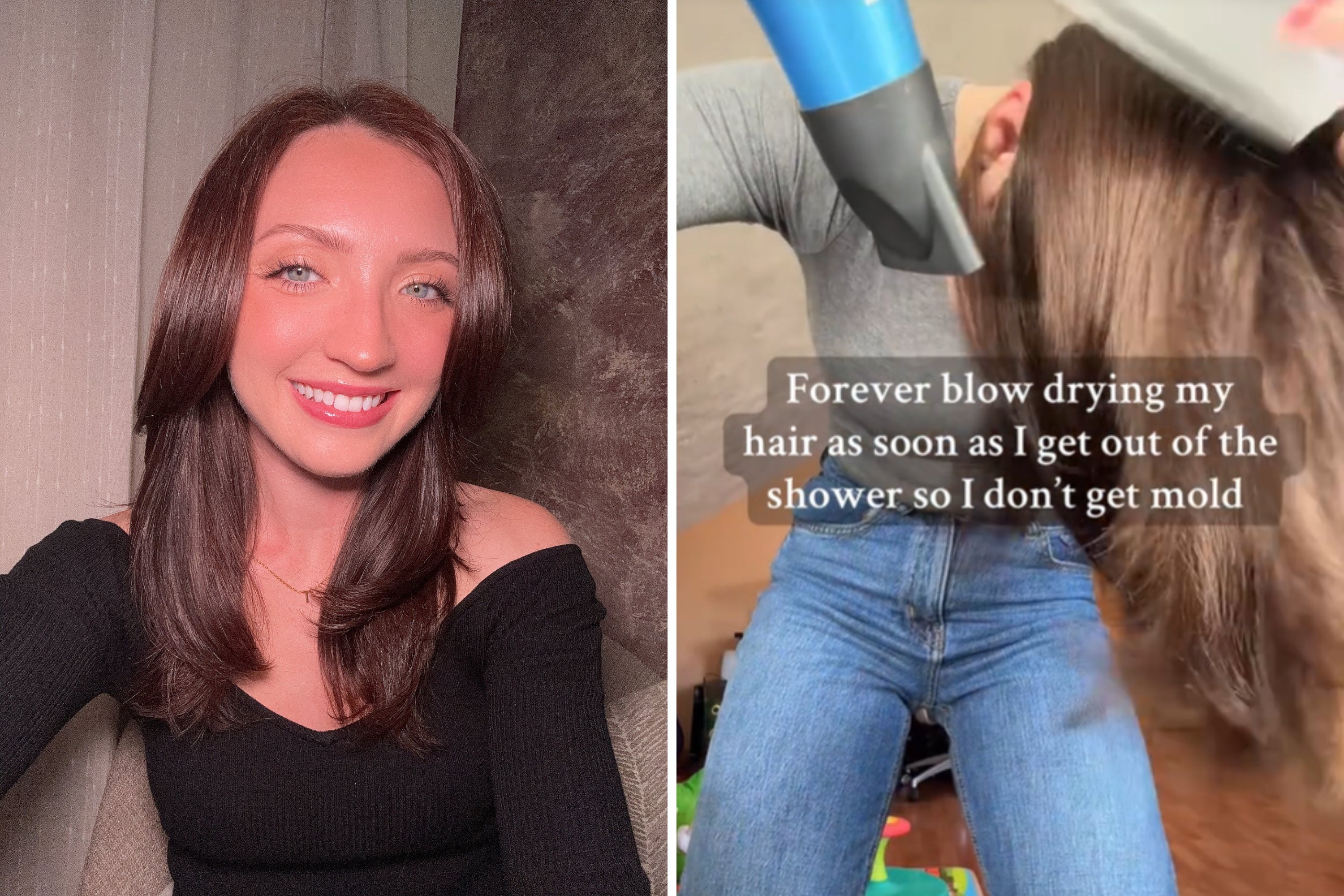
There’s no scientific proof that mold colonizes human hair. However, other fungi — notably yeasts — commonly affect the scalp and can cause issues like hair loss or dandruff. Certain fungi can also grow on the hair itself.
Why do people think fungi are in their hair?
A web search for “moldy hair” yields numerous pages about removing mold from hair.
Many of those pages promote hair-care products claiming to treat “hair mold,” but this is not a real concern for most people.
Evidence does not support the idea that mold grows on human hair. Likewise, the unpleasant smell some notice when hair is wet is not typically due to mold. Other scalp fungal conditions, such as seborrheic dermatitis, may contribute to odors.
Which other fungi can affect the scalp and hair?
Several yeast and fungal infections can develop on the scalp or hair, including:
- Tinea capitis. Also known as scalp ringworm, this is a common scalp infection caused by fungal overgrowth.
- Trichophyton tonsurans. The fungus Trichophyton tonsurans accounts for about 95 percent of scalp fungal cases in the United States.
- Malassezia. Overgrowth of Malassezia yeasts can trigger seborrheic dermatitis and cause dandruff.
- Black piedra. This infection of the hair shaft, also called Trichomycosis nodosa, presents as black nodules. It’s most prevalent in tropical areas and is associated with poor scalp hygiene and long hair.
- White piedra. Similar to black piedra but producing white nodules.
Occasionally, mold spores can enter the body through skin breaks and produce a serious infection, per the Centers for Disease Control and Prevention (CDC).
This condition, cutaneous mucormycosis, is potentially life-threatening and most often affects people with impaired immune systems.
A surveillance project in three California counties around San Francisco from 1992–1993 reported a mucormycosis incidence near 1.7 per 1 million people.
How can you prevent fungal problems in your hair?
You don’t need to fear mold growing on hair, but you can take measures to reduce the chance of scalp yeast infections. Yeasts favor warm, moist environments. Reduce the likelihood of spreading infection by:
- not going to bed with wet hair
- showering after exercise and thoroughly drying your hair afterward
- minimizing touching your scalp to avoid moving yeast to other areas
- using a separate towel for the affected area
- avoiding contact with pets suspected of having ringworm
- not sharing personal items like combs or towels with people who have ringworm

Good personal hygiene is the best prevention for piedra, especially if you live in a hot, humid climate and have long hair.
Who is more at risk for fungal issues in hair?
Scalp ringworm is more frequently seen in children than in adults, with the highest diagnosis rates between ages 3 and 14. Kids who attend daycare or spend time around other children are more likely to contract the fungus.
Certain yeast infections, such as Candida albicans, are most common in people with weakened immune systems.
Cutaneous mucormycosis is typically seen in individuals with poorly controlled diabetes and other conditions that impair immune defenses.
Piedra occurs more often in people living in or traveling to hot, humid regions.
What symptoms suggest fungi on your scalp or hair?
Mold is not known to grow on hair, so there are no specific signs for that. Other fungal conditions, however, have recognizable symptoms.
Black piedra appears as black nodules on hair shafts that range from microscopic up to 1 millimeter across. Affected hair often becomes fragile and breaks. White piedra produces white to tan nodules.
Signs of cutaneous mucormycosis — when mold invades through a cut, potentially on the scalp — include:
- blisters or ulcers
- darkened skin near the infection
- pain
- warmth
- redness
- swelling
Scalp ringworm may cause:
- scaly, inflamed patches of hair
- brittle or fragile hair
- tenderness or pain on the scalp
Seborrheic dermatitis often leads to dandruff and red, itchy skin.
Advice for handling scalp and hair fungal issues
Many fungal scalp conditions can be managed at home, but sometimes medical care is necessary. See a doctor if you have:
- a weakened immune system
- an infection that isn’t improving with medicated shampoos
- severe itching
- developing bald patches
- significant scalp pain or disruption to daily life
Seek urgent medical attention if you suspect mucormycosis, which can produce black or bluish discoloration around a wound.
How are fungal infections of the hair diagnosed?
A clinician may diagnose certain yeast infections by examining the skin and reviewing symptoms. They may use a Wood’s lamp to help detect infection.
Because many scalp infections present similarly, a doctor may take a hair or skin specimen for laboratory testing to confirm the presence of fungi.
How are fungal infections of the hair treated?
Treatment depends on the specific cause of the fungal infection.
Scalp ringworm
Scalp ringworm typically requires prescription antifungal medications — creams, lotions, or powders — for 1 to 3 months, according to the CDC.
Treatment choices include:
- fluconazole
- griseofulvin
- itraconazole
- terbinafine
Piedra
Shaving the affected area is the most reliable way to eliminate piedra. If shaving isn’t acceptable, antifungal creams or shampoos such as 2 percent ketoconazole or 2 percent miconazole applied weekly for 3 weeks may help according to references.
Seborrheic dermatitis
Seborrheic dermatitis can be managed with prescription-strength shampoos containing agents like hydrocortisone or fluocinolone. Antifungal drugs or other therapies, including light therapy, may also be beneficial.
Cutaneous mucormycosis
Cutaneous mucormycosis requires immediate medical care. Treatment often involves surgical removal of damaged tissue plus systemic antifungal medications.
Scalp yeast infections
Scalp yeast infections are common and usually respond to medicated shampoos or topical antifungal treatments. Specific outcomes include:
- Scalp ringworm. With appropriate therapy, the prognosis is generally good. Failure to follow treatment is a common reason for persistent infection.
- Adult seborrheic dermatitis. This condition is typically manageable but not curable.
- Piedra. Most people recover fully with treatment and often regain their hair.
- Cutaneous mucormycosis. This is a dangerous infection that needs rapid diagnosis and treatment; it most commonly affects those with poorly controlled diabetes or other immunocompromising conditions.
- MR (clc) 4/21/2022 – the above link to article requires purchasing or membership to view the supporting document.
- Possibly replace with: https://www.ncbi.nlm.nih.gov/pmc/articles/PMC5514567/
- The mortality information can be summarized: overall mortality for mucormycosis has improved over decades with better treatments, but cutaneous forms remain potentially serious, especially in vulnerable populations.
- IE DN (4/25): Various statistics are reported; it’s sufficient here to note the condition can be life-threatening in certain groups.
- CE DSJ 4/26/22: The suggested clarification and source are helpful for readers seeking more detail.
Home remedies
Always consult your doctor before trying home remedies to ensure they’re safe given your health history.
Research on home therapies for scalp yeast infections is limited. Anecdotally, people sometimes report benefit from:
- diluted apple cider vinegar (equal parts vinegar and water)
- various essential oils
- coconut oil alone or combined with essential oils
- rinsing hair with lemon juice
Learn more about home strategies for ringworm from reliable sources.
The bottom line
Although many search online for ways to remove mold from hair, scientific evidence does not show that mold grows on human hair.
However, other fungi such as piedra or various yeasts can affect the scalp or hair. These conditions are often manageable at home, but a healthcare provider can make an accurate diagnosis and recommend appropriate treatment.















Leave a Reply
You must be logged in to post a comment.