

Overview
Balloon sinuplasty, also called balloon catheter dilation, is a minimally invasive technique used to open obstructed sinuses. This approach is relatively modern, having received Food and Drug Administration approval in 2005. It is frequently called the “smart sinus” technique.
Balloon sinuplasty is typically advised for individuals with chronic sinusitis when other therapies haven’t worked. The procedure is fairly uncomplicated, and reported complications are uncommon. There’s no cutting and no removal of bone or tissue. Nevertheless, balloon sinuplasty remains a form of sinus surgery and carries similar risks to other sinus operations.
Balloon sinuplasty procedure
Balloon sinuplasty can be done in a hospital or in an ear, nose, and throat (ENT) specialist’s office. The procedure may be performed under local or general anesthesia. Your surgeon will discuss the anesthesia plan with you beforehand so you understand what to expect.
During the operation, a tiny light on the end of a wire is placed into the sinus cavity so the surgeon can visualize the area. Then a very thin, flexible balloon catheter is advanced into the sinus passage. The balloon is gradually inflated to dilate the sinus opening.
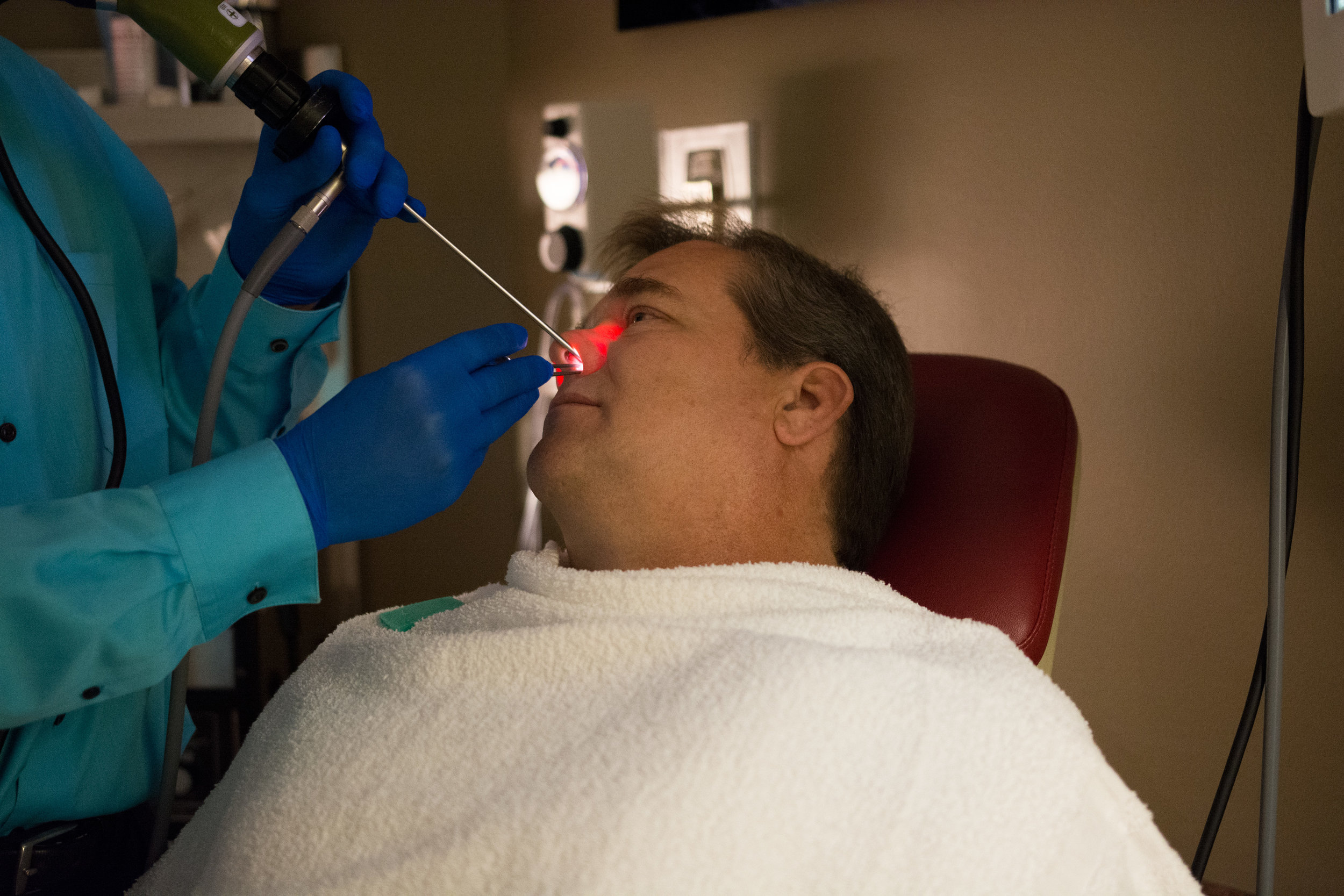
The surgeon will irrigate pus and mucus that has accumulated in the sinus with saline. You’ll notice a drop in pressure when this occurs. While inflated, the balloon gently reshapes the bone around the sinus opening. Once this is finished, the balloon is deflated and removed. That leaves the sinus passage enlarged and relieved of trapped pressure.
Balloon sinuplasty cost
Costs for balloon sinuplasty typically range from $3,000 to $7,000, depending on the treating physician. The procedure usually costs considerably less when done in an office or clinic than when performed in an operating room. Because it’s a relatively recent technique, some insurers continue to categorize balloon sinuplasty as experimental or “not medically necessary.” The American Academy of Otolaryngology issued a statement in 2014 urging all insurers to evaluate covering this procedure.
Recovery and aftercare
Following balloon sinuplasty, many patients can resume normal activities within a day or two. Some individuals are even able to drive themselves home after the procedure.
During the first week after surgery, you may notice some bloody drainage or discharge from the nose. This is common after sinus surgery and generally not a cause for alarm. You may also experience swelling, tiredness, and nasal congestion. These symptoms are typical after sinus procedures and usually resolve within five to seven days.
After the procedure, your surgeon will likely tell you not to blow your nose for at least 24 hours. You should avoid vigorous exercise that raises your heart rate for the first week. To ease discomfort from drainage, sleep with your head elevated. Plan on taking it easy for the initial week and be mindful of how you feel.
The quickest recovery comes from following your surgeon’s directions. You’ll typically be given an antibiotic to help prevent infection—take the full course as prescribed. A pain reliever may be recommended, although significant pain after balloon sinuplasty is uncommon. Check with your doctor before using over-the-counter pain medications like ibuprofen or aspirin. You’ll also likely be instructed to rinse your nasal passages with a saline solution for three to seven days after the procedure to keep the sinuses moist and support healing.
Risks and complications
All sinus surgeries share similar risks, and balloon sinuplasty is no different. The most serious potential complication involves intracranial issues. In rare cases, the surgical connection between the nose and the brain can be affected and cerebrospinal fluid may leak into the nose. This complication is uncommon and is usually corrected during the operation.
There is also a possibility that the appearance of your nose could change slightly after surgery. Sometimes swelling persists for several days, or the nose may look different once the swelling subsides.
If the area isn’t cleaned properly, an infection can develop and require treatment. And while most sinus surgeries improve the sense of smell, occasionally the procedure can lead to a diminished sense of smell.
Outlook
Balloon sinuplasty is an encouraging option for people with ongoing sinus issues. Although the technique is relatively new, it should be viewed as a safe and viable choice for those who haven’t benefited from other treatments. A follow-up study found that outcomes from balloon sinuplasty can persist for at least two years.




















Leave a Reply
You must be logged in to post a comment.