

Prostate and colon cancers share several risk factors but are separate diseases. They involve different organs and present with distinct symptoms. Screening approaches and clinical recommendations for each also vary.
Prostate cancer develops when malignant cells form in the prostate gland. This gland sits near the urethra in people assigned male at birth and helps store and propel semen during ejaculation.
Colon cancer arises when malignant cells develop in the large intestine. The colon is a component of the gastrointestinal (GI) tract, which does not include the prostate.
Both prostate and colon cancer rank among the most frequently diagnosed cancers in the United States. Below we review how common each is, the early signs to watch for, and the diagnostic and treatment options clinicians use.
Which is more common, prostate or colon cancer?
The National Cancer Institute reports prostate cancer is the second most frequently diagnosed cancer in the U.S., though deaths from prostate cancer are less numerous than deaths from some other cancers.
Colorectal cancer, which includes cancers of the colon, is the fourth most commonly diagnosed cancer but ranks second in cancer-related deaths.
The American Cancer Society (ACS) projected about 288,300 new prostate cancer cases in 2023, compared with roughly 106,970 new colon cancer cases. Despite fewer diagnoses, colorectal cancer is expected to cause about 18,000 more deaths than prostate cancer.
Moreover, a 2020 review reported lower screening rates among African American, Asian American, Latinx, and American Indian communities. Limited access to care in these groups may mean true incidence figures for both cancers are undercounted.
Who is at risk of prostate or colon cancer?
Age is a major risk factor for both cancers. The average age at diagnosis for prostate cancer is about 66 years, while the average for colon cancer is roughly 68–72 years. Nonetheless, colorectal cancer rates among people under 50 have been rising, according to 2019 research.
A family history of either disease raises your chance of developing that specific cancer.
A personal history of gastrointestinal conditions such as inflammatory bowel disease also increases colon cancer risk.
Information from the Office of Minority Health indicates that Black Americans have higher risks of both prostate and colorectal cancer, a disparity partly driven by unequal access to and quality of healthcare.
How do early signs and symptoms of prostate and colon cancer differ?
Early symptoms differ mainly because the cancers occur in different parts of the body. Prostate cancer often causes no symptoms until it is more advanced.
The most common signs of prostate cancer relate to urinary changes. Other possible symptoms include:
- blood in the urine
- difficulty getting or maintaining an erection (erectile dysfunction)
- blood in semen
- pain in the pelvic area
- numbness or weakness in the legs and feet
Colon cancer typically produces changes in bowel habits and abdominal discomfort. Additional symptoms may include:
- constipation
- diarrhea
- alterations in stool color or form
- blood in the stool
- rectal bleeding
- increased gas
- abdominal cramping or pain
How do doctors screen for prostate and colon cancer?
The ACS advises beginning conversations about prostate cancer screening at age 50, with earlier discussions recommended for Black individuals or those with a close relative who had prostate cancer.
Common prostate screening methods are:
- prostate-specific antigen (PSA) blood test to measure a protein that can be elevated in prostate cancer
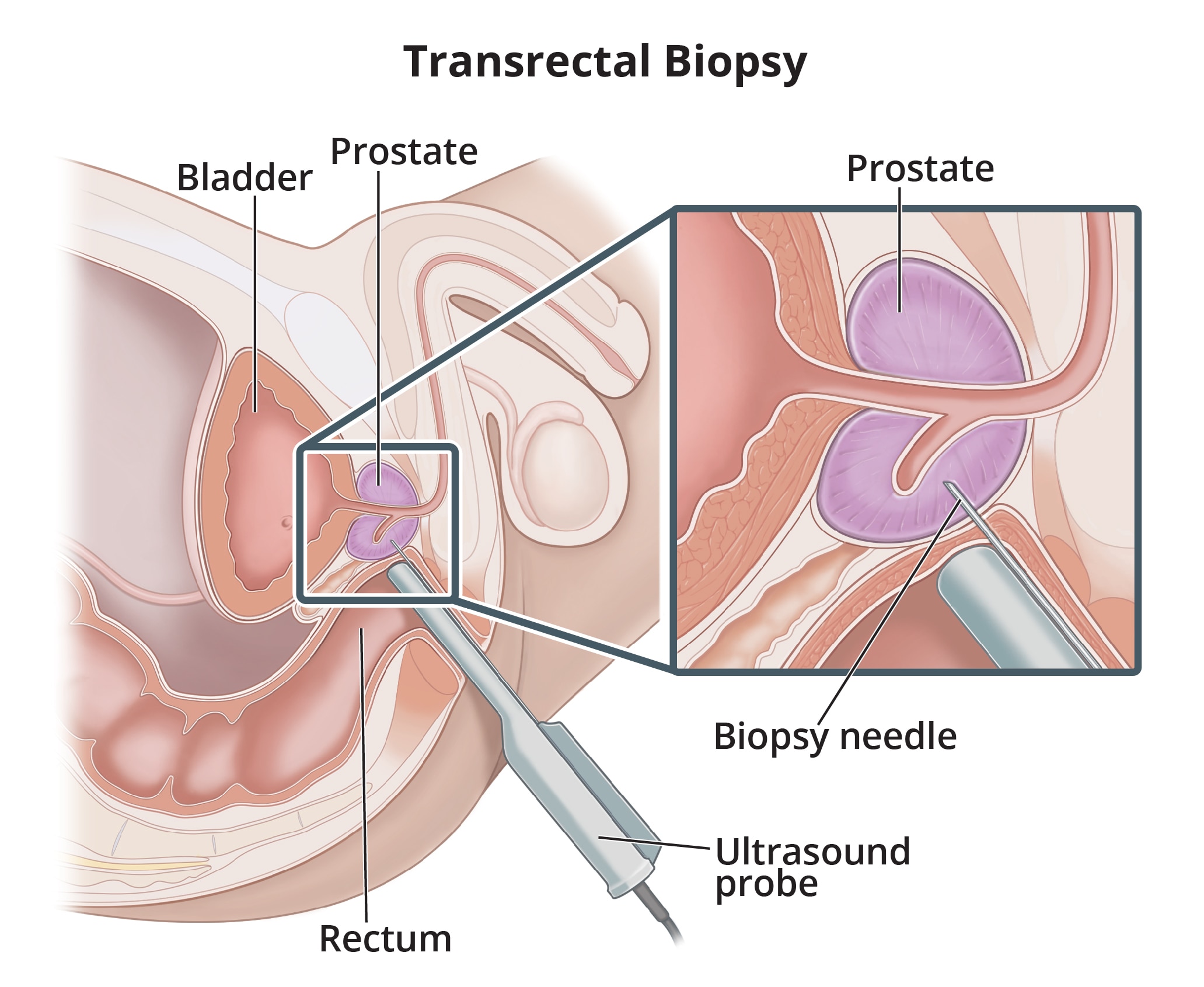
- digital rectal exam (DRE) to feel the prostate for lumps, enlargement, or irregularities
- ultrasound or MRI imaging of the prostate
- prostate biopsy to examine tissue for cancer cells
The U.S. Preventive Services Task Force recommends starting colorectal cancer screening at age 45. If you have a family history or other risk factors, discuss with your healthcare provider when to begin screening so cancer can be detected early.
Colorectal screening options include:
- stool-based tests to check for blood or other markers suggesting cancer
- blood tests such as liver panels to exclude other causes of symptoms
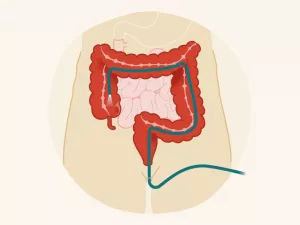
- sigmoidoscopy or colonoscopy to inspect the colon and remove tissue for biopsy
- X-rays and CT scans to visualize the colon and nearby structures
Can a colonoscopy detect prostate cancer?
No — a colonoscopy inspects the inside of the colon and cannot diagnose prostate cancer, since the prostate lies outside the GI tract near the bladder.
That said, clinicians usually perform a digital rectal exam before many colonoscopies, which offers an opportunity to check the prostate.
How does treatment differ for prostate and colon cancer?
Prostate cancer often grows slowly, allowing for less aggressive approaches like active surveillance to monitor disease progression.
If cancer is confined to the prostate, surgical options include simple or radical prostatectomy to remove the gland. If the cancer spreads, treatments may also involve:
- radiation therapy
- chemotherapy
- hormone (androgen deprivation) therapy
- immunotherapy
Colon cancer sometimes progresses more rapidly and may spread beyond the colon, interfering with digestion and waste elimination and posing significant health risks.
Early-stage colon cancer might be monitored closely, but as disease advances treatment can include:
- surgical removal of part or all of the colon
- radiofrequency ablation or cryoablation
- radiation therapy
- chemotherapy
- anti-angiogenesis medications
- epidermal growth factor receptor (EGFR) inhibitors
- immunotherapy
What secondary cancers can prostate and colon cancer cause?
Even after successful treatment, survivors of prostate or colon cancer may develop an unrelated second cancer.
A 2017 Korean study observed an increased prostate cancer risk in people over 55 who had previously had colorectal cancer.
Likewise, a 2016 Canadian study suggested a higher risk of colon cancer in individuals who previously received radiation therapy for prostate cancer.
The ACS notes that the following second cancers are more frequently seen after prostate cancer and after colon cancer:
| Second cancers from prostate cancer | Second cancers from colon cancer |
|---|---|
| • small intestine• skin• bladder• thyroid• thymus | • rectal• anal• kidney• bile duct• small intestine• mouth or throat |
Takeaway
Prostate cancer affects the prostate gland in people assigned male at birth, while colon cancer involves the large intestine, which assists with digestion and waste removal. If you want to know what a normal size prostate is, consult trusted resources or discuss with your clinician.
Symptoms, diagnostic testing, and treatment approaches differ between these cancers and typically involve different specialists. Talk with a healthcare provider if you notice early signs or have concerns about either disease.




















Leave a Reply
You must be logged in to post a comment.