

Whether you call it a power nap, a catnap, or an afternoon siesta, a brief sleep break during the day can rejuvenate you, enhance memory consolidation, and sharpen thinking and concentration.
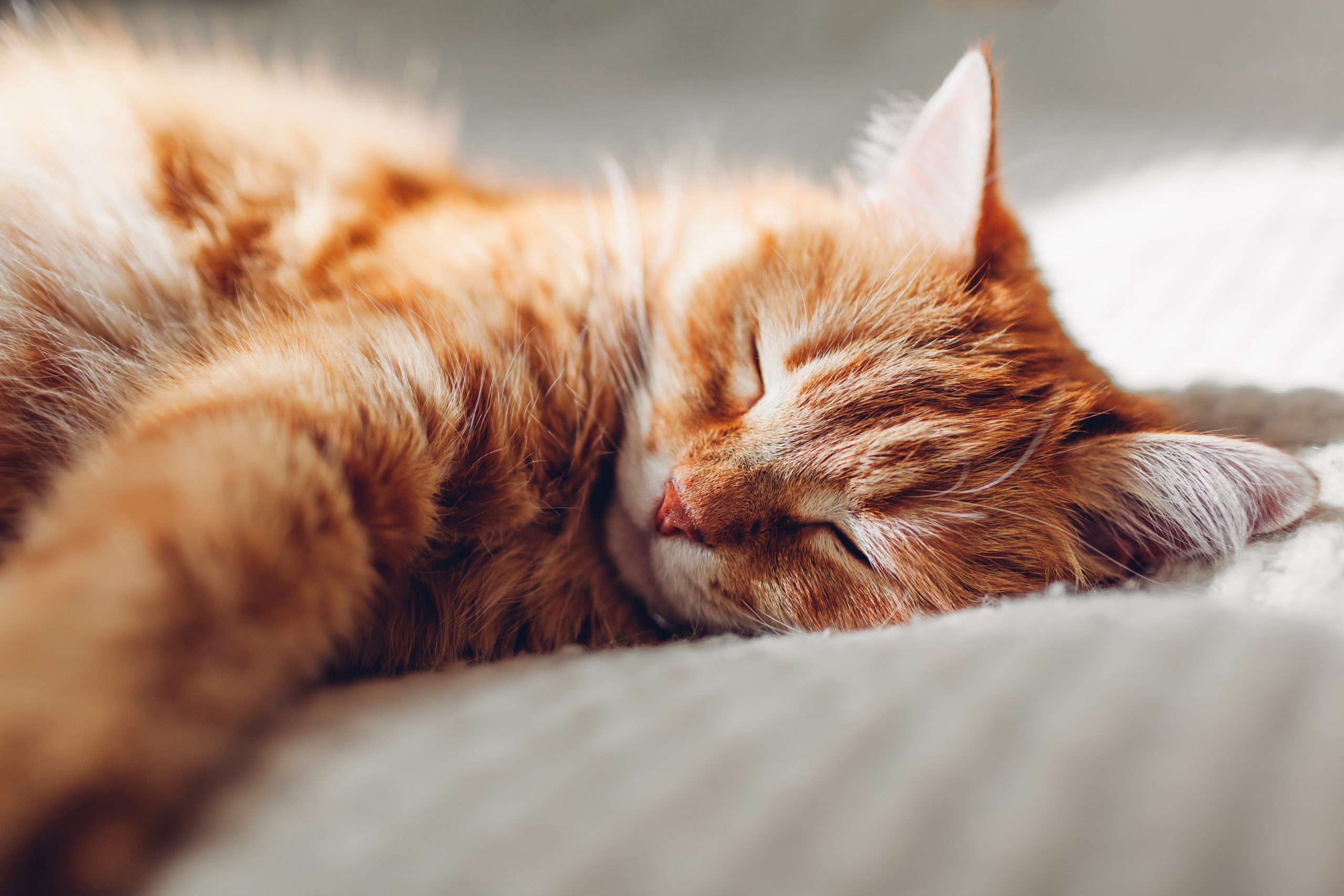
If you, like many people, feel sleepy in the daytime, a short nap may be the answer to that midafternoon lull. However, mistimed naps can bring downsides as well.
Below we’ll explore the best approach to taking a catnap during the day and what to avoid so you wake up feeling restored and clear-headed after your daytime rest.
What is a catnap?
There’s no formal medical definition for a catnap, nor a strict duration. Adults might shut their eyes for around 10 minutes at work, while preschoolers often nap for longer stretches.
A survey from the Pew Research Center reported that about one-third of adults in the United States nap regularly during the day, with much higher rates among children.
Clinicians at the Boston Children’s Hospital Sleep Center note that most toddlers and preschoolers take 1 to 2 naps daily until roughly age 5.
Daytime sleepiness and napping can also resurface during adolescence as teen circadian rhythms shift.
What are the advantages?
Naps lasting about 20 to 30 minutes—often called catnaps—have been well researched, and studies show several benefits of a brief afternoon snooze. Here are a few.
Strengthens memory and learning
If you want to lock in what you’ve just studied, taking a short nap after learning can help.
Researchers at Duke‑NUS Medical School compared napping to cramming and found both aided short-term memory consolidation. However, students who napped right after learning still remembered the material a week later, whereas those who crammed did not.
Research shows similar effects for younger children as well.
Raises alertness and focus
If you slip into a post-lunch haze, a brief nap can re-energize you and improve cognitive clarity.
In a recent study, investigators examined napping effects on 13 male athletes after karate practice and found that a 30-minute nap increased alertness and enhanced cognitive functioning.
Earlier research from 2014 also found that short, well‑timed naps helped fatigued pilots stay more alert and perform better.
Enhances athletic performance
Tiredness can impair even elite athletes, but short naps may boost physical performance.
A recent trial tested 17 male runners on a high‑intensity shuttle run and found that those who napped for 25, 35, or 45 minutes outperformed non‑napping runners.
In that study, the 45‑minute nap yielded the best overall performance.
Improves mood
Daytime naps may help reduce negative feelings.
A recent study of 14 amateur athletes evaluated the effects of nap duration on mood and performance; participants who napped reported decreases in tension, depression, and anger.
In a 2015 study of 40 people, those who took an afternoon nap were more tolerant of frustration and less impulsive than those who stayed awake.
Are there disadvantages to catnapping?
Yes. One downside is that naps—particularly late‑afternoon ones—can interrupt nighttime sleep, which may be a problem for young children and people with insomnia.
Another issue is sleep inertia, the groggy period between sleep and full wakefulness that can last minutes to hours. This often happens when naps exceed about 20–30 minutes.
While short naps are not typically linked to negative health effects, frequent long naps have been associated with several conditions that could harm health, including:
- high blood pressure in women
- increased risk of type 2 diabetes
- greater risk of cardiovascular disease
- depression and cognitive decline in older adults
Napping and cardiovascular risk
If you nap every day, it’s worth monitoring your heart health.
A 2010 analysis linked heavy napping to higher body mass index and larger waist circumference—both cardiovascular risk factors—especially among older Black adults.
Catnap do’s and don’ts
Here’s a quick guide to maximize the benefits of a catnap:
DO
- Keep naps brief. Longer naps can disrupt nighttime sleep and may be tied to other health issues. The Mayo Clinic recommends naps of 20 minutes or less.
- Nap in the early afternoon. Napping too close to bedtime can make it harder to fall asleep at night. Aim to avoid naps after about 2 or 3 p.m.
- Nap on a routine schedule. If you work rotating shifts, a short pre‑shift nap each day can help you stay alert while on duty.
- Make your nap environment cool, dark, and quiet. A dark space helps you fall asleep quicker—eye masks can block light—and white noise apps can mask disruptive sounds.
DON’T
- Avoid sleeping too long. Extended naps can interfere with a good night’s sleep.
- Don’t overdo naps if you’re older.Studies have associated excessive napping with higher all‑cause mortality in older adults.
- Don’t let naps push back bedtime for preschoolers.Research from 2011 indicates that young children need solid nighttime sleep to perform well during the day; naps that delay bedtime can disrupt schedules and impair cognitive function.
How to stay alert when a nap isn’t possible
You can’t always take a catnap—especially at work or school. If a nap isn’t an option and you’re nodding off at your desk, try these energizing strategies:
- Drink water.Research shows staying hydrated reduces fatigue and improves short‑term memory, attention, and reaction time.
- Increase ambient light. A 2015 study found that working in bright light can boost cognitive flexibility as effectively as a short nap during the post‑lunch slump.
- Choose protein-rich foods. In a 2019 study, replacing saturated fat and carbs with protein led to less daytime sleepiness.
- Take brief, frequent movement breaks. A quick walk outside in daylight or climbing a flight of stairs can break monotony and revive flagging energy.
- Use caffeine strategically.Research from 2011 supports caffeine as an effective substitute when you can’t take a nap.
The takeaway
Short daytime naps—often called catnaps—are an effective countermeasure for afternoon sleepiness. They can aid memory, boost alertness and attention, improve physical and mental performance, and lift mood.
To get benefits without disrupting nighttime sleep, take naps early in the afternoon and keep them short—ideally 30 minutes or less. Longer naps can cause sleep inertia and may be linked to greater risk of certain health problems.
If you’re frequently sleepy during the day and naps don’t help, consult your healthcare provider. They can help identify whether an underlying condition is causing your daytime drowsiness.



















Leave a Reply
You must be logged in to post a comment.