

Irritable bowel syndrome can impact more than just your digestive tract. Many people with this condition also notice episodes of brain fog. Here’s how to restore your concentration.
Irritable bowel syndrome (IBS) is a functional bowel disorder of unknown origin that produces uncomfortable digestive symptoms without causing structural harm. If you have IBS, you’re likely familiar with gastrointestinal disruptions that range from mildly annoying to severely disruptive, including constipation, flatulence, bloating, or diarrhea.
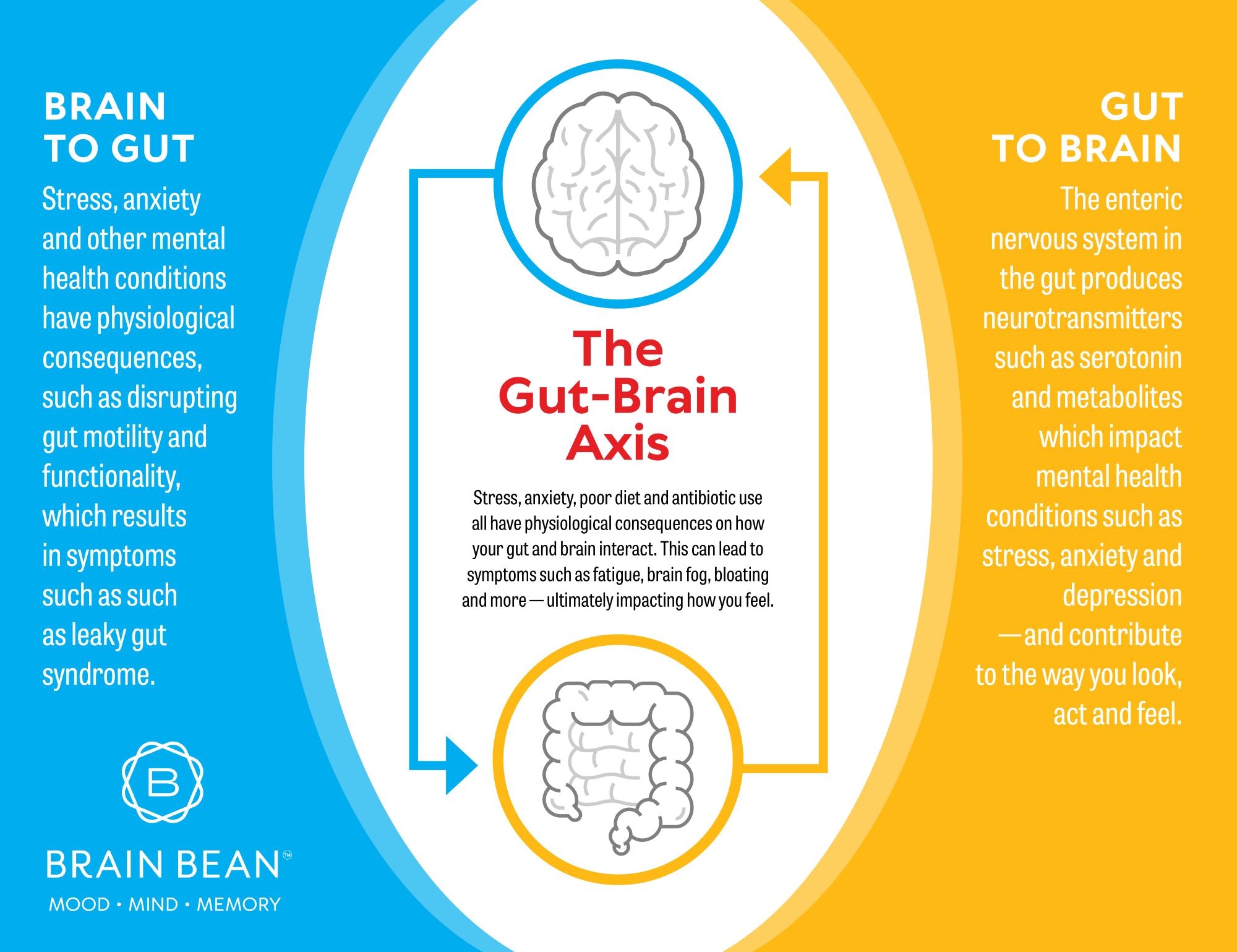
But gastrointestinal complaints aren’t the only issues tied to IBS. Some individuals describe a feeling of cloudy thinking or mental slowness, commonly called brain fog. While there’s no definitive cure for IBS or the cognitive haze, there are steps you can take to improve your focus.
Here’s more on how IBS may influence your thinking.
Can IBS influence the brain?
Although investigators are still unraveling the precise link between IBS and the brain, several ideas have emerged to explain why the condition might lead to cognitive symptoms like fuzzy thinking and reduced attention.
Most explanations point to the microbiome — the trillions of microorganisms that inhabit the human body. Disturbances in this fragile community could cause problems not only in the gut but in the brain as well.
A 2016 study, for instance, showed that microbiome health can affect cognition and behavior, in some cases producing depression-like behaviors. Another 2018 study reported that individuals experiencing brain fog had higher rates of small intestinal bacterial overgrowth (SIBO).
Beyond biological explanations linking IBS to mental cloudiness, the lived experience of chronic discomfort can also undermine cognitive wellbeing.
“IBS can substantially reduce someone’s quality of life, which may contribute to brain fog,” explains gut health dietitian Amanda Sauceda, RDN. “It can be draining to worry whether a meal will trigger symptoms, to always be scanning for a bathroom, or to feel anxious about eating around others.”
What is the microbiome?
To understand how IBS might affect mental clarity, it helps to look closer at the microbiome. This term describes the community of microbes (both beneficial and harmful) that have been associated with a wide range of health issues, from weight changes to diabetes. What is it about this microbial ecosystem that can influence cognitive function?
Scientists suspect that gut bacteria may affect or disrupt the gut-brain signaling pathways. Although the mechanisms remain incompletely characterized, these disruptions appear capable of producing cognitive issues such as brain fog.
Learn more about the microbiome here.
What is brain fog?
Much like the vague sensation it denotes, brain fog lacks a precise medical definition. Still, many people describe similar signs, such as:
- difficulty concentrating
- trouble maintaining focus
- being easily diverted
- memory lapses
- sensations of sluggishness, confusion, or overwhelm
How can you address brain fog from IBS?
Because research into IBS-associated brain fog is relatively nascent, there aren’t many established, evidence-backed medical treatments. Nevertheless, several strategies have helped many people.
Medical care
If cognitive sluggishness tied to irritable bowel syndrome is interfering with daily living, mention it to your clinician. In rare situations, they might consider medications to manage symptoms. More commonly, however, they’ll suggest lifestyle adjustments to help restore mental clarity.
Home strategies
Modest shifts in your habits can lead to noticeable gains in cognitive sharpness. Try these at-home approaches for brain fog linked to IBS.
Low-FODMAP diet
“A low-FODMAP eating plan, which has been demonstrated to alleviate IBS symptoms, may also be useful for brain fog,” says Sauceda. She highlights a 2017 study that found a low-FODMAP diet lowers histamine, a compound associated with cognitive fog.

Stress management methods
Evidence indicates that chronic stress can impair brain function. Easing feelings of anxiety and overwhelm through practices like meditation, cardiovascular exercise, or sharing your concerns with a trusted friend may help lift mental cloudiness.
Supplements
Various dietary supplements are marketed to ease brain fog. Research is ongoing to determine which are most helpful, but options to consider include vitamin D, vitamin C, omega-3 fatty acids, and magnesium.
Symptom logging
Keeping a detailed food-and-mood diary can illuminate patterns in your symptoms. “You can use it to log what you eat and how you feel so you have information to better identify when brain fog occurs and any likely dietary or lifestyle triggers,” Sauceda advises.
Frequently asked questions
What triggers brain fog?
Although brain fog has connections to IBS, a feeling of mental cloudiness can also arise from other sources. Stress, hormonal shifts, and mental health conditions like anxiety or depression may all contribute to fuzzy thinking.
Can other digestive disorders cause brain fog?
Given the gut-brain link, it’s unsurprising that IBS isn’t the only gastrointestinal issue associated with brain fog. It has also been observed in people with inflammatory bowel diseases such as Crohn’s disease and ulcerative colitis.
Do probiotics reduce brain fog?
Probiotics may not be the solution for cognitive haze tied to IBS. In one analysis, probiotic use was actually associated with increased reports of brain fog in those with inflammatory bowel disease (IBD). “I would suggest working with your physician and a dietitian to determine which probiotic — if any — is appropriate,” says Sauceda.
Takeaway
Because treatments for IBS-related brain fog are still evolving, it can be challenging to find the best ways to clear your mind. Advocate for your health by consulting medical and mental health professionals, and experiment with home strategies. Through trial and observation, you may discover that dietary changes, stress reduction, supplements, physical activity, or other tactics help bring your mental clarity back.






















Leave a Reply
You must be logged in to post a comment.