
Things to consider
If you struggle with acne, you may feel like you’re forever hunting for a single magic remedy.
Unfortunately, facials aren’t a cure-all. That said, they can help soothe the issue.
How well they work depends on several factors: the products used, how often you get them, and the expertise of the aesthetician.
An experienced professional will understand how to tailor treatments to your specific skin type.
Below is guidance on choosing the appropriate facial for your skin, what to expect at your visit, and more.

It depends on the type of acne
If your acne is mild, a facial paired with suitable skincare products may offer noticeable benefits.
For moderate to severe acne — generally defined as at least 30 lesions in total — facials alone might not be enough and could be best combined with stronger options like prescription treatments.
| Classic | Decongesting | Microdermabrasion | LED | Brightening | Enzyme | |
| Whiteheads | X | X | X | |||
| Blackheads | X | X | X | |||
| Pustules (pimples) | X | |||||
| Papules | X | |||||
| Cysts | ||||||
| Nodules | ||||||
| Atrophic or other depressed scars | X | X | ||||
| Hypertrophic or keloid scars | ||||||
| Discoloration | X | X | X | X |
Types of facials typically used for acne
Some facials address active breakouts, while others work to reduce lingering scarring or discoloration.
Classic
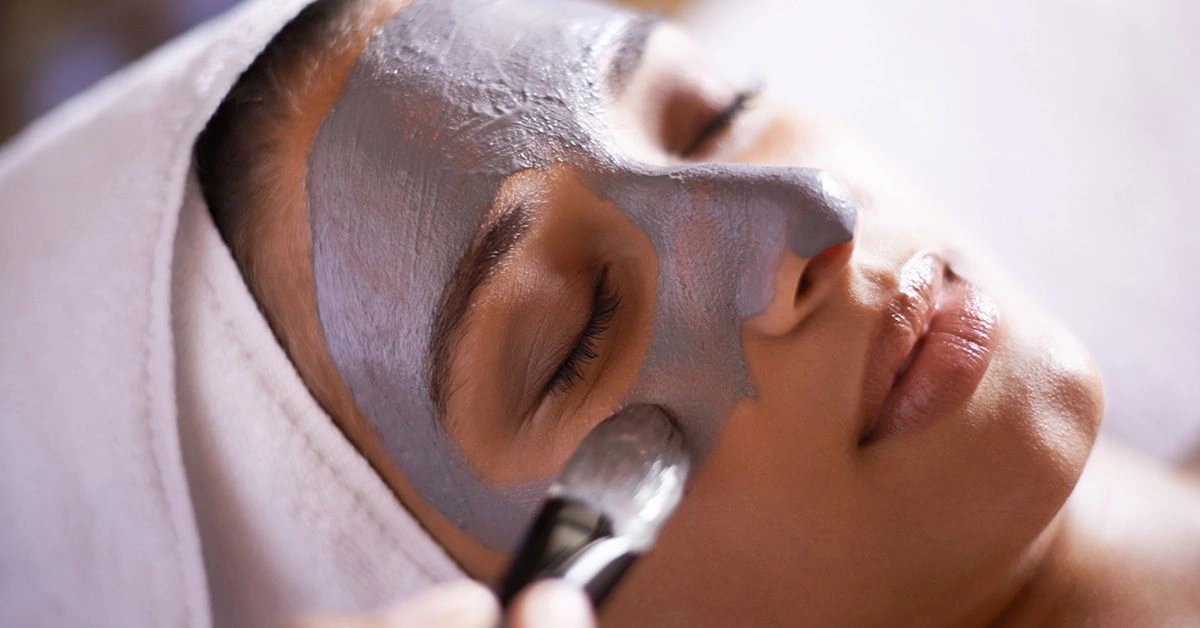
- What does this consist of? A set of routine steps: steaming, an exfoliating scrub, massage, and a mask. A toner and moisturizer may follow.
- What does it do for your skin? It usually delivers deep cleansing and exfoliation, helping to slough off dead skin cells and leave skin feeling hydrated and more even.
- What type of acne does it work best for? Effective for extracting blackheads and whiteheads.
- What’s the average cost per session? Roughly $75 on average, though prices can rise into the hundreds.
Decongesting
- What does this consist of? Basically a classic facial focused on clearing clogged pores. The esthetician may use fingers or a small extractor to remove minor breakouts.
- What does it do for your skin? It clears blocked pores and smooths the skin, but doesn’t address underlying causes of acne; multiple sessions may be needed for noticeable change.
- What type of acne does it work best for? Suited to whiteheads and blackheads; deeper issues like cysts or nodules should not be extracted.
- What’s the average cost per session? Typically between $70 and over $200.
Microdermabrasion
- What does this consist of? A noninvasive procedure using a handheld device to gently buff away the skin’s top layer. Sessions take about 30–40 minutes, followed by moisturizer.
- What does it do for your skin? After a short series of treatments, skin generally looks brighter, smoother, and more even in tone.
- What type of acne does it work best for? Helpful for blackheads and whiteheads; can also improve depressed scars and discoloration.
- What’s the average cost per session? The mean cost for one treatment was $137 in 2017.
LED
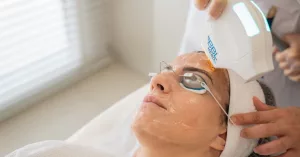
- What does this consist of? After cleansing, skin is exposed to an LED device emitting white, red, and blue/inferred light. White penetrates deepest and targets skin tone, red stimulates collagen, and blue destroys acne-causing bacteria.
- What does it do for your skin? It can combat active acne and reduce inflammation. It’s gentle on sensitive skin and may show benefits even after a single session.
- What type of acne does it work best for? Particularly effective for pimples.
- What’s the average cost per session? Prices can begin around $35 and climb to nearly $200.
Brightening
- What does this consist of? A blend of acid peels, masks, and serums with antioxidants such as vitamin C. Duration depends on your skin’s needs.
- What does it do for your skin? These products aim to fade discoloration from acne by slowing melanin production or encouraging shedding of top skin layers, and they can improve texture.
- What type of acne does it work best for? Targets dark marks and hyperpigmentation.
- What’s the average cost per session? Generally pricier, often starting above $100.
Enzyme
- What does this consist of? Enzymes—natural agents that promote cell turnover—often derived from fruits and used in facial peels.
- What does it do for your skin? The enzymes break down keratin in dead skin cells, leaving skin smoother and more evenly colored.
- What type of acne does it work best for? Best for depressed scars and discoloration; results may vary since enzymes must be stored properly to stay effective.
- What’s the average cost per session? A typical starting price is about $150.
How to find a provider
Your choices are a dermatologist or an aesthetician.
A general dermatologist can manage straightforward acne, while a cosmetic dermatologist focuses on more complicated concerns like scarring or persistent discoloration.
Aestheticians are trained to perform routine facials, peels, and microdermabrasion.
Look for a dermatologist who is board-certified by the American Academy of Dermatology. Most states also require aestheticians to hold a license.
Whichever professional you choose, be sure to ask:
- How many years have you been practicing?
- How frequently do you perform the treatment I’m considering?
- Can you share before-and-after photos of past clients?
Seek recommendations and read online reviews. Make sure you feel comfortable and that the practitioner can clearly answer your questions.
Optum Now is operated by RVO Health. By clicking on this link, we may receive a commission. Learn more.
What to expect at your appointment
Before
Write down any medications you take and your regular skincare routine.
On arrival, you’ll likely complete a consultation form asking about your skin, health, and current medications — that note will be useful.
Be thorough and honest in your responses, and tell your dermatologist or aesthetician about any specific worries.
During
You’ll be escorted to the treatment room. Some facials may require you to remove your top and bra; the specialist will step out while you undress.
Settle onto the treatment bed and cover up with the provided towel or sheet.
The facial will then begin. Steps vary by procedure, but all typically start with a thorough cleanse to remove makeup and impurities.
A standard facial often lasts about an hour. Procedures like microdermabrasion and LED therapy can be shorter.
No part of the facial should feel painful. If you experience discomfort, notify the practitioner right away.
After the treatment finishes, you’ll be left alone to get dressed.
After
Before you go, you’ll receive aftercare guidance and recommendations for maintaining your skin’s improved look.
Some clinics may offer the products used during your session for purchase.
Your dermatologist or aesthetician will also suggest when to schedule your next visit.
Potential side effects and risks
Overly aggressive treatments can aggravate acne. Vigorous exfoliation may cause redness and swelling.
Excessive extractions carry the same risk. An experienced dermatologist or aesthetician should minimize these side effects.
Some procedures carry additional risks. For instance, anyone considering LED therapy or microdermabrasion should consult a professional beforehand.
If you’re taking isotretinoin or have used it within the past six months, microdermabrasion could increase the risk of scarring.
Less common adverse effects from this treatment include bruising, burning, stinging, and heightened sun sensitivity.
Aftercare and maintenance
Most facials won’t affect your daily activities. To preserve results, follow a sensible at-home skincare routine.
Avoid harsh measures at home. Use a gentle cleanser with little or no alcohol and exfoliate no more than once weekly.
More intensive treatments like microdermabrasion may require post-care sun protection. Your practitioner will advise you.
If you get another breakout, resist popping it. Instead, schedule another appointment and let the professionals handle it.
It’s generally reasonable to undergo treatments every two to four weeks, depending on acne severity.
If you want to DIY
You can recreate many facials at home. For those not requiring machines, follow this routine.
- Cleanse with a mild non-foaming cleanser, then steam your face to soften the skin.
- Use an AHA or BHA toner to clear debris before applying a mask or peel. Clay masks, such as Glamglow’s Super Mud Clearing Treatment, or sulfur-based treatments work well for acne. You might also consider a face mask for acne recommended for your skin type.
- After removing the mask, extract visible whiteheads or blackheads with a sterile extractor or by wrapping fingers in a clean cloth and pressing gently.
- Finish with a moisturizer. A rosehip facial oil can be a soothing alternative to a heavy cream.
You can also try at-home microdermabrasion or LED devices.
PMD’s Personal Microderm Tool can be used weekly and takes only minutes, while Neutrogena’s Light Therapy Acne Mask combines red and blue light and can be used about 10 minutes daily.
Results and outlook
Before committing to facials, consult with a doctor or dermatologist. They can advise on the most appropriate treatments and which facials to avoid.
It’s important to realize you won’t leave a facial appointment with instantly flawless skin.
These procedures aim to manage breakouts or gradually improve the lingering signs of acne. Multiple sessions are often required before you see a difference.
While you can do some facials yourself at home, professional treatments usually yield better outcomes.
Keep expectations realistic, be patient, and consult a professional when you’re uncertain.











Leave a Reply
You must be logged in to post a comment.