
Breakouts occur. When they do, it can be hard to decide what to try first. Should you reach for a natural remedy or a commercial product? The answer often depends on the kind of acne you have and your skin type.
Below are several choices — from homemade blends to ready-made treatments — designed to reduce inflammation, combat bacteria, and clear clogged pores.
What is acne?
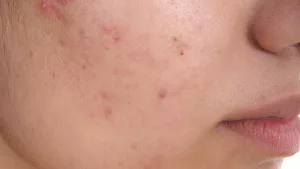
Acne is an inflammatory skin disorder that happens when hair follicles beneath the skin become blocked by sebum and dead skin cells. Acne presentations can be non-inflammatory or inflammatory and include:
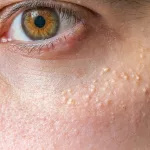
- Whiteheads created when sebum and dead skin cells obstruct pores. The pore’s top seals over, producing a small raised bump on the skin.
- Blackheads caused by pores clogged with dead skin cells and oil; the pore remains open and appears dark on the surface.
- Pustules that form when pore walls break down. These are often red and raised, filled with pus, and usually capped with a white or yellow center.
- Papules that can appear when pore walls are so inflamed they rupture. Papules are hard, tender, clogged bumps typically surrounded by pink skin.
- Cysts that develop when pores are deeply blocked and infected by sebum, bacteria, and dead skin cells. These are the largest acne lesions, often painful and more likely to scar; they usually require prescription medication or sometimes surgical removal.
- Nodules that arise when swollen, clogged pores become further irritated and enlarge. Because they sit deep under the skin, nodules frequently need prescription treatment.
It’s important to understand that more than one acne type can be present at once.
The best homemade face masks for acne
Many factors contribute to acne. While the basic cause is oil and blocked pores, the triggers for excess oil production and the resulting bacteria-driven inflammation can range from hormonal shifts to localized infections.
Severe acne often needs stronger, medicated approaches, but milder breakouts may respond well to topical applications.
Below are five natural mask recipes and an explanation of how they help.
Turmeric and honey mask
Directions
- Combine 1/2 teaspoon of turmeric with 1 tablespoon of honey.
- Keep the mask on for 10–15 minutes.
Why it works: “Turmeric is a natural anti-inflammatory and can help reduce inflammation in the skin,” says Deanne Mraz Robinson, MD, FAAD, an assistant clinical professor of dermatology at Yale New Haven Hospital and co-creator of Pure BioDerm.
Whether in powdered or fresh form, turmeric can be made into a topical paste. When combined with honey — an antioxidant-rich, naturally antibacterial and antimicrobial substance — it may help calm inflamed skin and lower the risk of future breakouts.
Tea tree clay mask
Directions
- Add 1 to 2 drops of tea tree oil to your clay mask.
- Leave the mask on for 10–15 minutes, but don’t exceed 30 minutes.
Why it works: “Tea tree oil is a tried and true antibacterial and anti-inflammatory,” Robinson says.
Older research from 2007 indicated it can be effective against acne, but it’s strong in high concentrations and when used undiluted on skin.
“Be cautious as higher concentrations can be irritating to the skin,” Robinson warns.
Because of possible hormone-disrupting effects, dilute 1–2 drops in honey or mix into a calcium bentonite clay mask, which helps buffer potential irritants from direct contact with skin.
Alternative: Blend a few drops of tea tree oil with about 12 drops of a carrier oil such as olive, jojoba, or sweet almond. Massage onto cleansed skin (avoiding the eyes) like a moisturizer. Leave for 5–8 minutes, then use a warm towel to remove and continue with your routine. (Skip toner if you use this.)
Remember that studies showing tea tree oil’s benefits are mostly based on prolonged use, so consistent application tends to be more effective than a single spot treatment.
Witch hazel and rose water mask
Directions
- Combine a few drops of witch hazel with rose water or white tea water.
- Use the mixture to moisten a bentonite clay mask.
- Keep the mask on for 10–15 minutes, no longer than 30 minutes.
Why it works: Witch hazel is a plant extract commonly used as an astringent and may help remove surplus oil from skin. It also has antibacterial and anti-inflammatory traits, making it useful for angry, red blemishes.
“Avoid [witch hazel] products with alcohol in the base, as it can strip the skin and be irritating,” Robinson advises.
Aloe vera mask
Directions
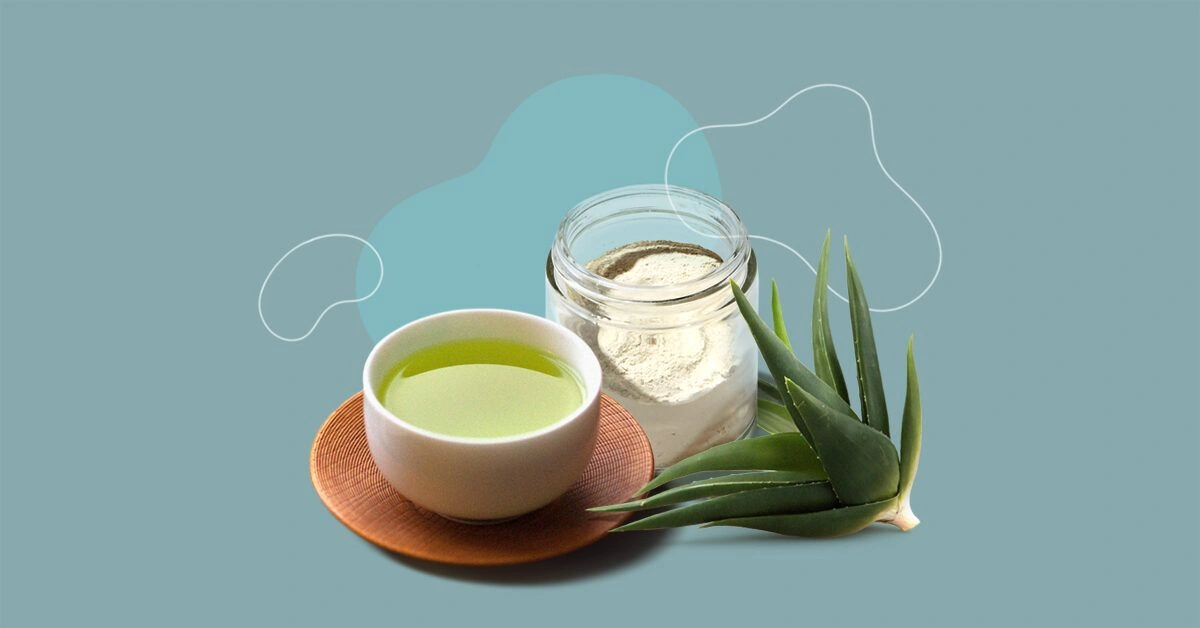
- Blend aloe vera with turmeric or green tea.
- Leave the mask on for 15–20 minutes.
Why it works: “Aloe is a natural calming ingredient,” Robinson says. “It can be helpful if acne is very inflamed and irritated, to soothe the skin.”
Aloe also contains naturally occurring salicylic acid and sulfur, which can help fight acne, particularly for people with oily skin.
The added turmeric or green tea in this mask helps with oil control and reduces sensitivity.
Bonus: Aloe may also have internal benefits. A 2014 study reported that drinking aloe vera juice could improve mild-to-moderate acne.
Leftover oatmeal mask
Directions
- Cook oats with water as you would for breakfast, then cool the mixture completely before applying to skin. (Don’t add sugar.)
- Leave the oatmeal mask on for 20–30 minutes.
Why it works: Oats possess antioxidant and anti-inflammatory qualities. Oat bran specifically is rich in B vitamins, vitamin E, protein, healthy fats, and minerals.
Oatmeal is generally gentle and effective for skin concerns; try adding a few drops of tea tree oil or some turmeric for enhanced effects.
Before you apply anything to your faceBe sure your skin is clean and pores are prepped. To relax the skin, gently steam your face with a warm towel to help lift dead skin cells and debris. If you have rosacea, psoriasis, or severe acne, consult a dermatologist first. If you can’t see a professional, skip steaming to avoid a possible reaction.
HealthEH’s picks for the best face masks for acne
Sometimes a homemade mix won’t be strong enough. For more potent results, over-the-counter products can be more effective.
Pricing guide
- $ = under $25
- $$ = $25–$45
- $$$ = over $45
Aztec Secret Indian Healing Clay

- Price: $
- Key ingredient: natural calcium bentonite (green) clay
This pure calcium bentonite clay is the foundation of many at-home acne masks. We like that you can customize it by adding ingredients like tea tree oil, rose water, or apple cider vinegar.
Research from 2017 found bentonite clay to be an effective detoxifier and skin protector.
Peter Thomas Roth Therapeutic Sulfur Mask

- Price: $$$
- Key ingredients: sulfur, kaolin & bentonite clay-V, aloe vera
This mask contains 10% sulfur, a natural antimicrobial that has been shown to treat acne effectively.
“Sulfur is a great anti-inflammatory,” Robinson says. “It can be particularly helpful for torso acne.”
Dermalogica Sebum Clearing Masque

- Price: $$$
- Key ingredient: salicylic acid
This formula combines salicylic acid, a standard acne-fighting ingredient, with zinc, an anti-inflammatory mineral that can soothe redness and irritation.
The clay helps draw oil out of the skin while the other ingredients promote exfoliation without harshness.
Paula’s Choice Radiance Renewal Mask

- Price: $$
- Key ingredients: bearberry, vitamin C
This overnight mask contains niacinamide, which has been found to be an effective treatment for reducing acne.
“Niacinamide is a B vitamin [that’s] a great anti-inflammatory and can help reduce redness or erythema of the skin,” Robinson says. “This can be particularly helpful for patients experiencing post-inflammatory redness as their acne clears.”
Use this mask at least once weekly on clean skin as the final step of your nighttime routine. Apply a generous layer to face and neck, keep it on overnight (or at least 20 minutes), then rinse thoroughly.
De La Cruz 10% Sulfur Ointment

- Price: $
- Key ingredient: sulfur
This oil-free, vegan treatment washes off in 10 minutes. Sulfur is the main active and this simple product provides strong performance without extra frills.
The noncomedogenic formula is free from artificial fragrance and color. Apply a thin layer to affected areas 1–3 times daily, leave for 10 minutes, then rinse off.
GLAMGLOW SUPERMUD Clearing Treatment

- Price: $$
- Key ingredients: activated charcoal, kaolin clay, eucalyptus leaves
This well-known mask includes several acids that encourage cell turnover and clear congested pores.
Key components include kaolin (a gentle white clay), mandelic acid (a mild exfoliant), and eucalyptus, which may help support healing and reduce inflammation.
Origins Out of Trouble 10 Minute Mask

- Price: $$
- Key ingredients: zinc oxide, sulfur, camphor
If excess oil is driving your breakout, this formula may help by using active ingredients like zinc and sulfur.
The brand states these components absorb oil, exfoliate, and smooth texture — all in just 10 minutes.
Innisfree Pore Clearing Clay Mask 2X with Super Volcanic Clusters

- Price: $
- Key ingredients: hardened volcanic lava, lactic acid
Oily skin types may benefit from this clay mask, which also works as a spot treatment.
Its main elements include volcanic ash (to absorb excess sebum), kaolin clay, bentonite clays, and lactic acid (a natural exfoliant).
How to keep your skin strong
After masking, it’s crucial to modify your routine so your skin can recover and rebuild. Steer clear of anything that could undermine your progress.
For instance:
- If you use an acid-heavy mask, don’t layer additional acids the same day.
- Avoid over-cleansing your skin before or after treatments.
- Don’t use acne-active ingredients at every step of your routine.
- Always follow with a moisturizer and use sunscreen daily.
Masking can be useful for fighting breakouts, but restrict it to once or twice weekly to avoid over-drying or stripping the skin’s natural defenses.
Many of the masks listed are useful as spot treatments or weekly maintenance, but it’s important to maintain a solid, daily acne-fighting regimen.
Frequently asked questions
What is acne?
Acne is an inflammatory skin disorder that happens when hair follicles beneath the skin are clogged by dead skin cells and sebum. Forms of acne include whiteheads, blackheads, pustules, papules, cysts, and nodules.
How can I clear up my acne?
Severe acne generally requires potent, medicated therapy, while mild to moderate breakouts can often be improved with topical treatments.
See a dermatologist if over-the-counter options aren’t clearing your acne.
How often should I treat acne with a face mask?
Face masks can be strong. Overuse can dry out skin or impair its natural ability to combat acne.
Typically, use a mask one to two times per week, and always follow the directions for the specific product you choose.
Takeaway
Whether you’re dealing with blackheads, whiteheads, pustules, or other acne lesions, the underlying issue is similar: inflamed skin from clogged hair follicles.
Excess oil production and the subsequent bacteria-driven inflammation can have many origins, including hormonal changes or minor infections.
With a clearer grasp of what acne is and the different types, you’re better positioned to try treatments suited to your skin’s situation.
For severe acne, stronger medicated options may be necessary; for milder cases, topical or homemade remedies could help. Numerous DIY masks and commercial products from reputable brands are available to try.












Leave a Reply
You must be logged in to post a comment.