
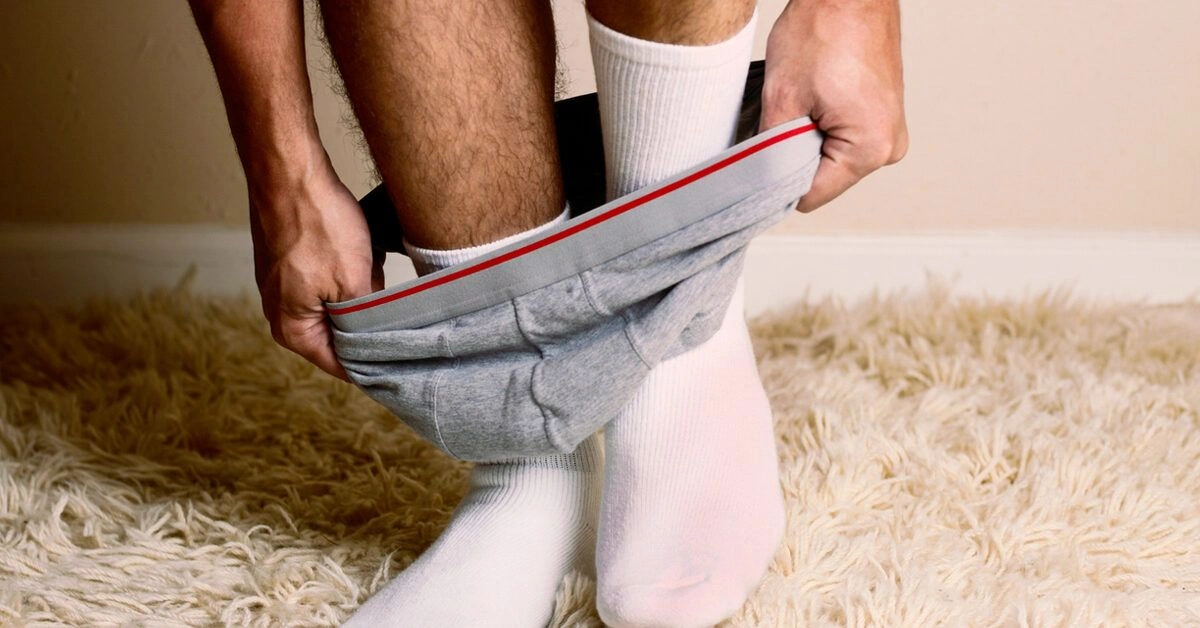
Chafing or friction burns on the penis can result from vigorous sexual activity, masturbation, or wearing snug clothing. Being gentler during sexual activity or self-stimulation can help reduce the risk of friction-related injuries.
Burns happen when the skin meets a very hot source. In the case of friction burns, the heat is generated by rubbing against a rough surface such as carpet, concrete, or fabric.
Estimating how common penile friction burns are is difficult. A 2023 review suggests that 1% to 17% of burns affect the penis, though the authors think this likely overstates the true rate.
Continue reading to learn about the symptoms, causes, treatments, and ways to prevent penile friction burns.

What leads to a friction burn on the penis?
A friction burn occurs when rubbing between skin and another surface generates enough heat to injure the skin. It’s a blend of an abrasion and a thermal burn, according to the Burn and Reconstructive Centers of America.
On the penis, friction burns most often happen when there is intense rubbing, which can create sufficient heat to damage and strip away skin. This can take place during masturbation or sexual activities like foreplay or intercourse.
Using lubrication during sexual activity can lower the chance of friction burns, particularly if these activities are frequent.
Friction burns can also come from contact with softer materials.
For example, consistently wearing tight underwear or pants can cause the penis to rub against fabric and produce a minor friction burn. Vigorous towel-drying after bathing can also lead to similar injuries.
How to recognize a friction burn
Friction burns of the penis may involve any region of the genitalia, including the glans (head), prepuce (foreskin), shaft, and scrotum.
A mild friction burn often causes tenderness, swelling, and redness or other changes in skin color. These typically affect only the epidermis, the outermost skin layer.
In more serious penile friction burns, you may also notice:
- a burning feeling
- wetness
- pain
- blisters
- charred or darkened skin
- reduced sensation in the penis
Keep in mind that these severe signs are more typical of thermal burns from high heat sources.
If only the tip of your penis is inflamed and painful without a clear injury, balanitis is more likely. Balanitis is most often related to a fungal infection or inadequate penile hygiene.
Other symptoms of balanitis can include:
- a tightened foreskin
- discharge
- itching
Friction burn vs. sexually transmitted infection
Friction burns can produce symptoms similar to those caused by sexually transmitted infections (STIs). STDs are STIs that have manifested symptoms.
For example, skin color changes, swelling, and a burning sensation may appear with several STIs, such as:
- chlamydia
- genital herpes
- gonorrhea
- syphilis
- trichomoniasis
However, STIs are caused by bacteria, fungi, or viruses transmitted through sexual contact.
Friction burns, by contrast, occur because of heat produced by rubbing against an abrasive material. Although a friction burn can happen during sex, it is not an infectious process like an STI.
Signs that point more toward an STI than a friction burn include:
- white, yellow, green, or watery discharge from the penis
- pain or burning when urinating or ejaculating
- tender or swollen testicles
- itching or irritation inside the penis
- sores on the penis, rectum, or mouth
If you notice either friction burn symptoms or potential STI signs, consult a healthcare professional. They can assess your condition and recommend appropriate testing and treatment.
Treating a friction burn on the penis
Management of a penile friction burn depends on the extent of the injury and the symptoms present.
A mild penile friction burn will often improve on its own with rest within about one week.
During healing, wear loose, breathable underwear and pants made from soft fabrics. Avoid garments that could continue to rub the area and aggravate it.
Applying a mild moisturizer or a prescribed cream such as 1% silver sulfadiazine may help treat a burn. Always consult a pharmacist or healthcare provider before putting products on the penis.
The skin of the penis is thinner and more delicate than skin elsewhere on the body, so some topical agents used elsewhere can irritate and potentially worsen a friction burn.
If you develop more serious signs—blistering, increased pain, pus, or loss of sensation—seek medical care. In rare cases, doctors may recommend debridement (removing dead tissue) or skin grafting for severe friction injuries.
Also refrain from sexual activity and masturbation until the skin has fully healed. Resuming too soon can aggravate the injury or cause complications.
Preventing friction burns and other irritation
These tips can help you avoid penile friction burns and related irritation:
- Be gentler when masturbating or having sex. If your penis is painful, stop or reduce the intensity of rubbing.
- Use a water-based lubricant or a prelubricated condom during partnered sex and solo play to cut down on friction. Avoid oil-based lubricants, which can weaken condoms.
- Maintain penile hygiene. Wash daily with warm water and mild soap. If you have an intact foreskin, gently retract it to clean underneath. Also wash the base of the penis and the scrotum.
- Watch for a thick white buildup called smegma under the foreskin. If it accumulates, bacteria can grow and cause balanitis.
- Dry the penis carefully. Pat dry rather than rubbing with a towel.
If you frequently get penile friction burns, consult a clinician. They may suggest additional strategies tailored for you, and can also evaluate for related concerns like penis irritation or penile discoloration where appropriate.
When to see a healthcare professional
Most friction burns can be managed at home, but monitor for more worrisome signs.
Seek prompt medical attention if you experience:
- yellow or green discharge from the penis
- pain or burning when urinating
- a painful or itchy rash, blisters, or warts that do not improve
- pain during sexual activity
Key takeaways
Friction burns are usually caused by the heat generated when skin rubs forcefully against an abrasive surface.
Penile friction burns can happen during intense sexual activity or from tight clothing. Symptoms often include discoloration, swelling, and tenderness.
If you suspect a friction burn on the penis, consult a healthcare provider for diagnosis and guidance on treatment.
















Leave a Reply
You must be logged in to post a comment.