
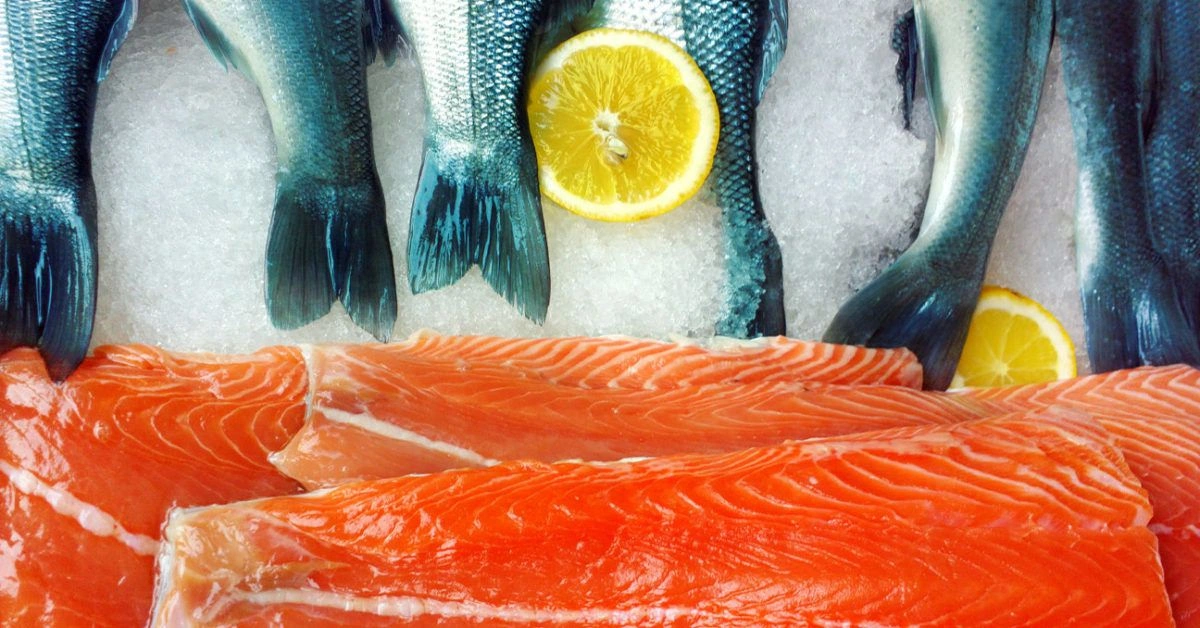
The most wholesome fish varieties are those rich in omega-3 fats and contain lower amounts of mercury contamination, such as Alaskan salmon.
Overview
Fish is a nutritious, protein-dense food, particularly valued for its omega-3 fatty acids — essential fats our bodies cannot manufacture on their own.
Omega-3s are crucial for both brain and cardiovascular well-being. They help reduce inflammation and lower the likelihood of heart disease. These fats are also vital for fetal development during pregnancy.
The American Heart Association (AHA) suggests consuming fish at least twice weekly, especially fatty varieties like salmon, lake trout, sardines, and albacore tuna, which are rich in omega-3s.
However, there are some hazards linked with frequent fish consumption. Pollutants such as mercury and polychlorinated biphenyls (PCBs) enter rivers, lakes, and oceans from household and industrial waste streams, and they build up in the fish that inhabit those waters.
The Environmental Protection Agency (EPA) and FDA have published joint recommendations targeted at women of childbearing age, pregnant and nursing women, and children.
These advisories recommend that these groups avoid fish known to have higher mercury levels, typically including:
- shark
- swordfish nutrition
- king mackerel
- tilefish
The 12 standout fish below made our “best fish” roster not only because they offer excellent nutrition and relatively low contaminants but also because they’re environmentally responsible — either sustainably landed or farmed and not subject to overfishing.
1. Alaskan salmon
There’s an ongoing discussion about whether wild or farmed salmon is preferable.
Farmed salmon generally costs less, but it may have lower omega-3 levels and fewer micronutrients unless it’s been fortified.
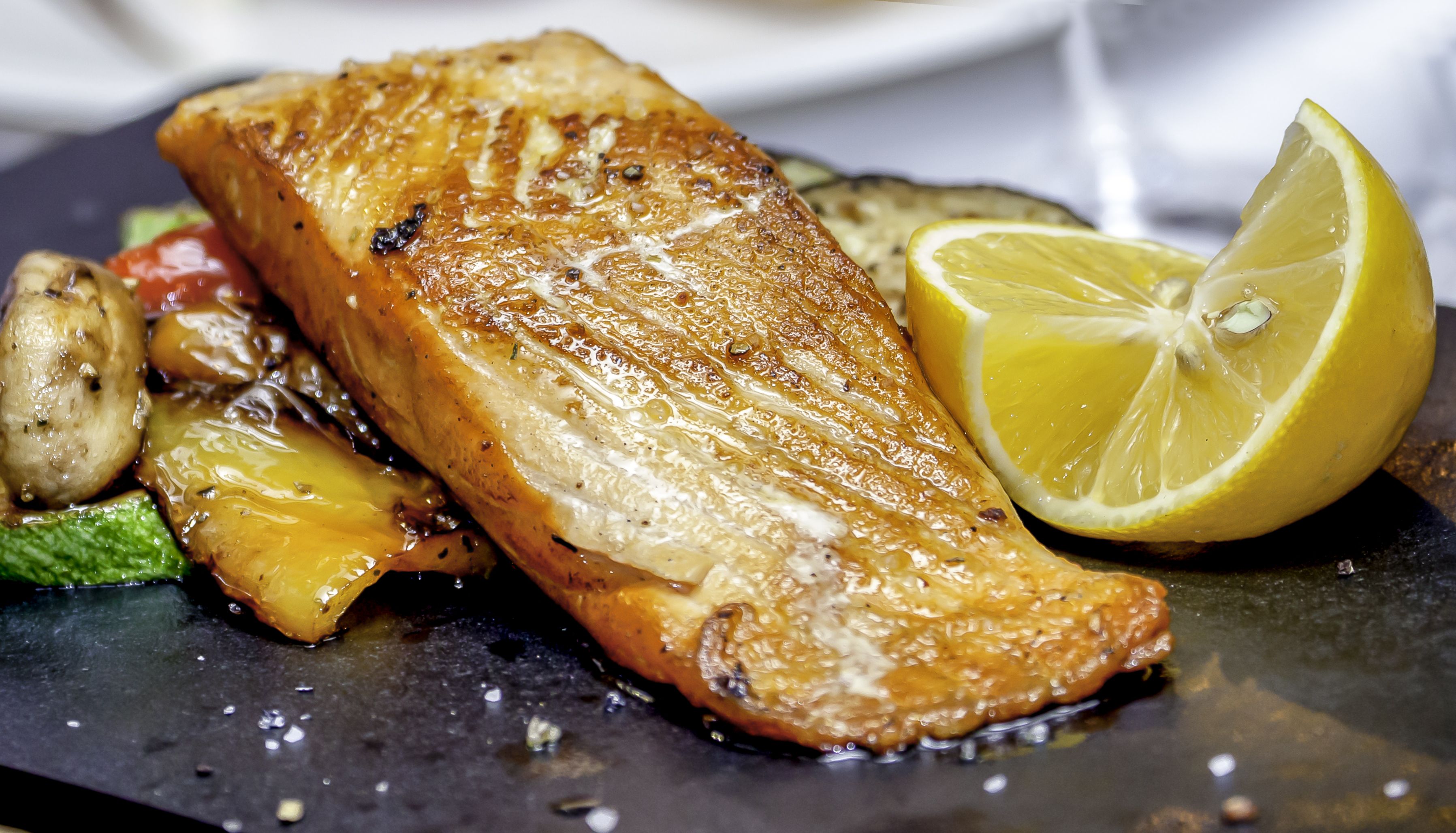
Salmon is an excellent dietary choice overall, but if your budget permits, choose wild-caught. For a simple entrée, try this grilled salmon recipe with a sweet-and-tangy glaze.
2. Cod
This flaky white fish supplies good amounts of phosphorus, niacin, and vitamin B12. A 3-ounce cooked portion delivers about 15 to 20 grams of protein.
Pair cod with a piccata-style sauce for a complementary flavor, as shown in this recipe.
3. Herring
Herring is an oily fish akin to sardines and is particularly tasty when smoked. Keep in mind smoked varieties are high in sodium, so enjoy them sparingly.
Jamie Oliver’s Mediterranean-style herring linguine uses fresh herring in this recipe.
4. Mahi-mahi
Mahi-mahi is a firm, tropical fish that stands up well to many cooking methods. Although it’s sometimes called dolphinfish, it’s not related to the marine mammal dolphin — they’re entirely different.
Consider making blackened mahi-mahi tacos with chipotle mayo for a tasty dinner option.
5. Mackerel
Unlike lean white fish, mackerel is oily and abundant in beneficial fats. Avoid king mackerel due to its higher mercury levels; choose Atlantic or smaller mackerel species that tend to have less mercury.
See these recipes for inspiration.
6. Perch
Perch is another white fish with a medium texture and can be sourced from either salt or freshwater. Its mild flavor pairs nicely with a seasoned panko crust, like in this recipe.
7. Rainbow trout
Farmed rainbow trout can be a safer pick than wild because it’s cultivated in controlled environments that reduce exposure to contaminants. The Monterey Bay Aquarium Seafood Watch lists it as one of the top seafood choices environmentally.
Try some of these tasty trout recipes.
8. Sardines
Sardines are another oily fish loaded with vitamins. Canned sardines are widely available and can be more nutritious because you eat the whole fish — bones and skin included — which are largely softened in the canning process.
Top a salad with canned sardines for a quick, nutrient-dense meal.
9. Striped bass
Striped bass, whether farmed or wild, is generally a sustainable option. It has a firm but flaky texture and offers a robust flavor.
Give this bronzed sea bass with lemon-shallot butter a try.
10. Tuna
Tuna, whether fresh or canned, is a popular choice. For fresh tuna, pick cuts that look glossy and smell like the sea. It’s simple to cook — often just a quick, high-heat sear.
People are advised to limit consumption of yellowfin, albacore, and ahi tuna because of their higher mercury content. When buying canned tuna, prefer “chunk light” (typically skipjack), which almost always has lower mercury than white (albacore) tuna.
11. Wild Alaskan pollock
Alaskan pollock is caught wild in the northern Pacific. Its mild taste and delicate texture make it a common choice for fish sticks and other battered seafood products.
Try this garlic butter poached pollock recipe.
12. Arctic char
Arctic char belongs to the salmon family and resembles salmon in appearance. Its flavor sits between salmon and trout, leaning slightly toward trout. The flesh is firm with a fine flake and relatively high fat content, ranging in color from deep red to pale pink.
Most farmed Arctic char are raised in onshore tanks that tend to cause less environmental pollution than coastal pens. Try this easy baked maple-glazed Arctic char.
The takeaway
Eating a variety of fish several times each week supplies many nutrients important for a balanced diet.
If you are pregnant, breastfeeding, or have specific health concerns, consult your healthcare provider before regularly eating fish that may contain mercury.






















Leave a Reply
You must be logged in to post a comment.