
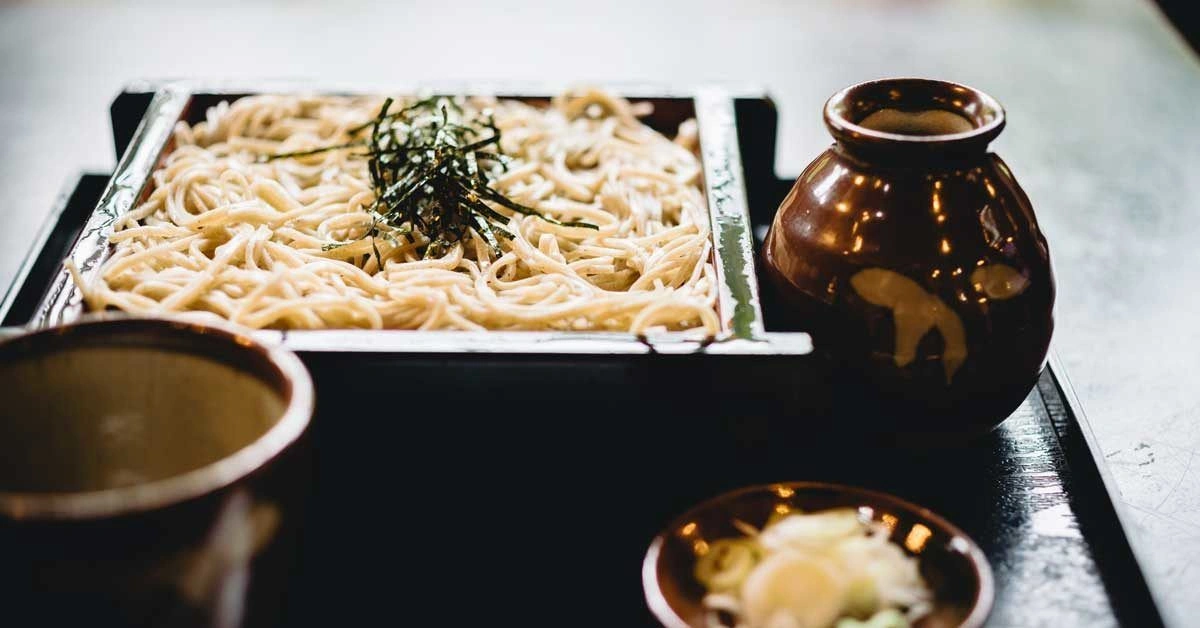
Soba noodles are made wholly or partly from gluten-free buckwheat flour, a seed linked with benefits for heart health, blood sugar control, inflammation reduction and cancer prevention. Nutritionally, they resemble whole-wheat spaghetti and provide a solid plant-based protein option.
The word soba in Japanese refers to buckwheat, a nutritious, grain-like seed that is gluten-free and — contrary to what the name suggests — not related to wheat.
Soba noodles can be produced using only buckwheat flour and water, but more commonly they include wheat flour and sometimes salt.
Because formulations vary, assessing whether soba noodles are a healthy choice depends on examining their ingredients.
This article explains the key facts you should know about soba noodles.

What Are Soba Noodles?
You’ll encounter various brands and types of soba noodles in stores and online, and important distinctions exist between them.
The most traditional variety — often termed juwari soba — consists solely of buckwheat flour and water, with buckwheat the only ingredient listed on the package.
However, many soba noodles are prepared using refined wheat flour alongside buckwheat. Noodles labeled as 80% buckwheat and 20% wheat are sometimes referred to as hachiwari.
Some products marketed as soba contain more wheat flour than buckwheat; this is the case when wheat is listed first as the primary ingredient.
One reason wheat flour is frequently added to buckwheat is that pure buckwheat dough can be difficult to handle and may produce delicate, breakable noodles.
Incorporating wheat flour, which provides the protein gluten, makes the noodles sturdier and generally less expensive to manufacture.
Be aware that some packaged items labeled soba have little or no buckwheat and instead contain flavorings, salt and other additives. These versions tend to be low-quality and unhealthy.
Summary: Soba noodles may be made entirely from buckwheat or from a mix of buckwheat and refined wheat flour. Check ingredient lists to be sure. The healthiest choice is 100% buckwheat soba.
Soba Noodle Nutrition and Comparison to Spaghetti
To know the exact nutritional profile of soba noodles, inspect the nutrition facts for the specific brand you buy. Depending on their composition, some soba noodles are healthier than others.
Below is a comparison of 2 ounces (57 grams) of dry, 100% buckwheat soba noodles versus the same quantity of 100% whole-wheat spaghetti (1, 2, 3):
| Soba Noodles, 100% Buckwheat | Spaghetti, 100% Whole Wheat | |
| Calories | 192 | 198 |
| Protein | 8 grams | 8 grams |
| Carbohydrates | 42 grams | 43 grams |
| Fiber | 3 grams | 5 grams |
| Fat | 0 grams | 0.5 grams |
| Thiamine | 18% of the RDI | 19% of the RDI |
| Niacin | 9% of the RDI | 15% of the RDI |
| Iron | 9% of the RDI | 11% of the RDI |
| Magnesium | 14% of the RDI | 20% of the RDI |
| Sodium | 0% of the RDI | 0% of the RDI |
| Copper | 7% of the RDI | 13% of the RDI |
| Manganese | 37% of the RDI | 87% of the RDI |
| Selenium | Value not available | 59% of the RDI |
Overall, the nutrient content of 100% buckwheat noodles closely matches that of whole-wheat spaghetti — either can be a nutritious option.
It’s notable, though, that the protein in buckwheat used for soba has a higher quality than wheat protein, meaning the body can utilize buckwheat protein more efficiently (4).
Buckwheat is particularly rich in the amino acid lysine, which is relatively scarce in many plant proteins such as wheat, corn and nuts. That characteristic makes buckwheat valuable in diets that exclude animal-derived proteins (5, 6).
Summary: A serving of 100% buckwheat soba is nutritionally similar to whole-wheat spaghetti, but it offers higher-quality protein.
Soba Noodles Contain Potent Plant Compounds With Health Effects
Consuming buckwheat has been associated with improvements in blood sugar regulation, cardiovascular health, inflammation and cancer prevention. These benefits may stem from buckwheat’s plant compounds, such as rutin and other antioxidants, along with its fiber content (7, 8, 9, 10).
A review of 15 studies found that healthy adults and those at higher risk of heart disease who consumed at least 40 grams of buckwheat daily for up to 12 weeks experienced an average reduction of 19 mg/dL in total cholesterol and 22 mg/dL in triglycerides (11).
Rutin in buckwheat has demonstrated cholesterol-lowering properties, partly by decreasing absorption of dietary cholesterol in the intestine (9, 10, 11).
Buckwheat generally has a lower glycemic index than some other carbohydrate foods, meaning it may cause smaller post-meal blood sugar spikes — a potential advantage for people managing blood sugar or diabetes (11, 12, 13).
In one Japanese trial, a 50-gram portion of soba noodles had a GI of 56, compared with a GI of 100 for white rice, used as the high-GI reference (14).
Summary: Eating buckwheat has been linked to advantages for blood sugar, heart health, inflammation and cancer prevention, likely due to its fiber and plant compounds like rutin.
Who Should Consider Eating Soba Noodles?
Genuine, 100% buckwheat soba noodles are a nutritious option for most people and may be particularly useful for those sensitive to gluten, the protein found in wheat, barley and rye.
If you have celiac disease or non-celiac gluten sensitivity, buckwheat makes a suitable noodle alternative because it’s naturally gluten-free and generally more nutrient-dense than some other gluten-free choices such as rice noodles (11, 15, 16).
As noted earlier, buckwheat flour is often blended with wheat flour in soba noodles.
Therefore, if you need to avoid gluten, confirm that the product is genuinely gluten-free and that the manufacturer has taken steps to prevent cross-contact with gluten-containing grains (17).
If you haven’t eaten buckwheat before, be aware that buckwheat allergy can occur. It is a notable food allergen in countries like Japan and Korea where buckwheat consumption is common (18).
Summary: Pure, 100% buckwheat soba noodles are a healthy choice for most people and are naturally gluten-free when made only with uncontaminated buckwheat. Keep in mind that buckwheat allergy is possible.
Where to Buy and How to Cook and Use Soba Noodles
Soba noodles are typically available in the international aisles of supermarkets, Asian grocery stores, health food shops and online.
Pure buckwheat soba has an earthy, mildly nutty taste and can be eaten hot or cold.
Cooking instructions for dried soba vary by brand, so follow the directions printed on the package.
Most soba noodles take around 7 minutes to cook in boiling water. Stir occasionally during boiling to keep them from clumping. Aim for al dente — tender but still slightly firm.
After cooking, drain the noodles and rinse under cold running water to halt the cooking process, even if you intend to serve them warm.
Soba is often served chilled with a dipping sauce, and also features in broths, soups, stir-fries and salads tossed with vegetables and sesame dressing, for instance.

In Japan, it’s customary to drink the noodles’ cooking water, known as sobayu, at the end of a meal by mixing it with leftover dipping sauce (tsuyu). This helps retain water-soluble nutrients like B vitamins that leach into the cooking water.
You can also use soba as a substitute in Italian-style dishes, combined with tomatoes, basil, olive oil and garlic.
Summary: Soba noodles are sold in supermarkets, Asian stores, health food shops and online. Cook them until tender-yet-firm, rinse with cold water, and serve in Asian recipes or with Mediterranean flavors.
The Bottom Line
Soba noodles are made fully or partly from gluten-free buckwheat flour.
They have a nutrition profile similar to whole-wheat spaghetti and are a good plant-based protein source. Noodles made mostly from refined wheat are less nutritious.
Buckwheat has been associated with benefits for heart health, blood sugar control, inflammation and cancer prevention.
If you want to vary your usual spaghetti or noodle choices, soba noodles are a worthwhile alternative to try.





















Leave a Reply
You must be logged in to post a comment.