

Is it possible?
It’s well known that masturbating can ease tension, help you sleep more soundly, and lift your spirits. But did you realize that self-pleasure can also torch some calories?
Accounts suggest that a single solo session can expend, at a minimum, about five to six calories. How much you burn depends on how long, vigorous, and intense the session is — and whether you reach orgasm.
That said, don’t ditch your gym membership. Even with increased effort, the calories burned won’t substitute for a regular workout.
Continue reading to learn why this sexual exploration can shave off a few calories and how to amp things up a bit.
What’s the theory behind this?
Think of masturbation as a form of exercise. When you engage in solitary play, your circulation increases and your heart rate rises. The longer and more energetic the session, the more calories you’re apt to use. You expend the most energy at orgasm, so you may burn more calories during climax.
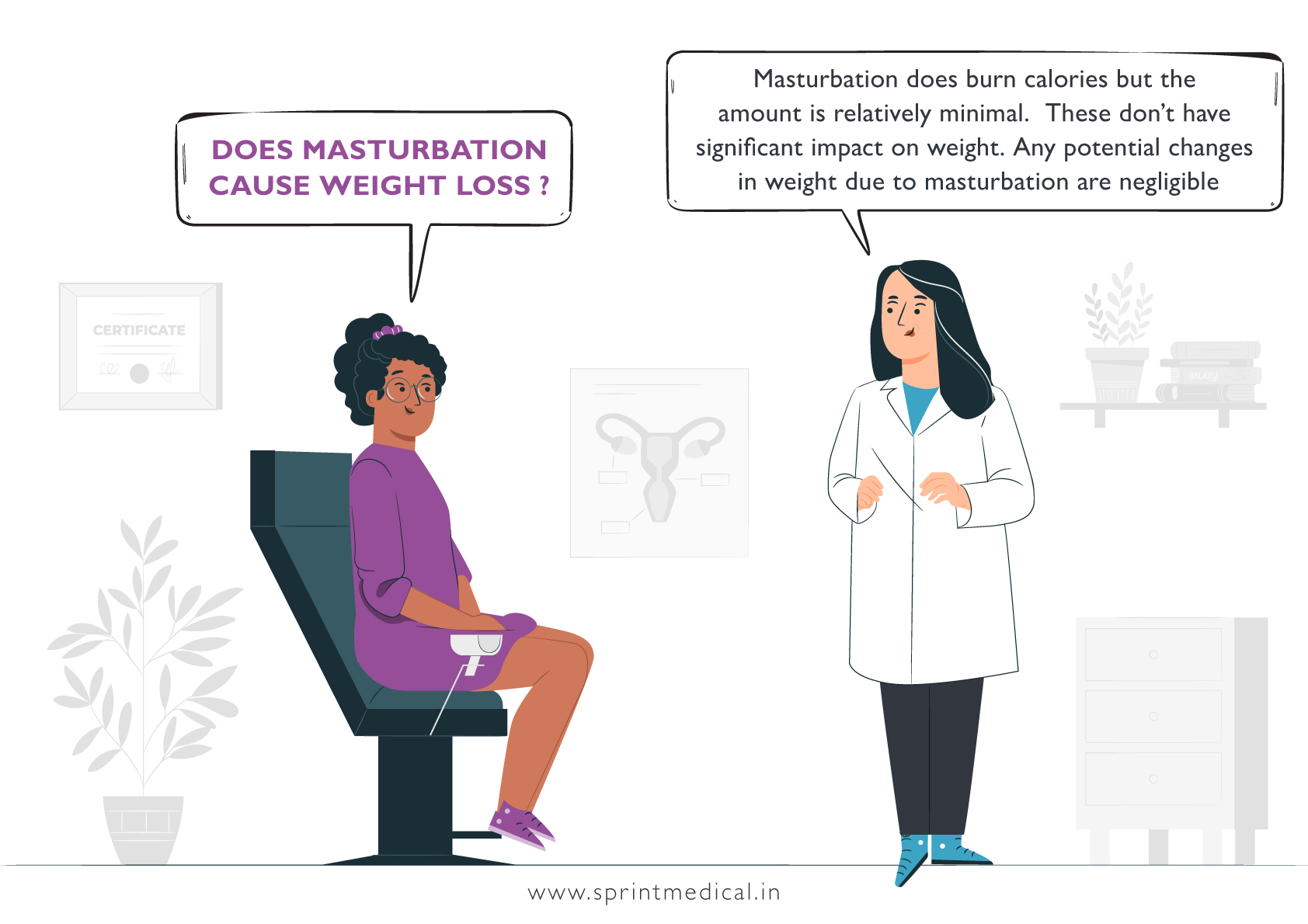
But — and this is an important caveat — masturbation usually isn’t as intense as activities like partnered sex or treadmill running. You’re unlikely to expend as many calories as you would during sensual activity with another person. For context, studies indicate that a 175-pound person can burn up to 200 calories in a 40-minute sexual encounter.
What can you do to burn more calories?
The secret to burning more calories while masturbating is to remain actively involved. That means cranking up the intensity to get your circulation going.
Time, force, posture, actions, and the duration of orgasm all influence how many calories you use during self-stimulation.
Although taking a slow route to climax might seem preferable, being passive won’t raise your heart rate, regardless of how long you spend masturbating.
Instead, concentrate on your actions. Techniques likely to increase calorie burn include:
- moving your fingers with greater speed and pressure
- vigorously using a toy on the clitoris and internally
- experimenting with positions, such as the imagined partner pose or squatting, while employing toys
- stimulating other erogenous areas while focusing on clitoral and vaginal pleasure
Are there other health benefits?
Burning calories isn’t the only possible physical perk of masturbating. Research and personal accounts suggest that solo sessions may help you:
- improve pelvic floor muscle tone
- strengthen anal-region muscles
- ease cramps and muscle tightness
- alleviate lower back discomfort during pregnancy
- support immune function
- promote sleep
- enhance sexual experiences
- reduce prostate cancer risk
On top of that, studies show that self-stimulation can positively influence mental wellbeing. Masturbating may help you:
- relieve accumulated stress
- boost your mood
- calm and relax
- experience pleasure
- release sexual tension
- clarify your desires and needs
- experiment with different fantasies
And remember: masturbation provides sexual release without the dangers of unplanned pregnancy or sexually transmitted infections.
The bottom line
Solo play is an enjoyable, natural, and safe way to learn about your body, practice self-care, and discover what arouses you. The fact that masturbation can also burn a few calories is simply an extra benefit.
Of course, you won’t shed large amounts of weight from a few nights of “me time” each week, but getting your blood flowing and heart rate up during a solitary session is beneficial for health. With so many additional advantages to self-pleasure, there’s no reason not to indulge as often as you like.

















Leave a Reply
You must be logged in to post a comment.