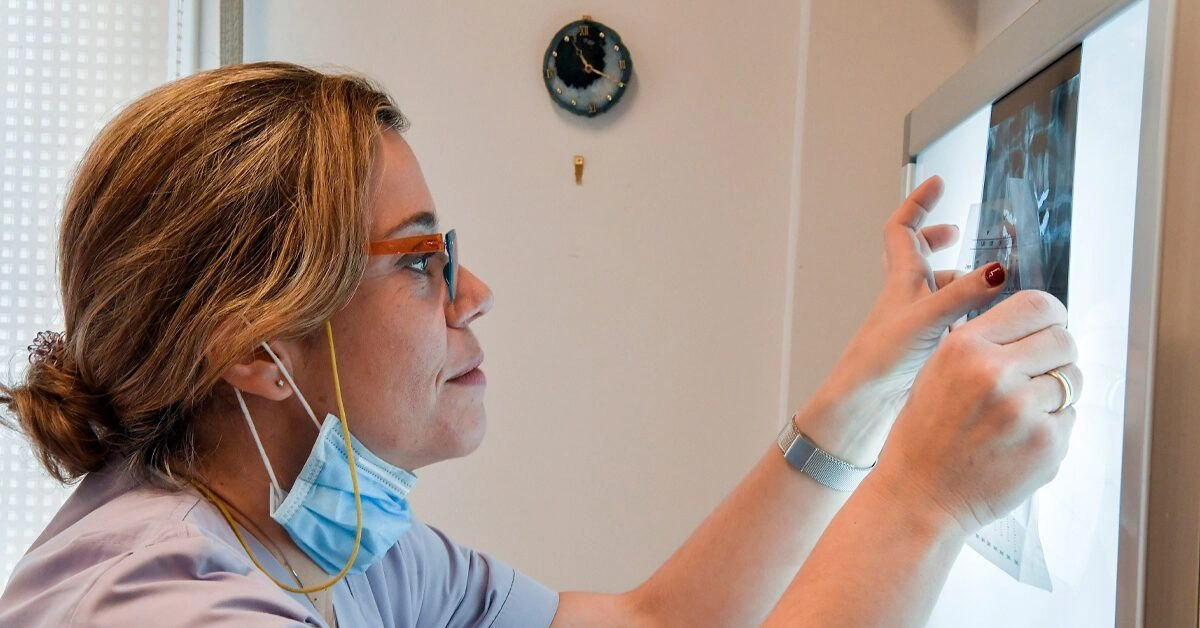
What You Need to Know About a Flipper Tooth (Temporary Partial Denture)


If you’ve lost teeth, there are several ways to restore the look and function of your smile. One option is a flipper tooth, often referred to as an acrylic removable partial denture.
A flipper tooth is a removable appliance that rests against the roof of your mouth (the palate) or sits on the lower jaw, with one or more artificial teeth attached.
When worn, it recreates the appearance of a complete smile, even if teeth have been lost because of injury, extraction, or decay.
A flipper tooth serves as a temporary partial denture you obtain through your dentist. It begins with an impression of your mouth taken using a pliable material.
The impression is forwarded to a dental laboratory, which fabricates a custom flipper tooth tailored to your mouth and designed to fill tooth gaps with prosthetic teeth. The base of a flipper tooth is typically crafted from acrylic dental-grade resin.
If you’re missing one or several teeth, you may be weighing prosthetic options. Below is what to understand about flipper teeth and other tooth replacement choices so you can select what’s right for you.
Benefits of a flipper tooth
There are several advantages to choosing a flipper tooth as a prosthetic. These include:
- Cost-effectiveness. They’re generally cheaper than many other forms of partial dentures.
- Appearance. They tend to look fairly natural.
- Fast turnaround. Once your dentist takes an impression, you usually won’t wait long for your flipper tooth.
- Simple to use. You simply insert your flipper tooth when needed.
- Helps stabilize adjacent teeth. It can reduce the likelihood that nearby teeth will shift.
Can you eat with a flipper tooth?
Missing teeth can make eating difficult. With a flipper tooth, you’ll typically be able to eat and chew far better than without one.
That said, exercise caution while eating since flipper teeth are fashioned from lightweight, somewhat fragile materials that can fracture if mistreated.
Drawbacks of a flipper tooth
Although flipper teeth offer many positives, there are also disadvantages to consider. These include:
- Longevity. They’re made from less costly, less durable materials than other denture types and are more prone to cracking. If a flipper tooth breaks, it will need repair or replacement.
- Discomfort. A flipper tooth may feel awkward at first, making speaking or eating feel unusual. If it causes pain, contact your dentist for an evaluation.
- Possible allergic reaction. Some people may react to the materials used in a flipper tooth, so discuss any allergy history with your dentist.
- Upkeep. Poor cleaning of your flipper tooth can increase your risk of gum disease and tooth decay; diligent hygiene is important.
- Risk of gum recession. Because a flipper tooth covers gum tissue it can reduce saliva flow in that area; saliva helps cleanse gums and slow recession.
- May loosen over time. A flipper tooth grips the surrounding natural teeth, but frequent use can reduce that hold. You may need periodic adjustments from your dentist to restore a proper fit.
Cost of a flipper tooth
A flipper tooth is among the most affordable tooth replacement options. However, its price can fluctuate based on the materials used and how many teeth it replaces.
Typically, a front flipper tooth costs between $300 and $500. If you have dental insurance, it may cover part of the expense. Expect potential extra costs for routine adjustments or repairs.
How to care for a flipper tooth
Maintaining a flipper tooth is straightforward if you follow a consistent care routine. Like any removable retainer, you should clean your flipper tooth daily to remove plaque and food debris.
Use a soft-bristled toothbrush with warm water and a gentle soap such as hand soap or dishwashing liquid. Rinse the flipper thoroughly before reinserting it. Avoid using toothpaste to clean it, since that can damage the surface.

If your flipper tooth causes soreness, feels loose, or is otherwise uncomfortable, contact your dentist for an adjustment. Don’t habitually move the flipper around with your tongue, as that can weaken its fit. Also consider limiting dark-staining foods and drinks such as coffee, cranberry juice, and beets.
When you’re not wearing your flipper tooth, prevent it from drying out to avoid increased brittleness and discomfort. Store it in a denture-cleaning soak or plain water when removed. If you use water, ensure it’s not hot, because high temperatures can warp the acrylic.
Finally, maintain your overall oral health. Keeping your gums and remaining teeth healthy reduces risks of gum disease, recession, decay, sensitivity, and discomfort. Visit a dentist at least twice a year for exams and cleanings, and brush and floss daily.
Are you a candidate for a flipper tooth?
Flipper teeth are usually intended as temporary solutions, often used while waiting for a more permanent replacement like dental implants or a fixed bridge. They’re commonly used to replace front teeth.
Because flipper teeth may feel uncomfortable and can sit less securely, they’re not usually recommended as a long-term option.
However, in some situations a flipper tooth may be the best long-term prosthetic for someone who cannot undergo implants or receive a fixed bridge.
Alternatives to a flipper tooth
If you’re missing teeth, a flipper tooth is only one of several denture choices. Other options include:
Permanent solutions
These alternatives are generally more durable but also costlier:
- Dental bridges. These prosthetic teeth are affixed to adjacent natural teeth or implants using cement, crowns, and bonds rather than being part of a removable denture.
- Dental implants. These are posts surgically anchored into the jawbone that support a prosthetic tooth.
Temporary alternatives
These temporary options are often more expensive than a flipper tooth but may last longer:
- Fixed partial denture. These are partial dentures anchored to healthy remaining teeth and can only be used if suitable teeth exist to secure them.
- Snap-on-smile. A custom partial appliance that fits over existing teeth to the gums without covering the palate.
For some patients, other removable options such as a partial denture may be worth discussing with their dentist based on comfort, budget, and oral health.
Takeaway
A flipper tooth is a practical, low-cost option for temporary tooth replacement for many people. If you’re awaiting a more permanent restorative procedure, a flipper tooth can be a useful interim solution.
If you’re unsure which route to pursue, consult your dentist. They can review the alternatives and recommend the most suitable treatment for your situation.
The Healthline FindCare tool can help you locate dental providers if you don’t yet have a dentist. Also, if gum health is a concern while using a removable appliance, look into home remedies like a gingivitis home remedy to help support your gum care routine.
Frequently Asked Questions
A flipper tooth is a removable acrylic partial denture with one or more prosthetic teeth attached, used as a temporary replacement to restore appearance and basic function.
Clean daily with a soft-bristled brush and gentle soap or denture cleaner; avoid toothpaste. When not wearing it, store the flipper in denture solution or plain cool water to prevent drying and warping.
You can eat most foods, but be cautious with hard or sticky items since the acrylic base and clasps are more fragile than permanent restorations and can break or loosen.
Flipper teeth are designed as temporary solutions and may last months to a few years depending on care, material durability, and changes in your mouth. They are more prone to cracking and may need repairs or replacement.
Schedule a dental visit if the flipper causes persistent soreness, feels loose, is damaged, or if you notice gum irritation or increased mobility of nearby teeth. Regular checkups also help maintain fit and oral health.
Read Next
What Should I Do About a Molar Broken Off at the Gum Line
Hyperdontia: Do I Need to Have My Extra Teeth Removed?

How Does Drinking Soda Affect Your Dental Health?

What Exactly Is a Tooth Piercing?
How Regularly Should You Get Your Teeth Cleaned?
Everything You Need to Know About Fever Blister Remedies, Causes, and More
Related Posts

What You Need to Know About Snap-In Dentures
Aug 12, 2026 • 3 min read
How to Remove Nicotine Stains from Your Teeth
Aug 14, 2026 • 31 min read
Debunking the Myth of Tooth Worms and Other Cavity Causes
Aug 4, 2026 • 17 min read
How Long Will I Have to Sit in the Dentist Chair During a Root Canal?
Aug 19, 2026 • 33 min read
Veneers vs. Lumineers: What’s the Difference?
Sep 11, 2026 • 22 min read