
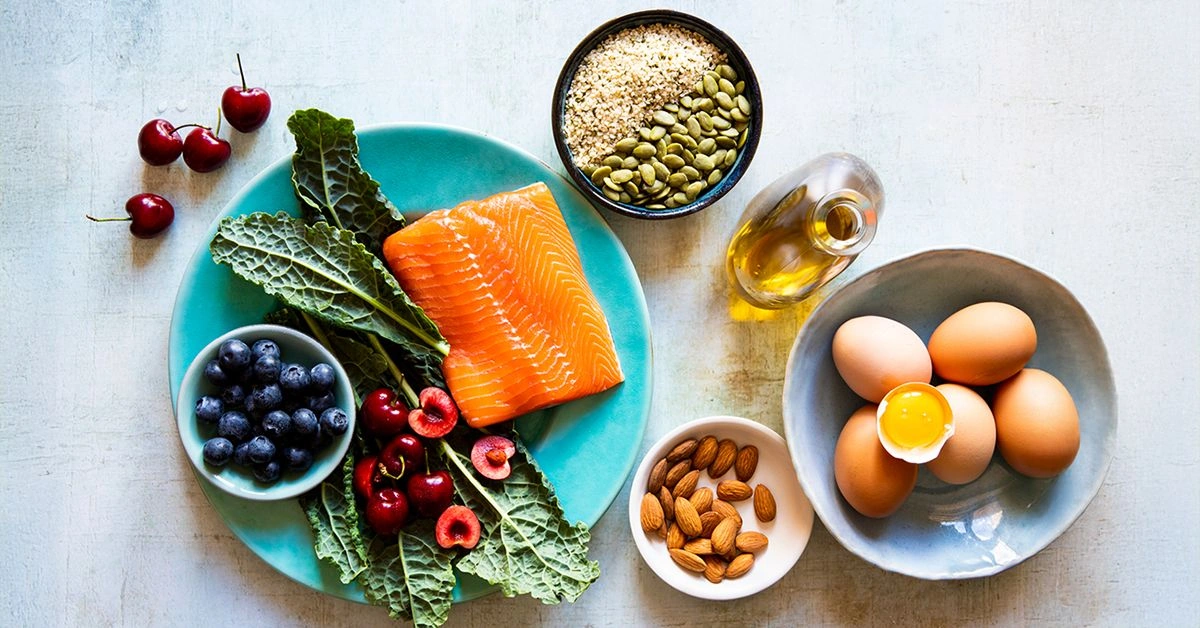
Consuming a well-rounded diet is the most effective approach to enhance and preserve nail health. More studies are necessary to determine whether supplements can reliably replace dietary sources.
Your fingernails reveal a lot about your general health. Nail beds continually generate nail tissue, and sufficient intake of vitamins, minerals, and other nutrients supports the formation, growth, and resilience of new nail cells.

Although many products claim to fortify nails, solid scientific backing is limited. So far, biotin supplements are the only type with some evidence suggesting a possible benefit.
Aim to obtain your nutrients from whole foods, but when that’s not possible, supplements can help you meet requirements and may improve nail condition.
Below are the key vitamins and nutrients important for preserving nail health.
1. Biotin
Biotin is a B-complex vitamin, also called vitamin B7, coenzyme R, or vitamin H. It supports healthy cell turnover and helps metabolize amino acids that build proteins essential for nail growth.
Foods rich in biotin and biotin supplements may help reinforce brittle nails. A few small trials back the use of biotin for this purpose, though these studies date from the late 1980s to the early 1990s.
For instance, a 1993 study , for example, examined 35 individuals with fragile nails and reported that 2.5 mg of biotin daily for six weeks to seven months improved symptoms in 63% of participants.
Biotin deficiency is uncommon. There isn’t a formal Recommended Dietary Allowance (RDA) for biotin, but the Adequate Intake (AI) for adults is set at 30 micrograms (mcg) per day.
Biotin is highest in organ meats like liver, but it is also present in:
- egg yolks
- dairy products
- yeast
- salmon
- avocado
- sweet potato
- nuts
- seeds
- cauliflower
2. Other B vitamins
Vitamin B12 helps with iron absorption and the production of red blood cells. Both iron and B12 play roles in keeping nails robust and healthy.
A lack of B12 can cause completely blue nails, bluish-black discoloration with wavy longitudinal dark streaks, or brownish pigmentation.
Folate (vitamin B9) is also vital for nail growth and health by aiding red blood cell production and new cell formation.
Folate deficiency can lead to changes in nail pigmentation and make nails stiff and brittle.
To avoid deficiencies, adults need 2.4 mcg of vitamin B12 and 400 mcg of folate daily, with higher needs during pregnancy.
Folate is abundant in:
- dark leafy greens
- citrus fruits
- beans
- peas
- nuts
- seeds
- avocado
B12 is mainly found in animal-derived foods like meat, poultry, fish, eggs, and dairy, though it may be added to fortified foods and drinks.
3. Iron
Iron sits at the core of red blood cells that ferry oxygen to organs and every cell in your body — including your nails. Without adequate iron, oxygen delivery to cells is reduced.
An iron shortage or anemia can produce vertical ridges in nails or cause nails to become concave or “spoon-shaped.”
The RDA for iron depends on age, sex, and hormonal changes; most adults need at least 8 milligrams (mg) per day.
Iron from animal sources — such as beef, chicken, fish, and eggs — is absorbed more effectively than iron from plant sources like dark leafy greens, peanuts, seeds, and legumes.
Pairing a plant-based iron source with vitamin C-rich foods can boost absorption. For example, combining oranges or strawberries with a spinach salad containing beans and seeds enhances iron uptake.
4. Magnesium
Magnesium is a mineral involved in over 300 bodily processes, including protein synthesis that’s needed for nail formation. Vertical ridges on nails may indicate low magnesium levels.
The RDA for magnesium varies by age, sex, and hormonal status. Adults generally require between 310 mg to 320 mg per day.
Whole grains, particularly whole wheat, are rich in magnesium. Other sources include:
- dark leafy greens
- quinoa
- almonds
- cashews
- peanuts
- edamame
- black beans
5. Protein
Nails are mostly composed of keratin, a fibrous structural protein that gives nails their strength and flexibility. Keratin also protects nails from damage.
Interestingly, the visible keratin is made of dead cells. Nails form from dead cells that are pushed outward as new cells grow beneath.
Adequate protein intake is crucial to support keratin production and consequently strong nails; insufficient protein can lead to weaker nails.
The RDA for protein is 0.36 grams per pound (lb) or 0.8 grams per kilogram (kg) of body weight daily — about 55 grams for a 150-lb (68-kg) person.
However, the Acceptable Macronutrient Distribution Range (AMDR) permits protein to make up 10% to 35% of daily calories, which can be substantially higher than the RDA.
Protein is available from a wide range of animal and plant foods, such as:
- meat
- poultry
- fish
- eggs
- dairy
- soy products
- beans
- nuts
- seeds
- whole grains
6. Vitamin C
Vitamin C is necessary for producing collagen, a protein that provides structure, strength, and integrity to many tissues and helps form fingernails, hair, and teeth.
Insufficient vitamin C can cause brittle nails and slow nail growth.
Vitamin C is an essential nutrient that the body cannot make. The RDA for vitamin C varies by age, sex, and hormonal status; adults need between 65 mg to 120 mg daily.
Although citrus fruits are well known sources of vitamin C, bell peppers, green vegetables, and tomatoes are also excellent providers.
7. Zinc
Zinc is necessary for numerous bodily reactions, including cell growth and division.
Nails are produced by cells that divide rapidly, so a steady supply of zinc is needed to support healthy nail formation.
Inadequate zinc intake can damage the nail plate and lead to white spots on the nails. Adults typically require 8 mg to 13 mg of zinc per day.
Zinc is available from both animal and plant sources, including:
- beef
- poultry
- fish
- eggs
- soy
- chickpeas
- black beans
- almonds
- cashews
- seeds
The bottom line
Eating a wide variety of vitamins, minerals, and nutrients through whole foods supports nail growth and maintenance, but current evidence indicates that taking supplements may not always provide the same benefit.
Biotin stands out as an exception — biotin supplements might help repair brittle nails.
For strong, glossy nails, prioritize a diverse diet with plenty of fruits, vegetables, nuts, seeds, and sufficient protein. If you’re interested in targeted supplementation, consider researching vitamins for dry eyes as part of a broader nutrient strategy and consult a healthcare provider for personalized advice.

















Leave a Reply
You must be logged in to post a comment.