
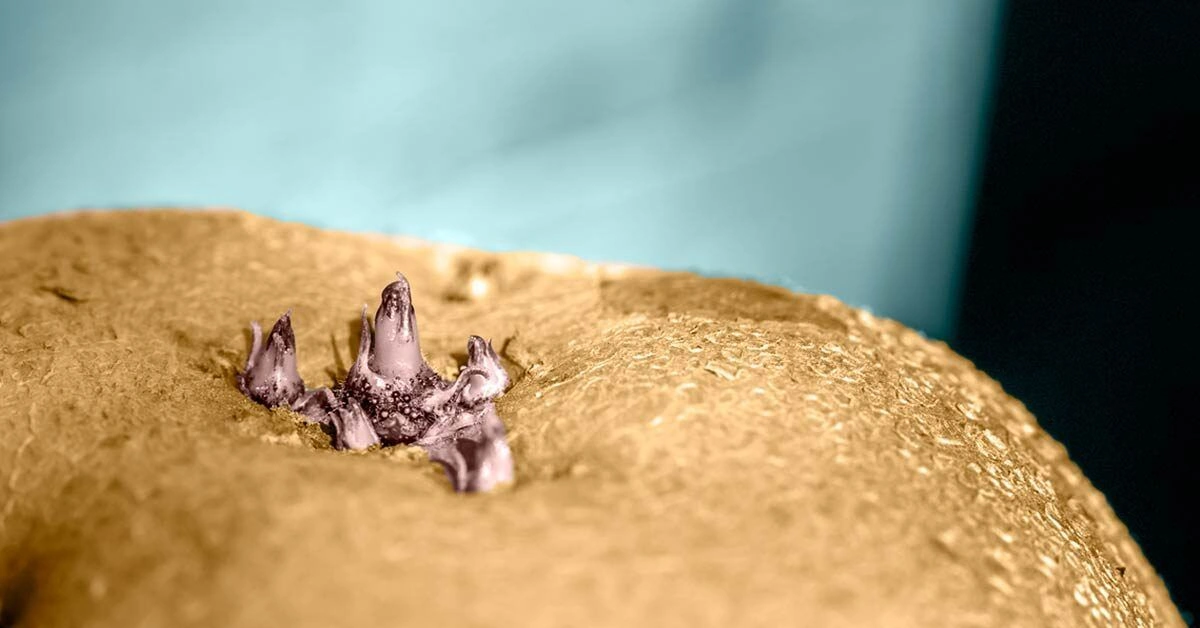
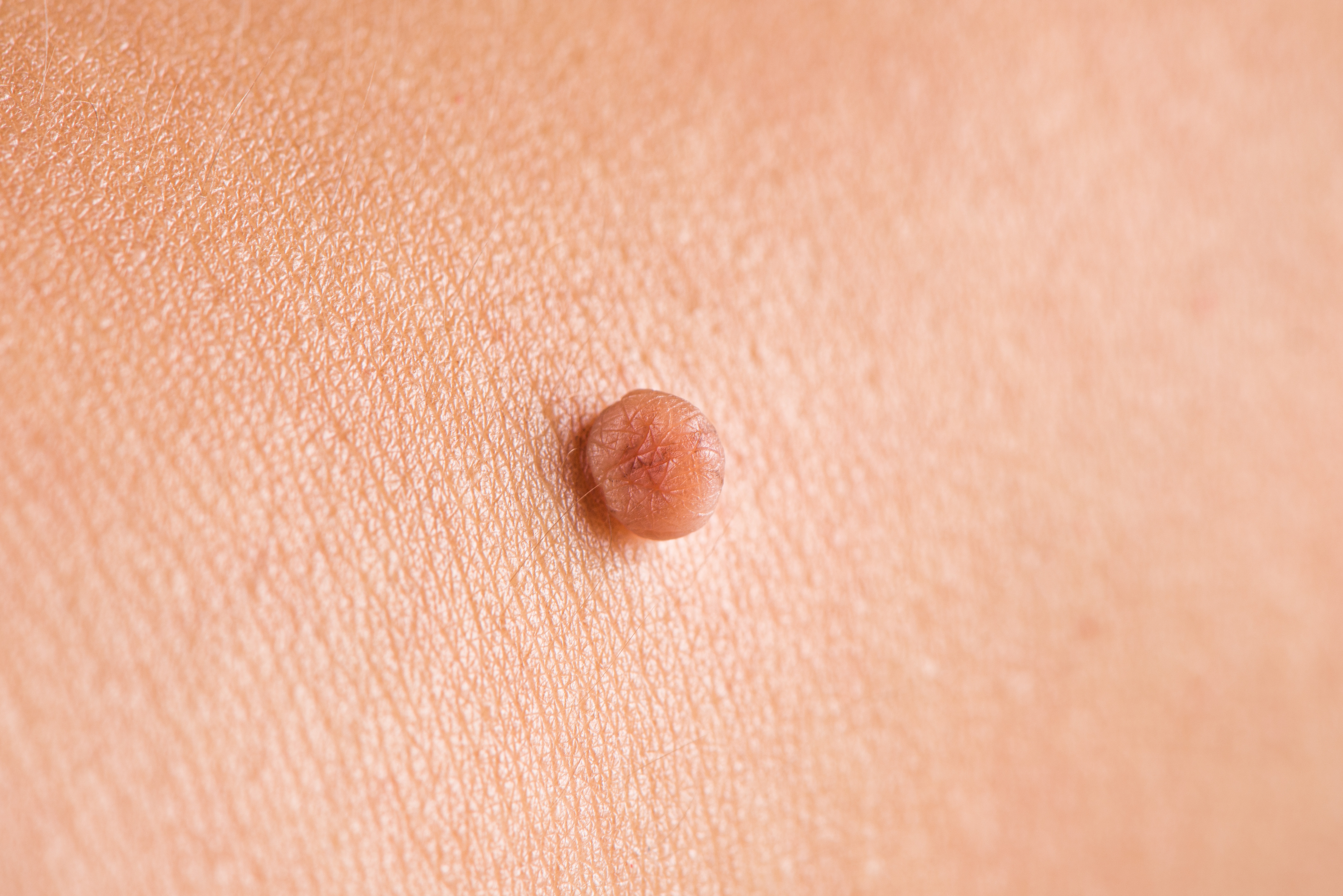
Anal skin tags are a frequent, noncancerous skin issue. They often present as small lumps or raised areas around the anus, and it’s common to notice more than one at a time.
An anal skin tag is simply extra skin tissue that forms around the anus or in the nearby region. They usually don’t cause bleeding or severe pain, though they can become itchy or bothersome.
Skin tags typically begin as small nodules but can enlarge over time. Factors that contribute to growth include repeated irritation from cleaning or healing after clotted hemorrhoids or anal fissures.
This article examines how anal skin tags develop and what to expect from removal and recovery.
What leads to anal skin tags?
The skin near the anus is often looser than skin elsewhere on the body because it must stretch during bowel movements to allow stool to pass.
If a blood vessel close to the anus enlarges or swells, it can form a hemorrhoid. The surplus skin produced by a hemorrhoid can remain as a skin tag. That extra tissue may persist even after the swelling subsides.
Bulging or swollen veins can result from:
- straining from constipation
- frequent diarrhea
- lifting heavy objects
- strenuous exercise
- pregnancy
- blood clots in or near the anus
- excessive irritation or friction in the area
If you’ve experienced hemorrhoids or other vascular issues around the anus, you may be at higher risk for anal skin tags.
Inflammatory conditions like Crohn’s disease can also cause skin tags due to chronic inflammation. In a 2020 study of 103 hospitalized patients with Crohn’s disease, roughly 29% had anal skin tags.
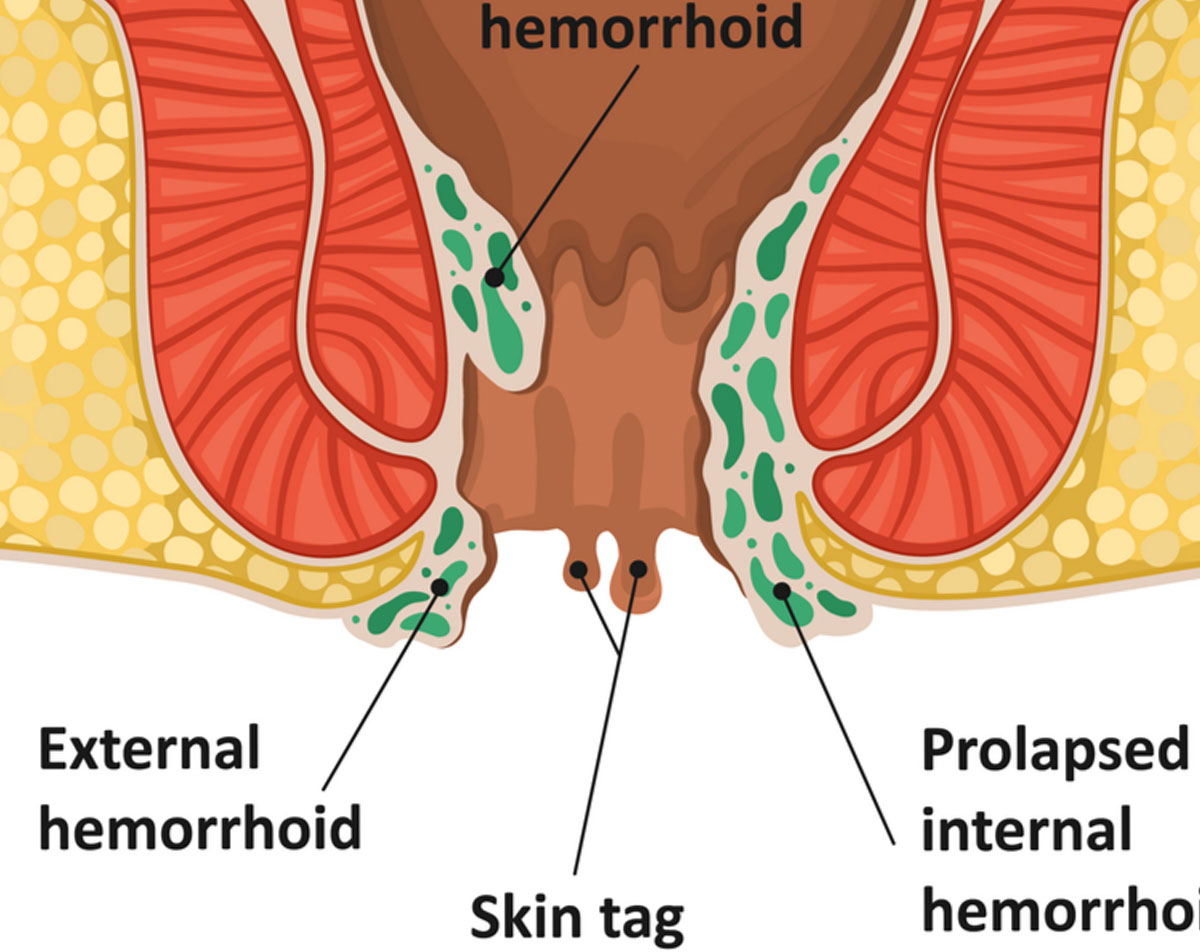
Anal skin tags vs. hemorrhoids: Distinguishing features
Hemorrhoids are swollen or enlarged veins. When anal or perianal veins swell, they can prolapse, meaning they bulge out of the anus.
Because of their proximity, hemorrhoids are sometimes mistaken for anal skin tags. Key differences that help tell them apart include:
- Pain: Anal skin tags are typically painless. Hemorrhoids, however, can be quite painful, though not always.
- Bleeding: Hemorrhoids often bleed with even minor contact, whereas skin tags generally do not.
- Color: Hemorrhoids tend to be red or purple; skin tags usually match your normal skin tone.
Anal skin tags vs. warts: How to differentiate
Anal warts may also appear in the anal region, frequently due to human papillomavirus (HPV) infection. To tell them apart from anal skin tags:
- Size: Anal skin tags usually grow to a few centimeters at most. Warts can expand beyond this and potentially cover considerable areas around the anus and even spread to the genital area.
- Burning sensation: Skin tags might itch or be slightly uncomfortable because of the extra tissue. Anal warts often cause a burning itch and may bleed after friction.
- Surface texture: Larger warts often have a coarse, cauliflower-like appearance. Skin tags have a texture similar to surrounding skin, though they may be slightly wrinkled.
If you’re uncertain whether bumps around your anus are skin tags or another issue, seek medical evaluation.
How are anal skin tags diagnosed?
Although anal skin tags are harmless, they can be concerning. It’s wise to have a doctor verify that a lump is a skin tag and not another condition, such as a tumor or clot.
Diagnosis typically begins with a physical exam. During this check, you may be asked to remove underwear and lie on your side. The clinician will visually inspect the anus for signs consistent with a skin tag.
A digital rectal exam may also be performed, in which the doctor inserts a gloved finger into the rectum to feel for masses or bulges.
If more information is needed, your doctor might use one of two procedures to visualize the anal canal and rectum.
An anoscopy or a sigmoidoscopy can help rule out deeper rectal conditions, including cancer.
The physician may also take a tissue sample or biopsy and send it to a lab for further analysis.
After confirming the diagnosis, your doctor can discuss treatment choices. Some clinicians recommend removing anal skin tags, while others may advise leaving them alone. The decision depends on the tag’s appearance, cause, and symptoms. Some tags don’t resolve quickly.
How are anal skin tags removed?
Treatment involves excising the extra tissue.
What to expect during removal
Anal skin tag removal is commonly done in an outpatient clinic. Because skin tags are external to the anus, they are usually straightforward to access and remove. Hospital admission is rarely necessary.
For the procedure, a local anesthetic is typically injected around the tag to numb the area. You may also be offered a mild sedative to ease anxiety. The area will be cleansed with an antiseptic before removal.
Removal is generally quick. A clinician may trim away the excess tissue with surgical scissors.
Some providers opt for alternative methods such as laser therapy or cryotherapy instead of cutting. Cryotherapy uses liquid nitrogen to freeze the tag, which typically falls off after several days. Laser treatment vaporizes the tag, and any residual tissue sloughs away.
To lower the likelihood of complications, doctors sometimes remove only one tag per visit. Staging the removals allows the site to heal and reduces infection risk from stool or bacteria.
Recovery time after anal skin tag removal is usually brief. After the procedure, you’ll need to rest at home and avoid heavy lifting or strenuous activity.
Most people can return to work the next day and resume normal routines within about a week.
Your doctor may prescribe antibiotics to help prevent infection. They might also recommend an antifungal ointment and a topical analgesic for local pain control. These medicines can promote healing and minimize sensitivity after removal.
Although recovery is often straightforward, following your doctor’s aftercare instructions is crucial. An infection can slow healing and may require additional treatment.
In the early days after removal, your doctor may suggest taking a stool softener or following a liquid diet to make bowel movements easier and reduce constipation risk.
Pressure on the anus can cause discomfort near the removal site. Using a topical pain-relief cream as advised may ease symptoms.
How to reduce the chance of anal skin tags forming
After removal, talk with your healthcare provider about ways to prevent future skin tags. Understanding conditions that contribute to skin tags can help you avoid them.
Try these home strategies to lower the risk of more anal skin tags:
- Use a laxative or fiber supplement to keep stools softer and easier to pass.
- Apply a lubricant or petroleum jelly to the rectal opening before bowel movements to facilitate passage.
- Clean and disinfect the area after each bowel movement to reduce friction and irritation that could promote skin tag formation.
These steps may not always stop skin tags from developing. If you suspect you have one or notice a new growth, consult your doctor for confirmation.
Summary
Anal skin tags are common, harmless lumps around the anus that can itch or cause mild discomfort.
Possible triggers include hemorrhoids, diarrhea, and chronic irritation.
Doctors can remove skin tags with a quick outpatient procedure. During recovery, laxatives and a temporary liquid diet may help, and using lubricants can reduce the chance of new tags forming. For more information about related conditions, consider resources about anal fisting and other practices that may affect anal health.






















Leave a Reply
You must be logged in to post a comment.