

Your kidneys work continuously to filter waste products from the bloodstream. Keeping hydrated, choosing certain foods, and adopting specific habits can help maintain healthy kidney function.
The kidneys are a pair of small organs positioned on both sides of the spine beneath the ribcage.
They are vital for:
- removing excess metabolic waste
- maintaining electrolyte balance
- producing important hormones
In the absence of disease, a balanced diet and sufficient fluid intake generally keep kidneys functioning well.
That said, particular foods, herbs, and supplements may provide additional support for kidney health.
Below are four ways to promote kidney cleansing and a two-day sample kidney cleanse menu.
1. Prioritize hydration
The adult human body is roughly 60% water, per the Academy of Nutrition and Dietetics (AND). Every organ—from the brain to the liver—depends on water to operate properly.
Your kidneys act as the body’s filtration units and need enough fluid to produce urine, which is the main route for eliminating unwanted substances.
When fluid intake is insufficient, urine output falls. Low urine volume can contribute to impaired kidney function, formation of kidney stones, and urinary tract infections (UTIs).
Drinking adequate water is essential for kidneys to remove waste efficiently—especially during a kidney-cleansing effort.
The AND suggests daily fluid targets of about 15.5 cups (3.7 liters) for adult men and 11.5 cups (2.7 liters) for adult women.
Individual needs may differ based on age, activity level, and underlying health conditions.
If you’re uncertain how much water you should drink to protect your kidneys, consult a healthcare provider.
2. Opt for kidney-supportive foods
The National Institute of Diabetes and Digestive and Kidney Diseases (NIDDKD) advises following a heart-healthy eating pattern to prevent cholesterol and fat buildup in the arteries, heart, and kidneys.
Examples of heart-friendly choices include:
- lean animal proteins like poultry, fish, and lean cuts of meat
- plenty of fruits and vegetables
- low-fat or fat-free dairy options
Certain specific foods may also be useful during a kidney-cleansing approach.
Grapes
A 2019 animal study suggested that red grape juice and raisins carry anti-inflammatory and antioxidant effects that could shield kidneys from fatty buildup and help preserve their function.
A glass of grape juice or a small serving of red grapes makes an easy, kidney-friendly snack.
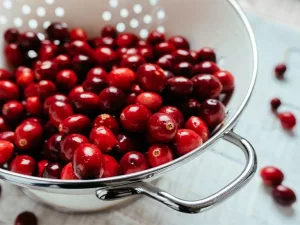
Cranberries
A 2019 review indicated that cranberries may support kidney health by:
- lowering the risk of UTIs
- decreasing inflammation and oxidative damage
- improving the gut microbiome
However, the review notes cranberries may raise stone risk in some individuals. Additional research is needed to establish optimal cranberry juice or supplement dosages.
Seaweed
Brown seaweed has been explored for beneficial actions on the pancreas, kidneys, and liver.
In a 2014 animal experiment, rats fed edible seaweed for 22 days showed reduced kidney and liver injury related to diabetes.
Consider snacking on a packet of dried, seasoned seaweed for a crunchy treat.
Calcium-containing foods
Consuming calcium may help lower the chance of kidney stones, according to the National Kidney Foundation.
Calcium binds with oxalate in the gut, decreasing oxalate absorption and urinary excretion. Excess urinary oxalate can contribute to stone formation.
You can achieve the recommended daily calcium intake of about 1 gram (g) by eating calcium-rich foods such as:
- low-fat dairy like milk, yogurt, and cheese
- tofu
- soybeans
- lean meats
- fortified cereals

3. Sip kidney-friendly teas
A 2023 study reported that drinking unsweetened tea was linked to a reduced risk of developing kidney disease compared with non-tea drinkers.
Teas that may support kidney health include:
4. Consider supportive supplements
Certain dietary supplements may offer advantages for kidney-related health.
Vitamin B6
Many individuals with chronic kidney disease exhibit low vitamin B6 levels, according to the National Institutes of Health.
Vitamin B6 is a cofactor in numerous metabolic pathways. It’s needed for glyoxylate metabolism; when B6 is lacking, glyoxylate can convert to oxalate rather than glycine. Elevated oxalate may contribute to kidney stones.
The recommended dietary allowance for vitamin B6 is about 1.3 mg for adults 19 years and older.
Omega-3 fatty acids
The typical Western diet tends to be high in pro-inflammatory omega-6 fats and relatively low in anti-inflammatory omega-3s.
Excess omega-6 intake may play a role in kidney stone formation. Increasing omega-3s can help balance omega-6 metabolism, with an optimal intake ratio around 1:1.
Docosahexaenoic acid (DHA) and eicosapentaenoic acid (EPA) are two key omega-3s found in fish oil supplements that may lower the risk of stones (study).
Potassium citrate
Potassium plays a central role in electrolyte and urinary pH balance.
Potassium citrate therapy can help reduce stone formation, particularly in those with recurrent stones.
If you have other kidney conditions or a history of hyperkalemia, check with a physician before taking potassium supplements.
Two-day sample kidney cleanse
This two-day sample kidney cleanse may help bolster your kidneys, though there’s no definitive evidence that it literally “cleanses.”
Day 1
- Breakfast: 8 ounces of fresh lemon, ginger, and beet juice; 1/4 cup dried cranberries; and 2 eggs
- Snack 1: 1/2 cup low-fat Greek yogurt with 1/2 cup mixed berries
- Lunch: smoothie with 1 cup almond milk, 1/2 cup tofu, 1/2 cup spinach, 1/4 cup berries, 1/2 apple, and 2 tbsp pumpkin seeds
- Snack 2: 1/4 cup mixed nuts
- Dinner: large mixed-greens salad with 4 ounces lean protein (chicken, fish, or tofu), topped with 1/2 cup grapes and 1/4 cup peanuts
Day 2
- Breakfast: smoothie made with 1 cup soy milk, 1 frozen banana, 1/2 cup spinach, 1/2 cup blueberries, and 1 tsp spirulina, plus 1 egg
- Snack 1: 1/2 cup low-fat Greek yogurt with 1/2 cup mixed berries
- Lunch: 1 cup hot millet topped with 1 cup fresh fruit and 2 tbsp pumpkin seeds
- Snack 2: 1/4 cup mixed nuts
- Dinner: large mixed-greens salad with 4 ounces lean protein (chicken, fish, or tofu), topped with 1/2 cup cooked barley, fresh lemon juice, and 4 ounces each unsweetened cherry juice and orange juice
Frequently asked questions
Which drink helps flush the kidneys?
Water is the most effective beverage for supporting kidney function, but cranberry and grape juices as well as certain teas can also be helpful.
How can I naturally support kidney repair?
Measures that may support kidney health include regular physical activity, a heart-healthy diet, getting at least 7 hours of sleep per night, maintaining a healthy weight, quitting smoking, and moderating alcohol consumption. For guidance on alcohol-related kidney issues, see kidney pain alcohol.
Does lemon water help flush the kidneys?
The National Kidney Foundation suggests adding 4 ounces of concentrated lemon juice to a glass of water once daily may be beneficial. Lemon contains citrate, which can bind calcium in urine and potentially reduce kidney stone formation.
Is cranberry juice good for kidney cleansing?
Cranberry juice contains anti-inflammatory and antioxidant compounds that may help support kidney health.
Takeaway
Most people do not need to perform a kidney “flush” or cleanse.
Still, following a heart-healthy eating plan and staying well hydrated can help maintain kidney health.
If you have a history of kidney disease or other kidney concerns, consult a healthcare professional to create an appropriate treatment and dietary strategy tailored to you.





















Leave a Reply
You must be logged in to post a comment.