
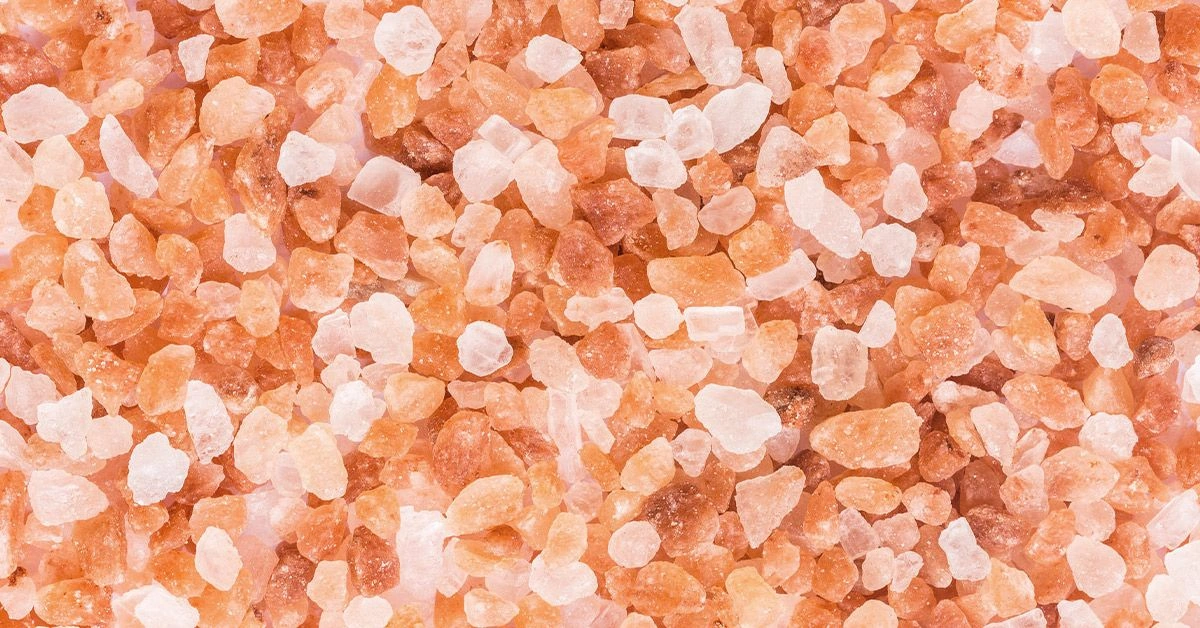
Sendha namak is a form of salt created when saline water from seas or lakes evaporates, leaving behind distinctive sodium chloride crystals.
It’s also referred to as halite, saindhava lavana, or rock salt.
Himalayan pink salt is among the most recognized varieties of rock salt, though many other types are available.

Sendha namak is highly regarded in Ayurveda, the traditional Indian system of medicine. Within this framework, rock salts are credited with several health-promoting properties, including alleviating coughs and colds, supporting digestion, and improving vision (1, 2, 3).
But are these assertions supported by scientific evidence?
Below are six evidence-informed benefits and applications of sendha namak.
1. May supply trace minerals
Many people mistakenly equate salt with sodium.
While all salts contain sodium, sodium is only one component of a salt crystal.
For example, table salt is named sodium chloride because it comprises both sodium and chloride ions. Both minerals are required by the body for normal functioning (4, 5).
Importantly, sendha namak contains minute amounts of other minerals like iron, zinc, nickel, cobalt, manganese, and copper (6).
These elements contribute to the varied hues seen in rock salts.
However, because these mineral levels are very low, sendha namak should not be relied upon as a main source of these nutrients.
Summary: Rock salts contain small amounts of trace minerals such as manganese, copper, iron, and zinc.
2. May help prevent low sodium
While excessive salt intake is harmful, insufficient sodium can also cause problems.
Low sodium levels can lead to poor sleep, cognitive disturbances, seizures, and convulsions — and in extreme cases, coma or death (7, 8, 9).
Low sodium has also been linked with falls, instability, and attention issues (10).
One study of 122 hospital patients admitted for low sodium found that 21.3% had suffered falls, compared to 5.3% among patients with normal sodium levels (10).
Therefore, adding small amounts of rock salt to meals may help maintain adequate sodium levels.
Summary: Insufficient sodium can cause sleep problems, seizures, and falls. Using sendha namak in moderation is one approach to avoid low sodium.
3. May ease muscle cramps
Electrolyte and salt imbalances have long been associated with muscle cramps.
Electrolytes are critical minerals required for proper nerve and muscle activity.
Specifically, potassium imbalance is considered a contributing factor to muscle cramps (11, 12).
Since sendha namak contains a variety of electrolytes, it might help alleviate some cramps and associated pain. Yet no research has directly tested rock salts for this purpose, and findings on electrolytes are mixed.
Some human trials indicate electrolytes can lower muscles’ susceptibility to cramping but do not necessarily prevent cramps (13, 14).
Moreover, newer studies suggest hydration and electrolytes might not influence muscle cramps as greatly as once thought (15, 16, 17, 18, 19).
Thus, further research is necessary.
Summary: The electrolytes in sendha namak might reduce susceptibility to muscle cramps, but more evidence is required.
4. May support digestion
In Ayurvedic traditions, rock salt is used as a remedy for many digestive complaints, such as intestinal parasites, acid reflux, bloating, constipation, abdominal discomfort, and vomiting. It’s typically used in recipes instead of regular table salt (20, 21, 22).
Scientific validation for many of these applications is limited.
However, rock salts are frequently added to lassi, a traditional Indian yogurt beverage.

Several studies indicate yogurt can benefit certain digestive issues, including constipation, diarrhea, bacterial infections, and some allergic responses (23, 24, 25).
Summary: Ayurveda uses sendha namak for digestive problems and to support digestion, but controlled studies are needed to confirm these claims.
5. May help soothe sore throats
Gargling with saline is a widely used home remedy for throat soreness.
Research supports this practice, and organizations such as the American Cancer Society endorse it (26, 27, 28).
Consequently, a saltwater rinse made with sendha namak may relieve sore throats and other oral complaints.
One study of 338 participants found that saltwater gargling was the most effective preventive measure for upper respiratory infections when compared with flu vaccination and masks (29).
Nevertheless, there’s a lack of direct studies on rock salt specifically.
Summary: Gargling with salt water prepared using sendha namak could ease sore throats and may help prevent respiratory infections.
6. May promote skin health
Sendha namak might benefit the skin.
Ayurvedic texts claim rock salts can cleanse, fortify, and rejuvenate skin tissue.
Although direct evidence for many of these assertions is sparse, some research indicates that fluids and electrolytes can be useful in treating specific dermatitis types (30).
Additionally, a 6-week trial showed that bathing in a magnesium solution containing 5% Dead Sea salt for 15 minutes daily significantly reduced skin roughness and redness while improving hydration (31).
Because sea salt and rock salts are chemically similar, sendha namak might offer comparable skin benefits.
Summary: Rock salts may improve skin hydration and related conditions, but more rigorous studies are needed.
Possible adverse effects of sendha namak
Sendha namak carries several potential drawbacks.

Notably, replacing table salt with rock salt can increase the risk of iodine deficiency. Iodine is commonly added to table salt but is generally absent from sendha namak; it is vital for growth, development, and metabolic function (32, 33).
Apart from iodine concerns, the main risks stem from overconsumption.
Excessive salt intake can contribute to high blood pressure and hyperchloremia (elevated chloride), which may cause tiredness and muscle weakness (34, 35, 36, 37).
Most dietary recommendations advise limiting sodium intake to roughly 1,500–2,300 mg per day.
Summary: Unlike most table salt, sendha namak usually isn’t iodized. Completely replacing iodized table salt with rock salt could increase the chance of iodine deficiency. Also, rock salt should be consumed in moderation.
The takeaway
Sendha namak, or rock salt, has a long history in Ayurvedic practice for supporting skin health and treating coughs, colds, and digestive complaints.
While scientific evidence is limited for many of these uses, rock salts do provide trace minerals and may be helpful for sore throats and preventing low sodium levels.
If you choose to use this colorful salt, do so in moderation to avoid contributing to high blood pressure, and consider balancing it with iodized salts to ensure adequate iodine intake.






















Leave a Reply
You must be logged in to post a comment.