

Forehead creases are a normal consequence of aging. Caring for your skin diligently can help prevent or soften their appearance, and professional interventions such as facelifts or dermal fillers may provide additional improvement.

Your “glabella” refers to the skin on your forehead between your eyebrows and above the bridge of your nose. When you make facial expressions, the muscles in your forehead move that skin.
Depending on factors like your facial structure, skin elasticity, genetics, and how frequently you make certain expressions, you might begin to notice wavy-looking lines appearing. These are known as glabellar lines, commonly called forehead furrows.
If those lines bother you, there are home approaches, clinical treatments, and prevention strategies that can reduce their visibility.
Keep reading to learn more about glabellar lines, why they develop, and what steps you can take to address them.
What are glabellar lines?
Glabellar lines are horizontal indentations that span across the forehead. They can sometimes intersect with vertical frown lines.
Glabellar lines vs. frown lines
Usually, frown lines are the vertical creases between the eyebrows, whereas glabellar lines form above the brows and extend horizontally.
Frown lines don’t only result from looking sad. When you smile, laugh, or express worry or surprise, the glabellar muscles tug at the overlying skin.
Emotional wrinkles
Your face evolved to communicate emotions to others. Narrowing your eyes or lifting your brows is part of how you express yourself.
As you get older, skin loosens and the collagen network that supports facial structure weakens. Repeated facial movements can alter skin texture and contour, resulting in sagging or creasing.
For instance, if you often “knit your brow,” your glabellar lines may become more pronounced or form sooner.
At-home remedies for glabellar lines
Several over-the-counter products can soften and smooth the look of glabellar lines. Below are some at-home treatments to consider.
Moisturizing treatments
Dermatologists advise using overnight moisturizing creams and maintaining a daily moisturizing routine to keep skin hydrated. Properly hydrated skin is more resilient and better able to retain its shape over time.
Product to try: SkinMedica Replenish Hydrating Cream
Key ingredients: Superoxide dismutase (a naturally occurring antioxidant), vitamins E and C, green tea leaf extract (another antioxidant), and sodium hyaluronate (helps retain moisture).
Added bonus: It’s cruelty-free (not tested on animals).
Antioxidant creams
Antioxidant-rich creams help your skin combat damage from oxidative stress, which comes from exposure to pollution and environmental toxins.
Creams containing antioxidants like green tea extract and vitamin E may encourage new skin growth and help maintain a more youthful surface.
Product to try: Toulon Antioxidant Moisturizer for Face with Cucumber and Chamomile
Key ingredients: Vitamins A, C, and E, safflower oil (linoleic acid), shea butter, aloe, chamomile, and cucumber.
Added bonus: It’s paraben-free and cruelty-free (not tested on animals).
Note that its richer texture might feel heavy on certain skin types.
Hyaluronic acid
Hyaluronic acid can fill microscopic gaps in the skin barrier, making skin feel smoother and plumper after absorption. Over time, hyaluronic acid has been shown in studies to reduce the appearance of wrinkles.
Product to try: The Ordinary Hyaluronic Acid Serum
Key ingredients: Three molecular weights of hyaluronic acid (low, medium, and high) to hydrate multiple skin layers, plus vitamin B5 to support barrier repair and tissue regeneration.
Added bonus: Vegan, cruelty-free, and free from parabens, phthalates, oil, alcohol, silicone, nuts, and gluten.
Peptides
Peptides in serums and lotions can brighten the complexion and encourage cell turnover. While they won’t erase wrinkles alone, peptides can improve overall skin texture and reduce muscular twitching that contributes to crease formation.
Clinical research indicates peptide-containing products can boost collagen production and increase the skin’s resilience to being stretched by daily facial movements.
Product to try: Peptide Complex Serum by Eva Naturals
Key ingredients: Botanical hyaluronic acid, aloe vera, witch hazel, organic vegetable glycerin, jojoba oil, and vitamin E.
Added bonus: It’s cruelty-free (not tested on animals).
Medical treatments for glabellar lines
If at-home skincare doesn’t give you the result you want, consult a dermatologist about medical options. The treatments below can help soften the look of glabellar lines.
Botox and other neuromodulators
Botox has grown increasingly common for treating signs of facial aging. Though Botox is a brand name, people often use it to describe a group of injectable neuromodulators that temporarily relax the muscles beneath the skin, reducing wrinkle visibility.
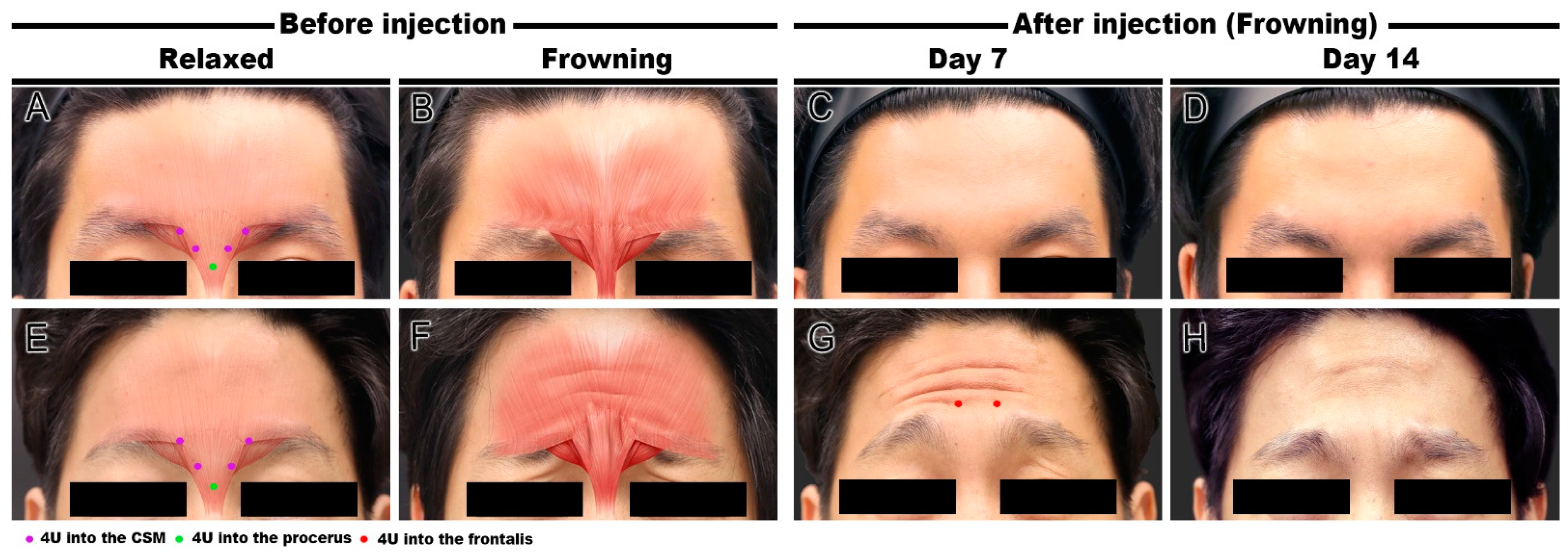
Compared with other procedures, Botox tends to be more affordable and carries a low risk of side effects. However, it’s temporary and typically wears off after a few months. It can also restrict some facial movements, which may result in a less expressive appearance.
Juvederm and other soft tissue fillers
Soft tissue fillers are designed to replace lost collagen and other structural elements of the skin. Examples include:
- Restylane
- Sculptra
- Juvederm
There are notable distinctions between neuromodulators like Botox and dermal fillers, but both generally have low complication rates. Fillers can cause side effects and are often more expensive than Botox.
Facelift
A facelift is the most invasive and costly option to smooth frown lines. This cosmetic surgery tightens facial and neck skin.
Successful facelifts can deliver long-lasting changes, but predicting the exact post-surgery appearance is difficult.
Other potential drawbacks include:
- Wrinkles may eventually recur over time.
- There is a risk of infection.
- Recovery can require several weeks of downtime.
- Facelifts are more expensive than most non-surgical treatments.
Are there facial exercises that smooth glabellar lines?
Some people advocate facial exercises to prevent or reduce glabellar lines, but medical evidence supporting these methods is limited.
Because wrinkles and frown lines result from repeated muscle activity, increased movement from facial exercises or mimicking surprised expressions is unlikely to improve forehead creases.
Keep in mind that glabellar lines stem from loose skin, fat loss, and collagen breakdown — not from underdeveloped facial muscles.
How to avoid glabellar lines
The most effective strategy to prevent glabellar lines is to begin protective habits early, before lines form.
If you have a genetic predisposition to these wrinkles, consider adopting these prevention tips:
- Drink plenty of water
- Consume a diet rich in fiber and antioxidants
- Avoid cigarette smoke
- Wear sunglasses
- Use sunscreen daily, especially on your face
- Keep your skin moisturized
- Sleep on your back
You can also try to reduce repetitive facial expressions, but not at the expense of your emotional well-being.
Ultimately, genetics, gravity, nutrition, and lifestyle play as large a role — if not larger — than maintaining a permanently neutral expression.
The bottom line
If frown lines and forehead creases bother you, there are topical products that may help the skin above your eyes appear smoother.
When forehead furrows affect your self-confidence or daily life, consult a dermatologist to discuss cosmetic procedures that can make them less obvious.
















Leave a Reply
You must be logged in to post a comment.