

Ballerina tea is an herbal infusion that has grown in popularity thanks to claims linking it to weight reduction and other possible health advantages. However, scientific evidence supporting many of these assertions is limited.
Sold under names like 3 Ballerina tea, the beverage’s branding evokes the idea of achieving a lean, graceful physique reminiscent of a ballet dancer.
That said, only some of the touted health benefits have any supporting research.
Below is a summary of what ballerina tea contains, the benefits it may offer, and potential risks to be aware of.
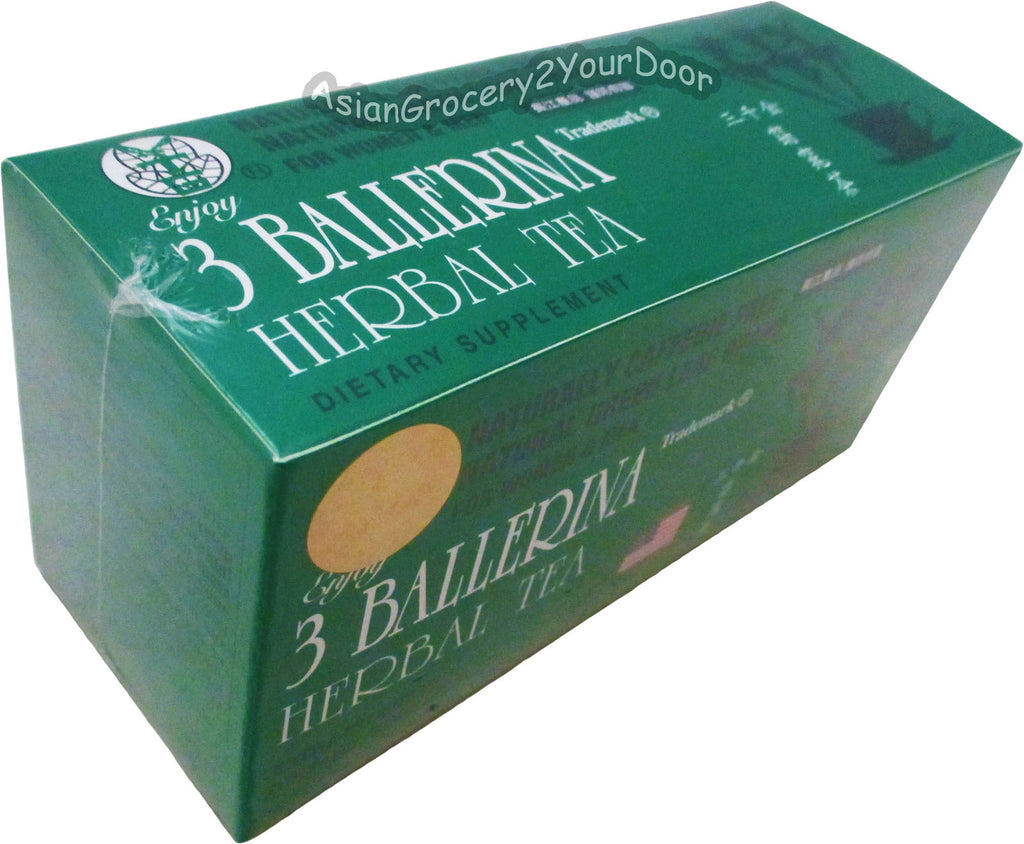
What is ballerina tea?
While some commercial blends add flavor-enhancing ingredients such as cinnamon or lemon, the tea’s principal constituents are two herbs: senna (Senna alexandrina or Cassia angustifolia) and Chinese mallow (Malva verticillata).
Both herbs have a long history of use for their laxative properties, which operate through two main pathways:
Accelerating transit: This effect is produced by stimulating contractions that help propel intestinal contents forward.
Creating an osmotic effect: This involves the release of electrolytes into the colon that increase water flow into the gut, softening stools.
The active compounds in senna and Chinese mallow dissolve in water, which explains why they are commonly consumed as a tea.
Can it help with weight loss?
Ballerina tea is frequently promoted as a quick way to drop pounds.
The herbs in it have laxative effects that prompt the body to expel considerable amounts of fluid, resulting in the loss of water weight. Some people use ballerina tea for that immediate reduction in scale weight.
However, senna and Chinese mallow do not influence fat metabolism. Consequently, the weight lost is mainly water and is usually regained when you rehydrate. No studies demonstrate these ingredients produce long-term fat loss.
Ballerina tea is a source of antioxidants
Antioxidants are compounds that help protect cells from damage.
Flavonoids, a class of antioxidants abundant in plants, help guard against cellular injury and may lower disease risk.
Multiple studies indicate that greater flavonoid consumption is associated with a reduced risk of death from cardiovascular disease.
Ballerina tea contains relatively high levels of flavonoids from both senna and Chinese mallow, which could offer antioxidant benefits.
Ballerina tea may relieve constipation
Because of its laxative action, ballerina tea may serve as a natural, cost-effective remedy for constipation.
Persistent constipation can lower quality of life and lead to complications when severe, making treatment important.
A 2021 trial in patients with chronic constipation found that participants receiving a senna-containing laxative had notably better bowel movement frequency than those given a placebo.
Still, evidence also shows that prolonged senna use can lead to adverse effects like diarrhea, electrolyte disturbances, and even temporary liver injury.
Additionally, packaged ballerina tea typically contains lower concentrations of senna than concentrated laxative supplements, so it’s uncertain whether the tea produces the same degree of relief.
A caffeine-free alternative
Some people need or prefer to avoid caffeine due to sleep issues, jitteriness, palpitations, or other side effects.
Unlike many traditional teas, ballerina tea is free of caffeine.
Nevertheless, some users report feeling more energetic after drinking it, attributing this sensation to the temporary water-loss effect. There’s no clear evidence to support that claim.
Ballerina tea might reduce blood sugar
Chinese mallow in ballerina tea may have blood sugar–lowering properties.
Various animal studies, including a 2022 study in rats, showed that subjects given Chinese mallow extracts experienced decreases in fasting and postprandial blood glucose.
These effects have been linked partly to the activation of AMP-activated protein kinase (AMPK), a key regulator of glucose metabolism involved in blood sugar control.
Moreover, in vitro and animal research suggests that the flavonoid antioxidants in Chinese mallow could support insulin secretion and have antidiabetic potential.
However, direct research on ballerina tea itself is sparse, so it’s unclear whether drinking the tea yields clinically meaningful improvements in blood sugar regulation.
Risks and side effects
Consuming ballerina tea may lead to adverse effects such as stomach cramps, dehydration, and mild to severe diarrhea.
One 2018 study reported that prolonged exposure to senna products caused diarrhea in rats and increased markers of kidney and liver toxicity. The authors recommended that people with liver or kidney conditions avoid these products.
Research indicates the laxative impact of senna depends on the dose of active compounds consumed. From a safety perspective, the lowest effective dose is preferable to achieve the intended effect.
While ballerina tea may produce short-term weight reduction, this is most likely due to fluid loss rather than fat reduction.
If your goal is lasting weight loss, adopting healthier dietary habits and increasing physical activity are evidence-backed, safer strategies.
Bottom line
Ballerina tea’s principal ingredients are senna and Chinese mallow.
The caffeine-free infusion provides antioxidants and may help relieve constipation and potentially affect blood sugar, based on limited research.
It is not an effective tool for genuine fat loss, as any weight loss is primarily from water and stool rather than adipose tissue.
If you choose to try ballerina tea, it’s available for purchase online, but consult a healthcare professional first to reduce the risk of harmful side effects.


















Leave a Reply
You must be logged in to post a comment.