

Muscle and joint soreness are commonly reported complaints among people with COVID-19. Back discomfort is cited most often, but many individuals also notice pain in other regions, such as the neck, shoulders, and elsewhere.

COVID-19 is an infectious illness caused by the severe acute respiratory syndrome coronavirus 2 (SARS-CoV-2). Typical symptoms include fever, cough, and tiredness.
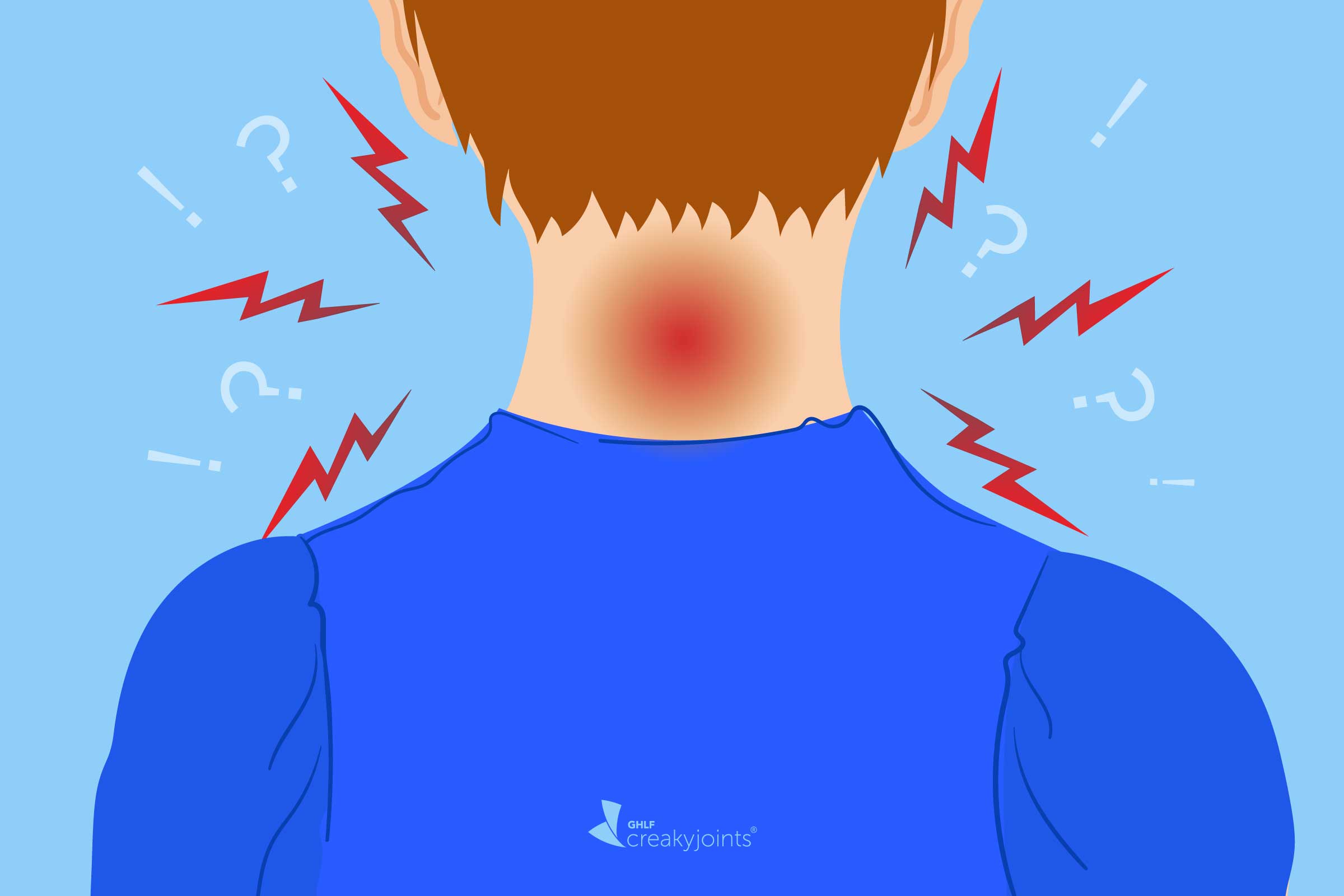
Another commonly reported feature is muscle and joint pain, which may involve the neck and various other parts of the body.
Below is a summary of what we know about COVID-19 and neck pain, including research findings, management approaches, and frequently asked questions.
Can COVID-19 cause neck pain?
Myalgia (muscle pain) is among the most frequently reported symptoms of COVID-19, after fever, cough, and shortness of breath.
As many as 40–60% of people with COVID-19 report muscle aches. Some people describe neck or head pain, while others experience discomfort in the abdomen, back, pelvis, or joints.
These pains usually occur alongside fever, cough, and fatigue and often resolve as the person recovers from the infection.
What the research says
A 2024 systematic review looked at neck pain in people with COVID-19 across five studies including more than 2,600 participants. The authors found evidence suggesting COVID-19 may raise the likelihood and intensity of neck pain, though two studies did not observe an increase.
One proposed explanation for COVID-19–related musculoskeletal pain is heightened inflammation throughout the body. A 2022 review suggests that SARS-CoV-2 can overstimulate the immune system, producing widespread inflammatory responses that contribute to muscle aches and soreness.
Some research has linked COVID-19 with an inflammatory thyroid condition called subacute thyroiditis, which can follow an upper respiratory infection. This condition often causes neck pain and tenderness due to an inflamed thyroid gland.
Other studies indicate that the shift to remote work during the pandemic negatively affected workers’ musculoskeletal health, leading to higher reports of neck, back, and shoulder pain.
Further investigation is needed to better define the relationship between COVID-19 and neck pain.
Is neck and shoulder pain a symptom of COVID-19?
Some people with COVID-19 do experience muscle aches that involve the neck, shoulders, and other upper or lower body regions.
Neck and shoulder pain alone are not specific to COVID-19. However, if these pains occur together with fever, cough, shortness of breath, or fatigue, they may be part of a COVID-19 presentation.
Can COVID-19 cause neck and back pain?
According to the 2022 review, the most common musculoskeletal symptoms of COVID-19 are fatigue, muscle aches, joint pain, and back pain.
A 2021 study of musculoskeletal complaints in people with COVID-19 found the back was the most frequently affected area. Many participants reported pain in multiple sites, including back pain (30.4%), lower back pain (16.1%), and neck pain (11.4%).
Can COVID-19 cause neck pain and headaches?
Headaches are a less common COVID-19 symptom, reported in about 13% of cases according to the 2022 review.
SARS-CoV-2 can affect the central nervous system, producing neurological symptoms such as headaches, dizziness, and altered consciousness.
Some individuals may experience both neuropathic and musculoskeletal pain, which could manifest as headaches alongside neck discomfort.
Can long COVID cause neck pain?
Some people develop prolonged effects after an initial COVID-19 infection, known as “long COVID.” Symptoms vary widely and can persist for weeks, months, or even longer.
Common long COVID symptoms include fatigue, breathlessness, trouble concentrating, and abdominal discomfort.
Those with long COVID also often report ongoing muscle and joint pain, which may include chest, head, and neck pain.
Treatment for COVID-19–related neck pain
Often, neck pain associated with COVID-19 is mild and can be managed at home.
At-home measures to relieve neck pain include:
- plenty of rest and maintaining good hydration
- using a supportive pillow to ease neck strain
- gentle neck stretches or self-massage
- maintaining good posture
- taking over-the-counter pain relievers
For more severe or persistent musculoskeletal pain related to COVID-19, treatments may include prescription medications, physiotherapy, and complementary approaches.
Medication options for neck pain include nonsteroidal anti-inflammatory drugs (NSAIDs) and, in some cases, corticosteroids.
Stretching and mobility exercises—such as neck rotations, forward head tilts, and shoulder rolls—can help fortify muscles, improve stability, and lessen discomfort.
Complementary therapies, including acupuncture, have shown some promise for neck pain relief in emerging studies.
Occasionally, symptoms related to COVID-19—like changes in oral health—are discussed in the context of recovery; for instance, some people research covid teeth as part of post-infection concerns.
Frequently asked questions about COVID-19 and muscle pain
Here are answers to common questions about COVID-19–related muscle pain.
Is muscle tightness a symptom of COVID-19?
Muscle aches and pains are common with COVID-19. Some people experience stiffness in muscles and joints, often affecting the shoulders, neck, back, hips, and knees.
How long do COVID-19 muscle aches last?
COVID-19 symptoms generally begin 5–6 days after exposure and can last from 1 to 14 days. Many people start to feel better within a few days to weeks and recover fully.
Do muscle relaxers help with COVID-19 muscle aches?
Clinicians may prescribe muscle relaxants alongside NSAIDs to relieve muscle pain and inflammation in some cases. This multimodal approach targets multiple pain pathways.
When to contact a doctor
See a healthcare provider if you have neck pain that:
- persists for longer than 2 weeks
- gets worse despite self-care
- radiates into your arms or legs
- is accompanied by headaches, weakness, numbness, or tingling
A clinician can determine the underlying cause of your neck pain and recommend an appropriate treatment plan based on your symptoms.
Takeaway
Researchers think COVID-19 may trigger muscle and joint pain through increased inflammation driven by the immune response.
Typically, neck pain from COVID-19 is mild and can be handled with home care. If your neck pain is severe or persistent, seek medical advice.






















Leave a Reply
You must be logged in to post a comment.