

If you feel tingling or numbness in your back, it may stem from a pinched nerve, injury, or irritation. If the discomfort persists, consult a physician since it could indicate a different underlying problem.
A tingling sensation in the back is often likened to pins-and-needles, burning, or a “crawling” feeling. Depending on the root cause and location, it may be chronic or brief (acute). Get immediate medical care if the tingling is accompanied by:
- sudden weakness in the legs
- difficulty walking
- loss of bladder or bowel control
Those symptoms combined with tingling in the back could point to a more serious condition such as massive disc herniation (cauda equina syndrome) or a spinal tumor.
Tingling in the upper back: common causes
Tingling in the back frequently results from nerve compression, injury, or irritation. Possible causes include:
Brachial plexopathy
The brachial plexus is a network of nerves in the spinal region that transmits signals to the shoulders, arms, and hands. If these nerves are stretched or compressed, you may experience stinging or tingling pain.
Typically, the discomfort is felt in the arm and is short-lived. The stinging can radiate into the neck and shoulders. Treatment options include:
- pain relief medications
- steroids to decrease inflammation
- physical therapy
Fibromyalgia
Fibromyalgia is a central nervous system disorder that causes widespread muscle pain and fatigue. Pain, which can be dull, aching, or tingling, often worsens in areas with lots of movement, like the neck and shoulders. Treatments commonly used are:
- analgesics
- anti-inflammatory drugs
- muscle relaxants
- antidepressants, which can ease pain and address depression that may accompany fibromyalgia
Cervical radiculopathy
Cervical radiculopathy refers to a pinched nerve in the neck portion of the spine. A neck nerve can become compressed.
This happens when one of the cushioning discs between vertebrae collapses, bulges, or herniates and presses on sensitive nerves. Aging or poor body mechanics often contribute.
Besides numbness and weakness in the arm, you may feel tingling pain in the shoulder and neck. Most cases improve with:
- rest
- temporary use of a neck brace to limit movement
- over-the-counter pain medications
- physical therapy
Lhermitte’s sign
Lhermitte’s sign is a shock-like sensation associated with multiple sclerosis (MS), a neurological disease. According to the Multiple Sclerosis Association of America, about 40 percent of people with MS experience Lhermitte’s sign, especially when flexing the neck forward.
The sensation usually lasts only seconds but can recur. There’s no specific cure for Lhermitte’s sign, though steroids and pain medications are commonly used in managing MS.
Tingling in the mid-back: possible causes
Shingles
Shingles is an infection caused by the varicella zoster virus, the same virus responsible for chickenpox. It affects nerve endings.
After chickenpox, the virus can remain dormant in the body for years. If it reactivates, it shows up as a blistering rash that frequently wraps around the torso and causes tingling or burning pain. Treatment may include:
- pain relievers (sometimes narcotics)
- antiviral drugs
- anticonvulsant medications
- steroids
- topical numbing sprays, creams, or gels
- antidepressants
Tingling in the lower back: likely causes
Herniated disc
A herniated disc can happen anywhere along the spine, with the lower back being a common site. Treatment typically involves:
- rest
- ice application
- pain medication
- physical therapy
Spinal stenosis
Spinal stenosis is a narrowing of the spinal canal that can trap and compress nerve roots. The American College of Rheumatology notes osteoarthritis as a cause.
Spinal stenosis becomes more prevalent with age. Anyone 50 years or older is at increased risk. Like other arthritic conditions, osteoarthritis may be managed with:
- pain relievers
- anti-inflammatory medications
- muscle relaxants
- steroids
Sciatica
The sciatic nerve travels from the lower back through the buttocks and down the legs. When this nerve is compressed — by spinal stenosis or a herniated disc, for example — tingling pain can radiate into the legs. To ease symptoms, a doctor might recommend:
- anti-inflammatories
- analgesics
- muscle relaxants
- antidepressants

Home remedies you can try
Alongside medical care, consider these at-home approaches:
Cold and hot therapy
Wrap ice in a cloth and apply to the painful area for about 20 minutes several times daily. Use cold until swelling decreases, then add heat if it helps.
Rest
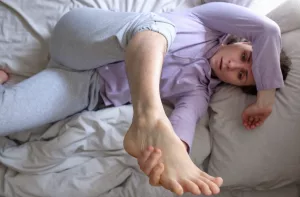
Rest, but avoid staying in bed longer than a day or two to prevent muscle stiffness. Sleeping in a curled (fetal) position can relieve spinal pressure.
Over-the-counter medications
Use pain relievers like acetaminophen (Tylenol) or ibuprofen (Advil) as directed.
Maintain good posture
Stand tall with shoulders back, chin level, and abdomen gently pulled in.
Soothing bath
Take a warm bath with an over-the-counter oatmeal preparation to calm tingling skin.
Complementary therapies
Yoga
A 2016 review of several studies on yoga for chronic low-back pain found that participants practicing yoga experienced less pain, disability, and depressive symptoms than those who didn’t. Discuss with your doctor whether yoga could be added to your low-back pain plan.
Acupuncture
The National Center for Complementary and Integrative Health (NCCIH) indicates research supports acupuncture as an effective option for easing low-back pain. To lower the chance of side effects, seek a qualified acupuncturist.
Massage
A 2012 study suggests deep-tissue massage may offer more benefit than general therapeutic massage for chronic back pain. However, massage’s pain relief is often temporary, even if it feels good.
When to contact a doctor
See your healthcare provider if pain is severe or lasts more than a few days and interferes with daily activities. Other warning signs include:
- back pain accompanied by fever, stiff neck, or headache
- worsening numbness or weakness in the arms or legs
- difficulty with balance
- loss of bladder or bowel control
Bottom line
Tingling in the back can arise from many causes. Most often it’s due to nerve compression and miscommunication between nerves and the brain. Rest, analgesics, anti-inflammatories, and physical therapy are common and effective treatments.
In more severe situations, a doctor might suggest narcotics or surgery to alleviate pressure on compressed nerves.
Many nerve issues are related to aging and degenerative disc disease. You can help protect your back by exercising, keeping a healthy weight, using proper body mechanics, and quitting smoking.
Nicotine from cigarettes can reduce blood flow, increasing the likelihood of disc degeneration.



















Leave a Reply
You must be logged in to post a comment.