
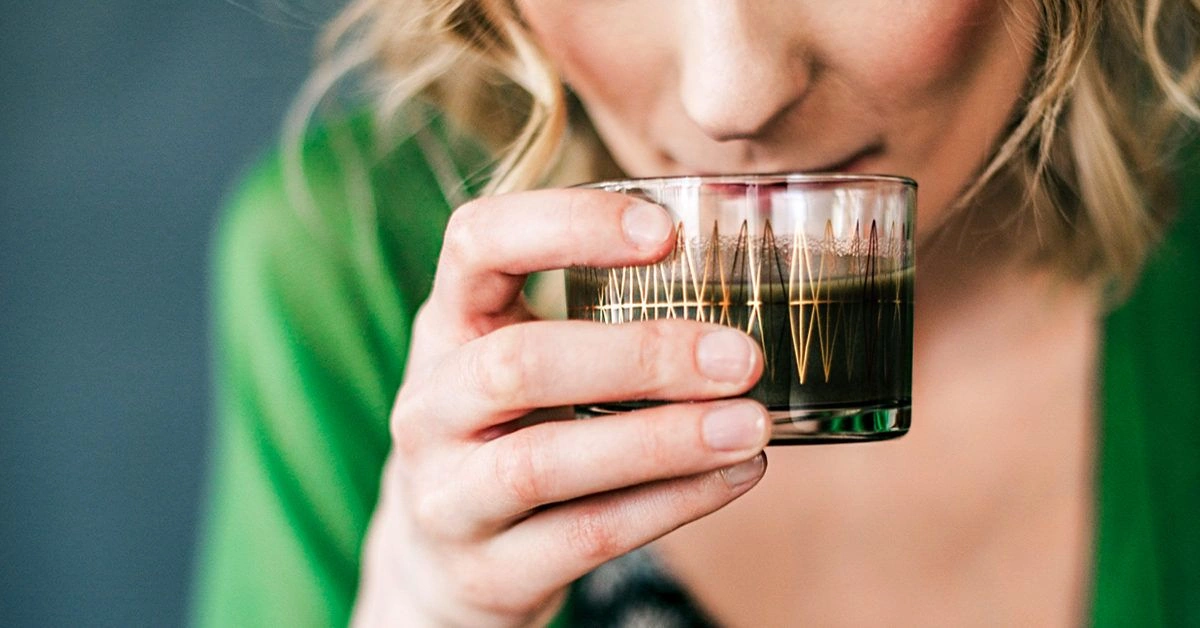
Detox: what it really means
“Detox” has become a widespread term in the 21st century. From cleanses and special diets to so‑called blood detoxes, countless programs and products promise to help remove impurities and refresh your body.
Ideally, after trying one of these regimens you’ll feel more lively. Yet many of the assertions lack robust scientific backing and often ignore the vital role your liver already plays in purifying your blood.
How your liver purifies blood
The liver ranks among the largest organs in your body and is essential for detoxification.
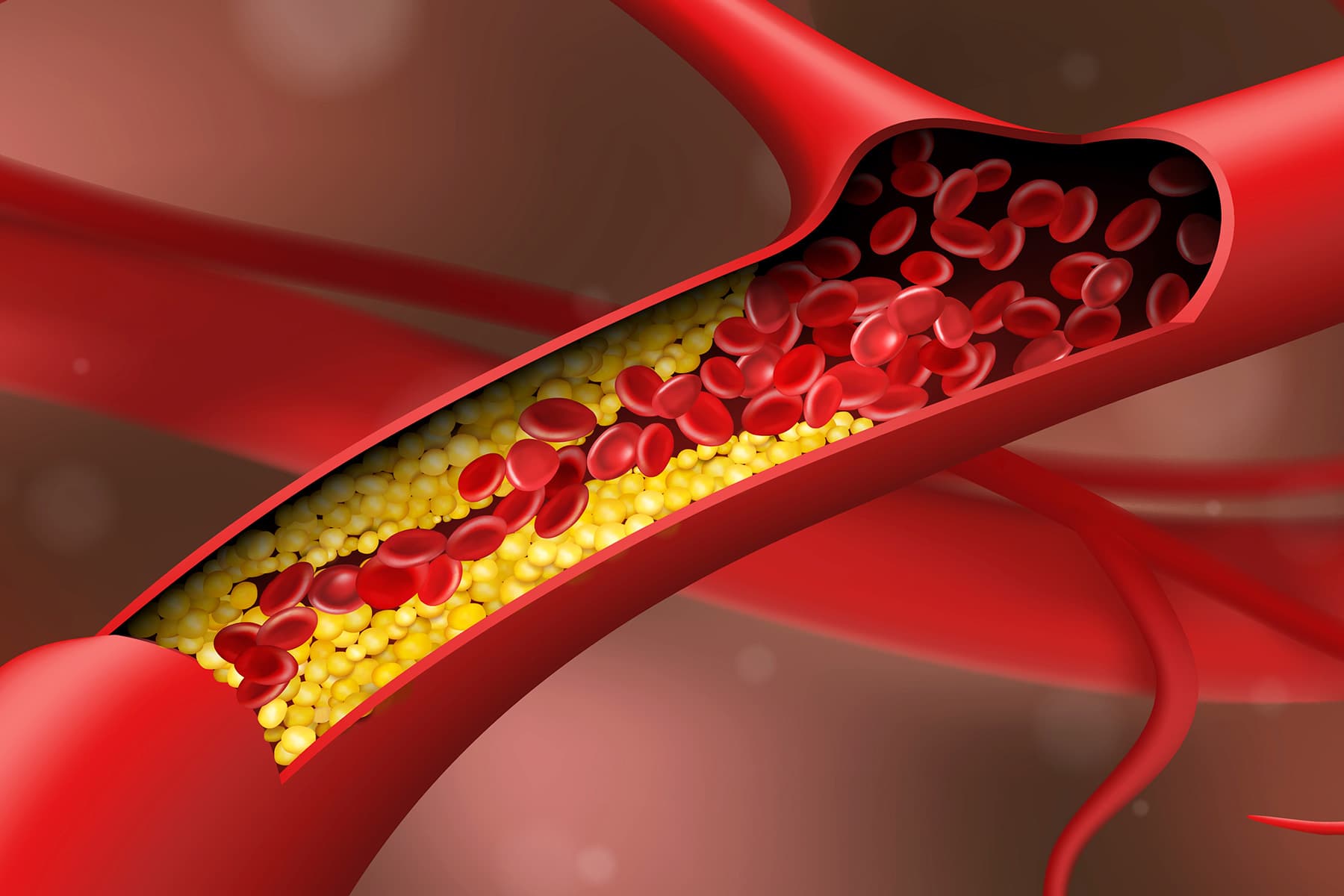
Your liver:
- filters bloodstream
- metabolizes nutrients
- eliminates toxins, including byproducts from metabolizing medications and alcohol
The liver contains thousands of tiny functional units called lobules. These regions filter blood and create and secrete bile, which helps break down substances in the body.
Some specific processes your liver carries out to break down harmful compounds include:
- converting ammonia into urea
- processing and removing excess bilirubin, a waste product from red blood cell breakdown
- producing immune cells that help clear bacteria and potentially harmful substances from the blood
Although the liver is the primary blood filter, other organs also help remove unwanted substances:
- Your lungs trap harmful airborne particles, such as those from cigarette smoke.
- Your intestines destroy parasites and other unwelcome organisms.
- Your kidneys filter excess waste and toxins from the blood and excrete them in urine.
Products that claim to purify your blood
A variety of products available today market themselves as detox solutions.
Detox teas
Health shops and pharmacies stock many detox teas made from diverse herbs. Examples are dandelion and nettle leaf, which can act as mild diuretics. Others, like senna leaf, function as laxatives.
According to Cleveland Clinic, these blends likely don’t offer more detox action than a standard cup of green or black tea.
Activated charcoal drinks and juices
Activated charcoal has been used in medicine for decades to reduce intestinal absorption of certain poisons. Recently, beverage manufacturers have started adding charcoal to drinks, claiming it will detoxify the body by binding toxins in the gut and reducing the amount that enters the bloodstream.
However, scientific evidence supporting benefits from charcoal‑infused beverages is limited. There’s no strong research proving charcoal in drinks is especially effective at cleansing blood or boosting health. Some consumers report feeling better after drinking them, while others notice no change.
The Mayo Cliniclists many medications that interact with or lose potency when activated charcoal is ingested. You should avoid taking activated charcoal if you have a history of gastrointestinal bleeding, recent surgery, or digestive problems. An overdose of activated charcoal is possible. We advise not taking activated charcoal orally without consulting your physician.
The FDA does not approve or monitor activated charcoal or other natural remedies.
Detox diets
Detox diets have been around for years. They often involve restrictive eating intended to cleanse the blood and frequently promote weight loss. Typical detox programs eliminate items such as:
- alcohol
- caffeine
- gluten
- red meat
- refined sugars
Some detox plans encourage healthier choices. Others can be extremely limiting—like juice cleanses or diets that revolve around a very small range of foods and beverages—claiming to boost energy.
Since your body is designed to remove most toxins on its own, extreme dietary restrictions are usually unnecessary. A balanced eating pattern rich in fruits, vegetables, lean proteins, and whole grains is typically sufficient.
How to safeguard your liver
Because the liver is central to blood purification, it’s important to protect it. Many everyday healthy practices support liver health. Suggestions include:

- Get vaccinated against hepatitis A and B. These viral infections can harm the liver.
- Maintain a healthy weight. Excess weight can lead to nonalcoholic fatty liver disease. A nutritious diet and regular exercise help manage weight.
- Don’t share needles or use unsterilized equipment. If you receive tattoos or piercings, inquire about the shop’s sterilization to avoid contaminated needles.
- Practice safe sex. This reduces the chance of sexually transmitted infections, including hepatitis B or C.
- Follow medication directions. Pay attention to warnings, especially if labels advise against alcohol while taking a drug.
- Avoid excessive alcohol. The liver metabolizes alcohol along with many other substances. Excessive alcohol can scar and destroy liver tissue.
- Steer clear of illicit drugs. The liver processes toxic byproducts from drug use. Long‑term misuse can cause significant liver damage, particularly when combined with alcohol.
Final thoughts
Adopting healthy habits that support liver function enables your body to carry out the detoxification it needs. You generally don’t need additional measures—like detox teas or special regimens—to cleanse your blood. Avoiding environmental toxins, pesticides, harsh chemicals, and cigarette smoke helps your liver work effectively to maintain your health.











Leave a Reply
You must be logged in to post a comment.