Blood Disorders
Hemophilia and other blood disorders affect the blood’s ability to clot properly, leading to increased bleeding and difficulty in healing after injuries or surgeries.

Is It a Blood Clot or a Bruise?
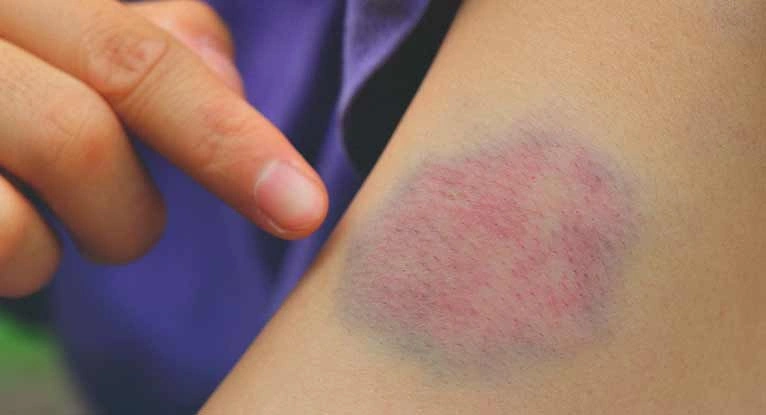
Overview Both bruises and blood clots involve blood-related processes that can cause visible skin discoloration, but they are different conditions. Read on to understand how bruises and clots differ and what each one means for your health. What are bruises? Bruises, also called contusions, are areas of skin discoloration that occur when tiny blood vessels — capillaries — rupture, allowing blood to pool beneath the skin. They commonly result from…

What is Hereditary Thrombocytopenia?
Hereditary thrombocytopenia, sometimes referred to as inherited thrombocytopenia, is a reduced platelet count rooted in genetic causes — meaning parents passed along genes that make a child more likely to develop the condition. The severity can range from mild to life‑threatening. Thrombocytopenia denotes a platelet count that’s below the normal range. Platelets are the blood cells responsible for helping blood clot. A normal platelet range is typically considered to be…
What’s the Link Between Testosterone and Polycythemia?
While using testosterone-based HRT, your healthcare provider will routinely review your lab results to watch for signs of polycythemia. If it develops, there are several management strategies available to reduce risks and keep your treatment on track. Testosterone plays a vital role in numerous bodily processes. For example, rising testosterone levels can stimulate an increase in red blood cell production. For individuals researching How to lower hematocrit on TRT, understanding…
7 Nutrients for Strong, Healthy Nails
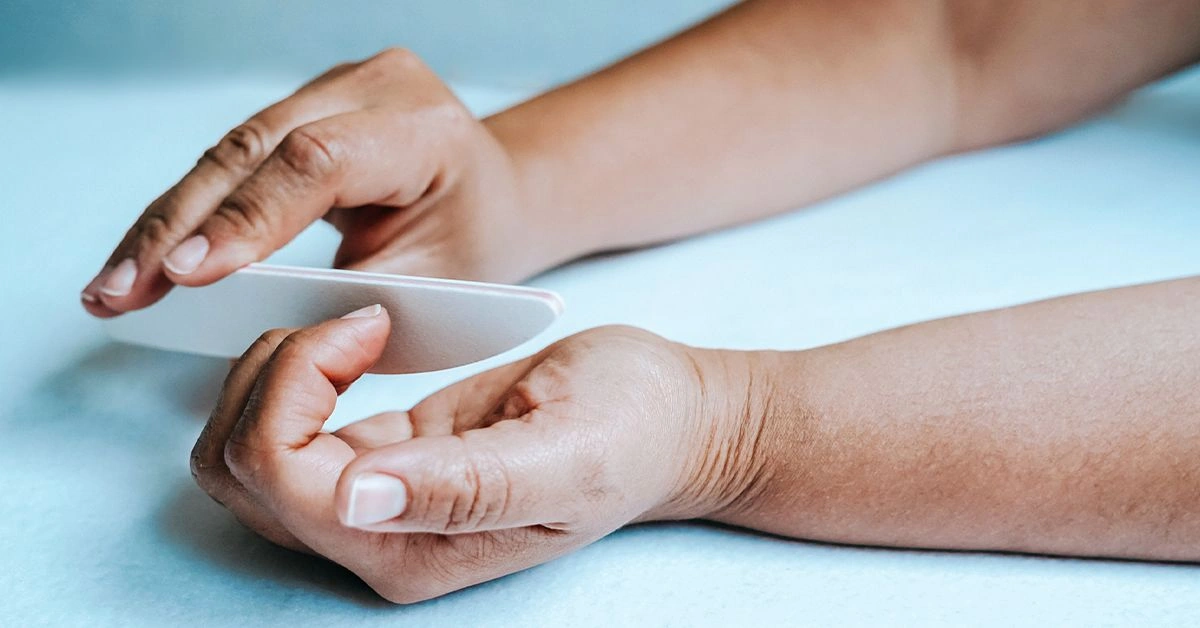
Maintaining a well-balanced diet is one of the most effective ways to support and improve nail health. While supplements are widely promoted for nail strength, more high-quality research is needed to confirm whether they are as beneficial as getting nutrients directly from food sources. Your fingernails can reveal important clues about your overall well-being. The nail beds continuously produce new nail tissue, and sufficient intake of vitamins, minerals, and key…

Spoon Nails (Koilonychia)
What are spoon nails? When comparing Anemia nails vs normal nails, one of the most noticeable differences is the presence of spoon-shaped nails, medically known as koilonychia. Spoon nails are unusually thin, soft, and curve inward like a small spoon—sometimes even able to hold a drop of water in the center. While several factors can contribute to this nail abnormality, the most common cause is iron deficiency anemia. The clinical…
Nail Abnormalities
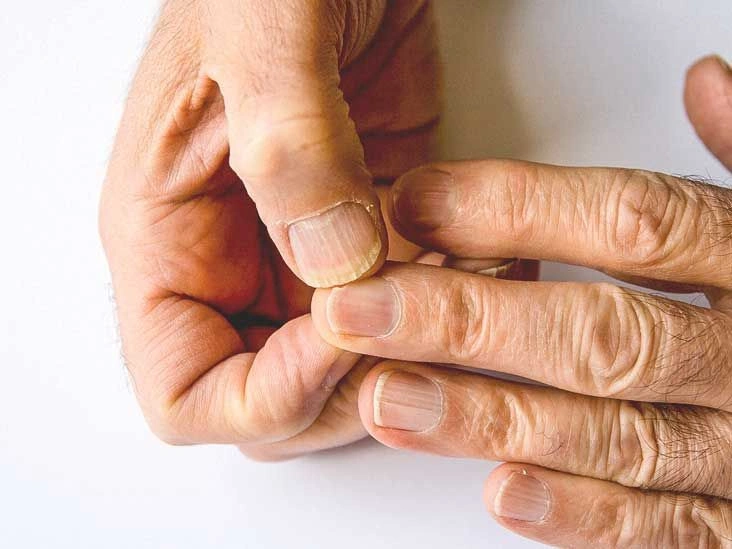
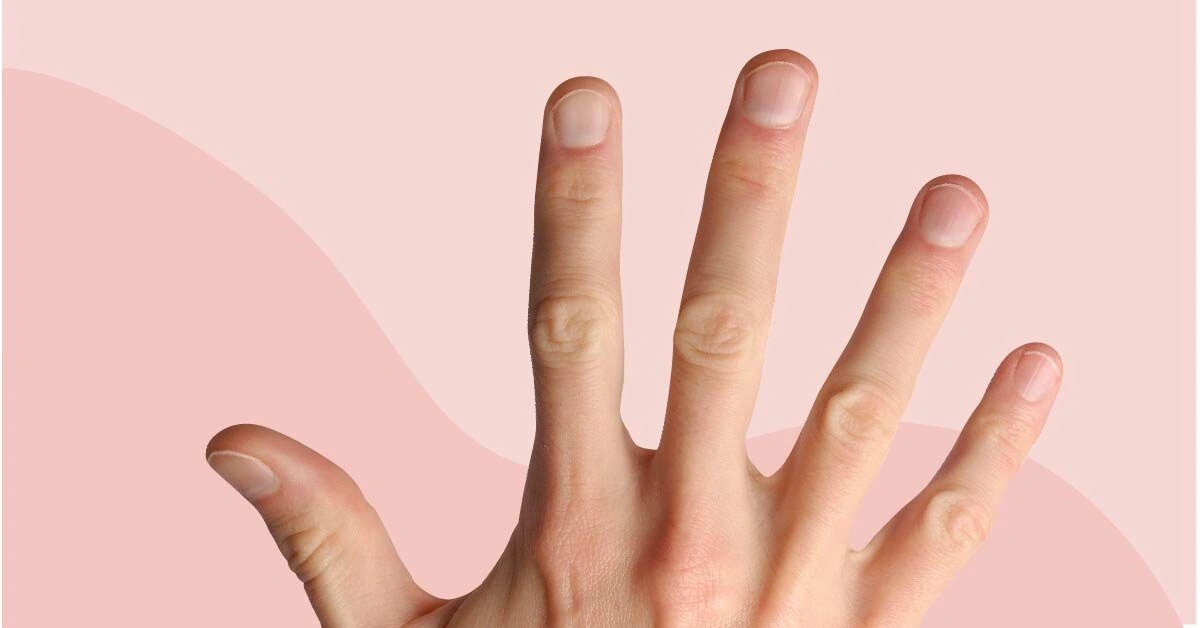
The appearance of your nails can shift over time due to injury, infection, or underlying health conditions. Recognizing the 5 characteristics of a healthy nail can help you distinguish between normal variations and changes that may require medical evaluation. Healthy nails typically look smooth, evenly colored, and free from significant grooves or distortions. With aging, you might notice subtle vertical ridges or slightly increased brittleness. These age-related changes are generally…
What These 8 Fingernail Signs Say About Your Health
Some nail changes may point to underlying health concerns, including vitamin deficiencies and chronic conditions. However, many nail problems develop simply from injury or repeated exposure to moisture. Nail condition often reflects how efficiently your body is operating overall. When reviewing Healthy nails vs unhealthy pictures, subtle differences in texture, strength, and color can offer clues about nutritional status, lifestyle habits, or possible medical issues. “For the general population, nail…
Blood Smell in Nose Without Bleeding: Is Parosmia the Cause?
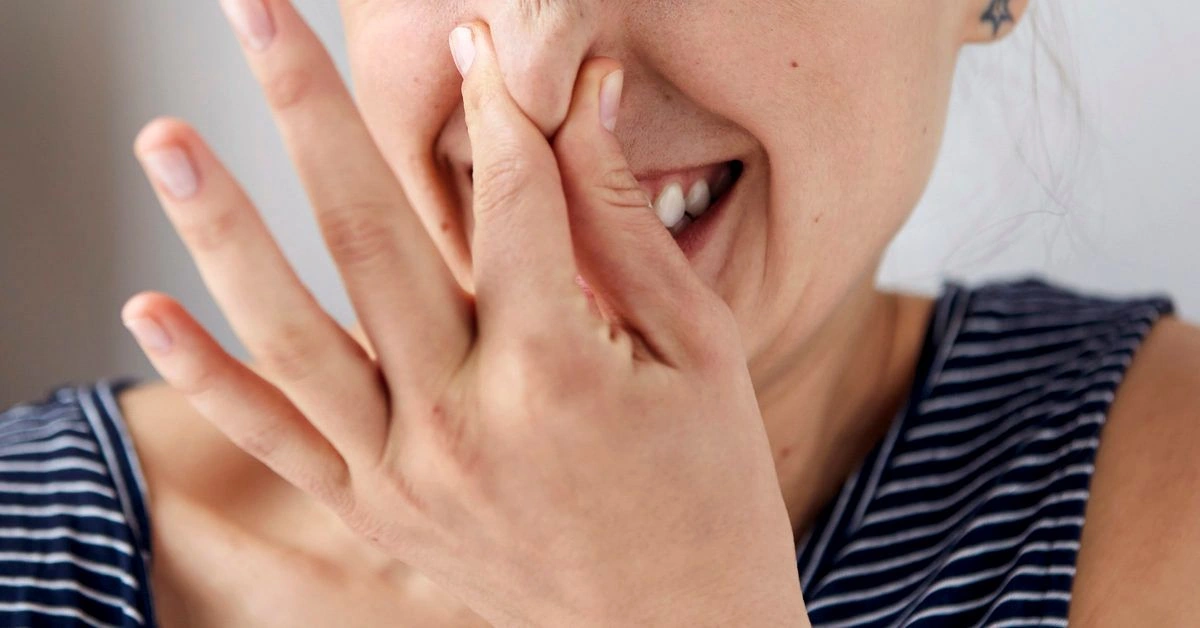
Damage to your olfactory senses can lead to parosmia, a condition that alters how you perceive odors. If you’ve ever wondered, Why do I smell blood in my nose when there is none, this distorted sense of smell may be one possible explanation. Parosmia can develop after a head injury, bacterial infection, or as a side effect of cancer treatment. Parosmia is the medical term for disorders that distort your…
What Causes a Bad Smell in The Nose?
Several medical conditions can lead to an unpleasant odor inside your nose, including nasal polyps, sinus infection, and postnasal drip. In some cases, people describe the sensation as Smelling blood in nose and headache, which may be linked to sinus pressure, infection, or inflammation. A doctor can evaluate your symptoms, determine the cause, and suggest the most appropriate treatment plan. (img by OneWelbeck) Nearly every day, outside odors enter your…
Why Does My Period Smell?
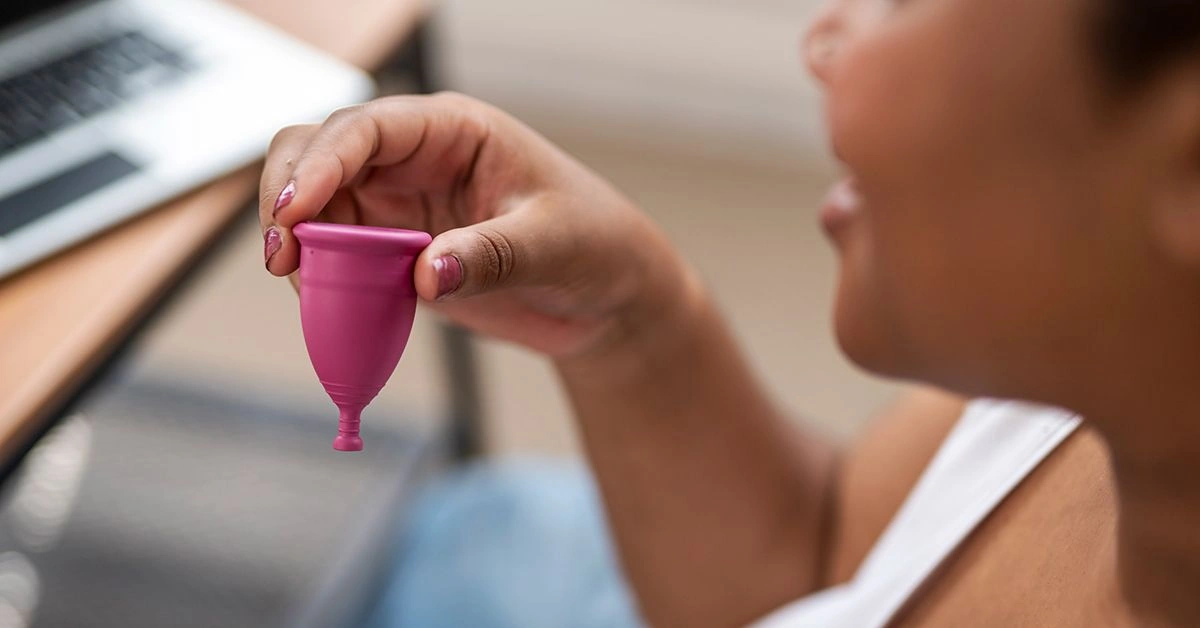
It’s completely normal for menstrual bleeding to have a mild scent. However, if you begin to notice an odor that seems unusual or significantly stronger than expected, it may be wise to have a healthcare professional evaluate it. Menstruation occurs when your body sheds the uterine lining along with an unfertilized egg and blood. When considering How do you describe the smell of blood?, many people note that menstrual blood…