
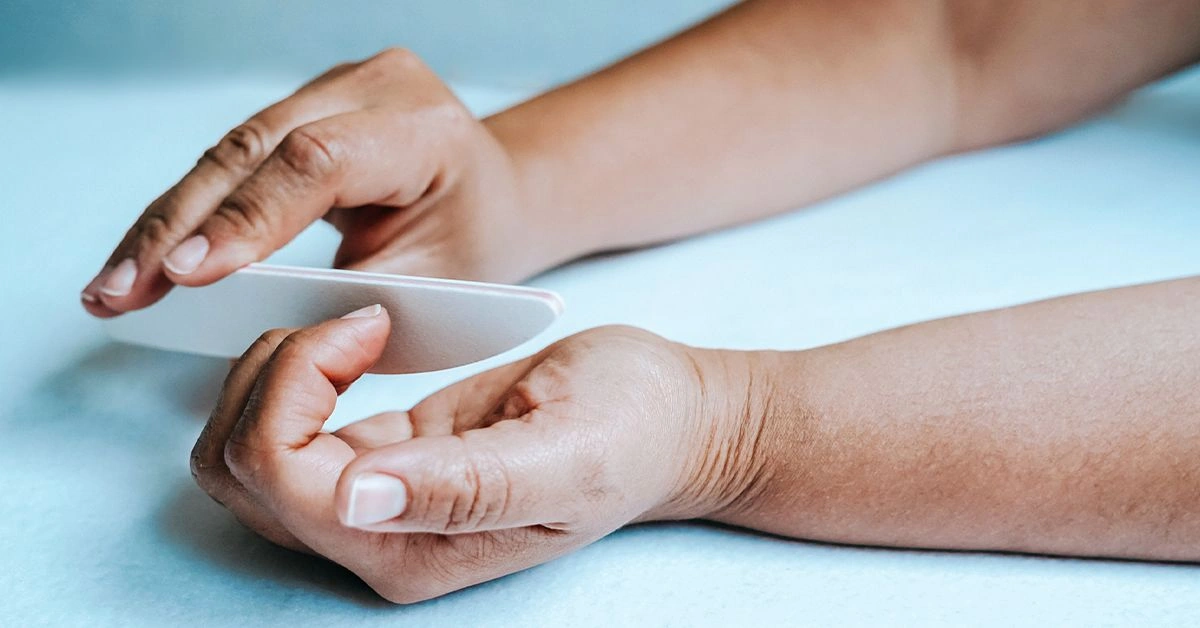
The appearance of your nails can shift over time due to injury, infection, or underlying health conditions. Recognizing the 5 characteristics of a healthy nail can help you distinguish between normal variations and changes that may require medical evaluation.
Healthy nails typically look smooth, evenly colored, and free from significant grooves or distortions. With aging, you might notice subtle vertical ridges or slightly increased brittleness. These age-related changes are generally harmless. Small spots caused by minor trauma usually grow out as the nail continues to develop.
However, abnormalities — including spots, discoloration, or nail separation — may result from finger or hand injuries, viral warts (periungual warts), infections such as onychomycosis, or certain medications like those used in chemotherapy. Understanding the difference between Healthy nails vs unhealthy can provide helpful context when evaluating changes.
In some cases, medical conditions can alter the appearance of your fingernails. That said, nail changes alone rarely confirm a specific diagnosis. Healthcare providers consider your nail appearance alongside other symptoms and findings from a physical exam before determining the cause.
If you’re unsure about any changes in your nails, it’s always best to consult your doctor for personalized medical advice.
Abnormalities of the fingernail
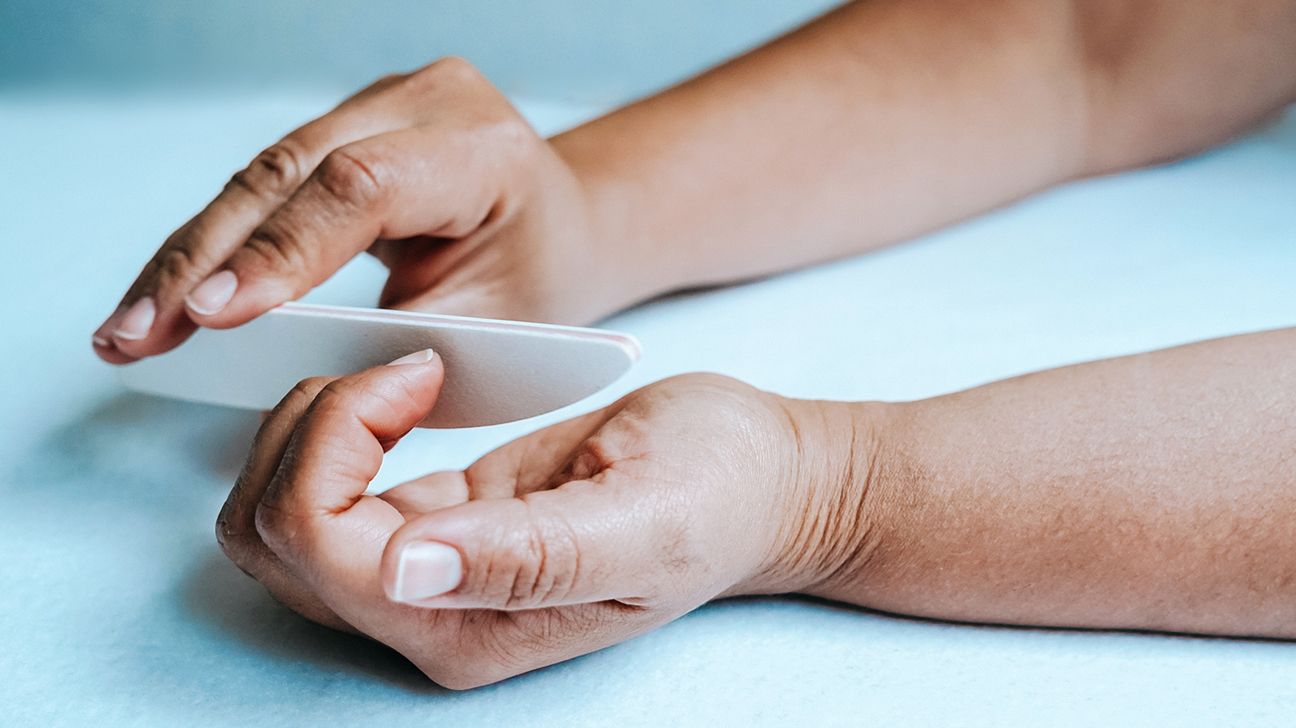
Some nail changes are linked to medical issues that require attention. Seek medical care if you notice any of the following:
- discoloration (dark streaks, white streaks, or changes in nail color)
- changes in nail shape (curling or clubbing)
- changes in nail thickness (thickening or thinning)
- nails that become brittle
- nails that are pitted
- bleeding around nails
- swelling or redness around nails
- pain around nails
- a nail separating from the skin
These signs may stem from a range of causes, several of which are outlined below. Comparing symptoms with reliable visual references, such as Healthy nails vs unhealthy pictures, may also help you better understand what you’re seeing.
Beau’s lines
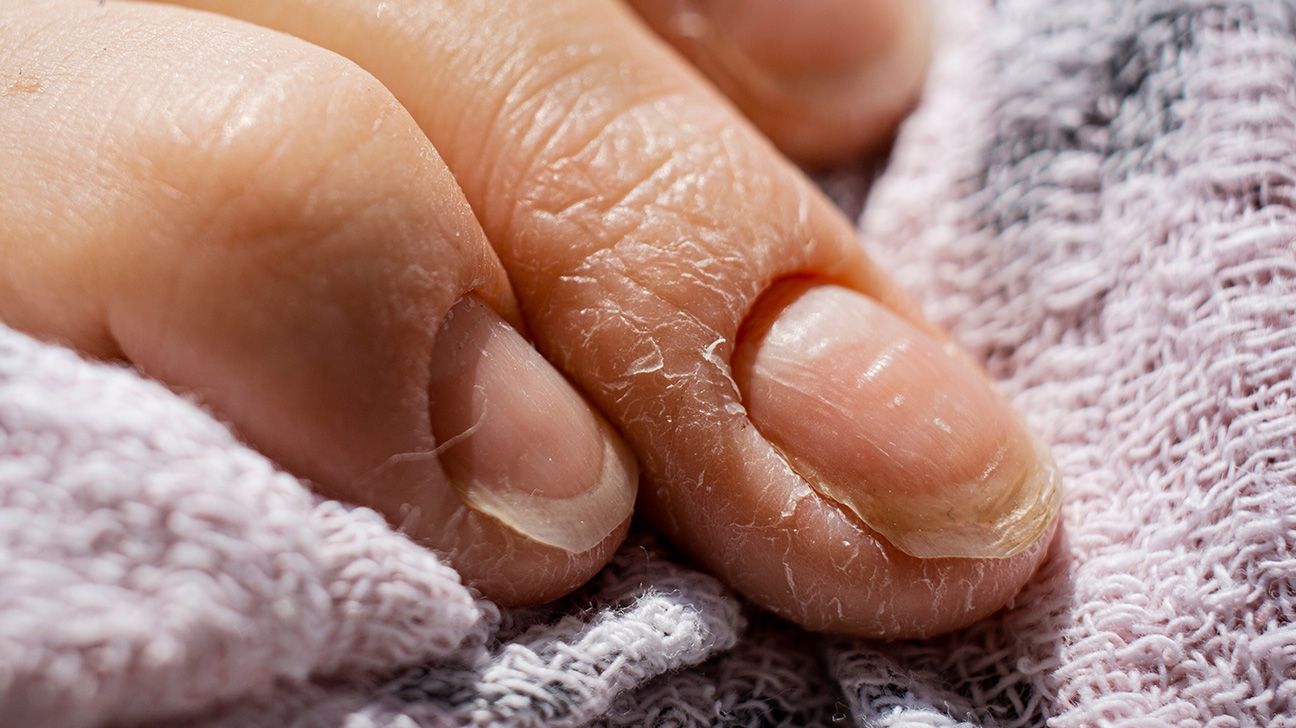
Horizontal indentations that run across the nail are known as Beau’s lines. These grooves may indicate malnourishment. Other potential causes of Beau’s lines include:
- diseases that cause a high fever such as measles, mumps, and scarlet fever
- peripheral vascular disease
- pneumonia
- uncontrolled diabetes
- zinc deficiency
Clubbing
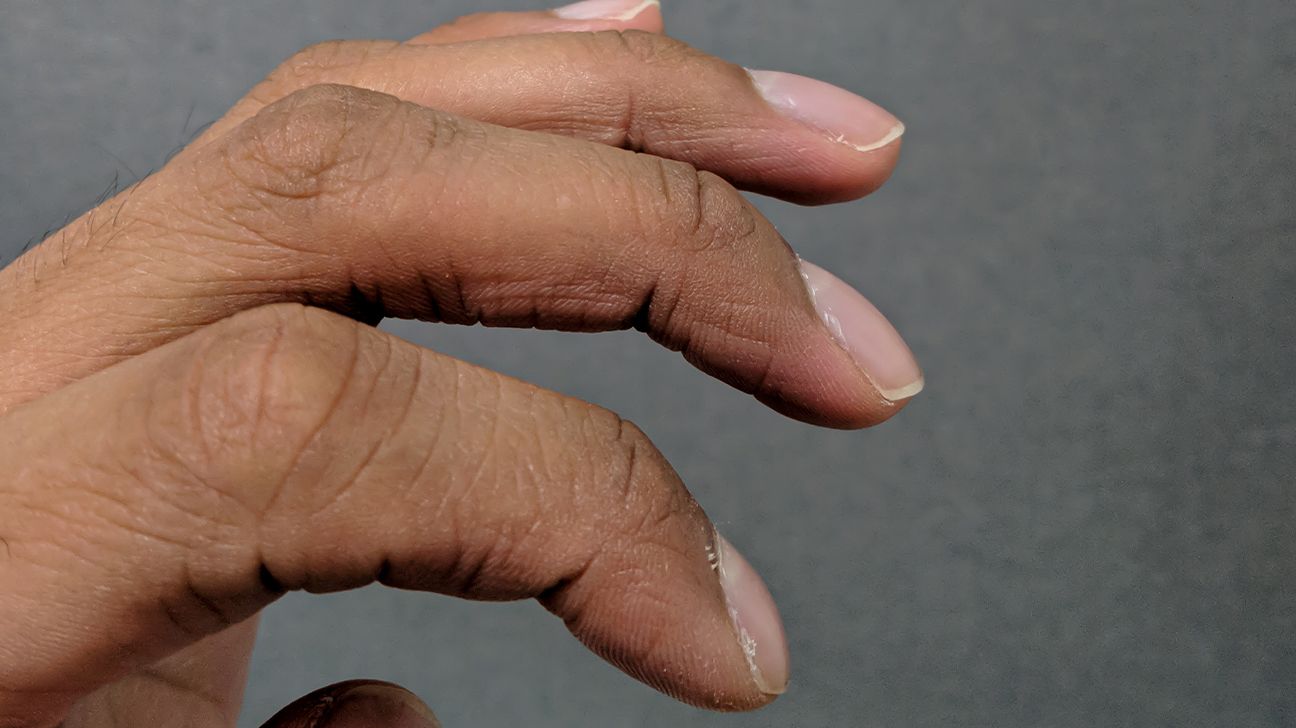
Clubbing occurs when the nails thicken and curve around the fingertips, typically progressing gradually over several years. It is often associated with reduced oxygen levels in the blood and may be linked to:
- cardiovascular diseases
- inflammatory bowel disease
- liver diseases
- pulmonary diseases
- AIDS
Koilonychia (spooning)
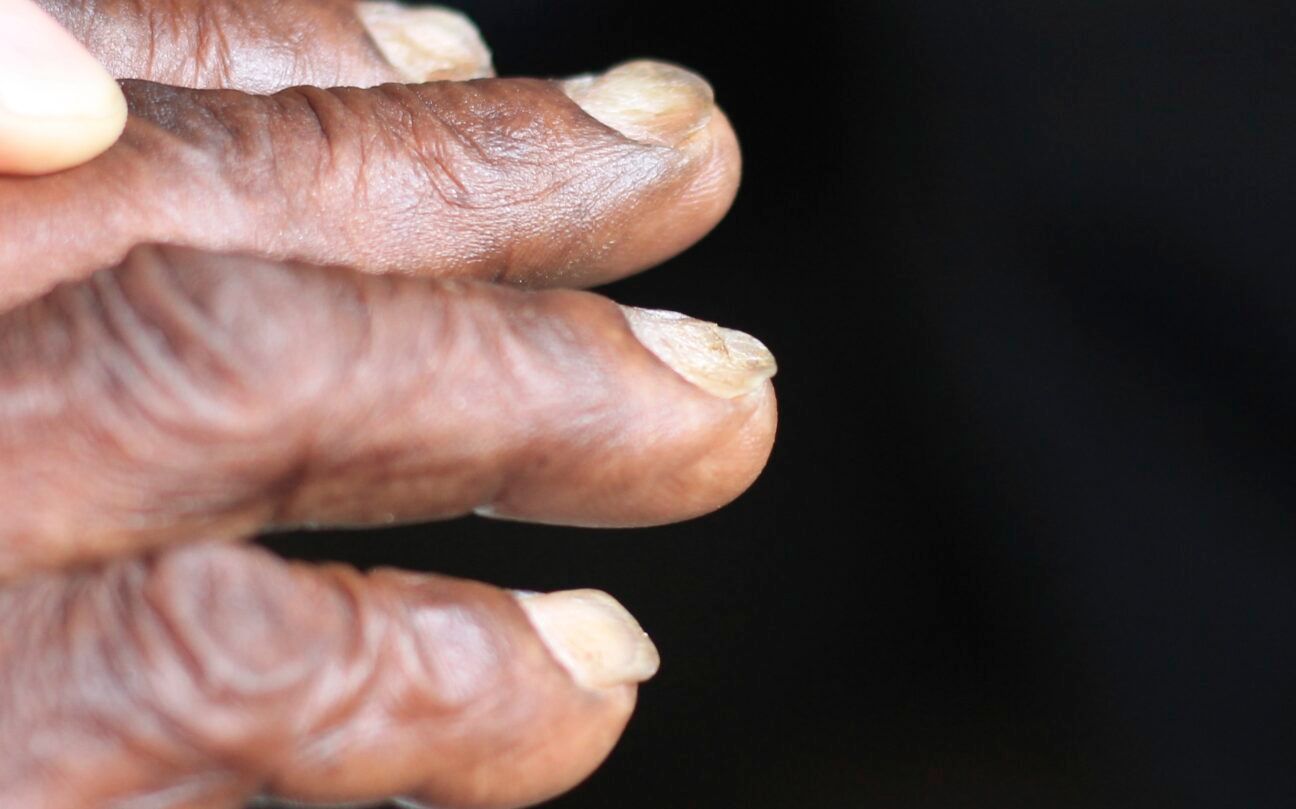
Koilonychia refers to nails that develop raised ridges and curve outward like spoons. In some instances, the nail becomes concave enough to hold a drop of liquid. Spooning may signal:
- iron deficiency anemia
- heart disease
- hemochromatosis, a liver disorder that causes too much iron to be absorbed from food
- lupus erythematosus, an autoimmune disorder that causes inflammation
- hypothyroidism
- Raynaud’s disease, a condition that limits your blood circulation
Leukonychia (white spots)
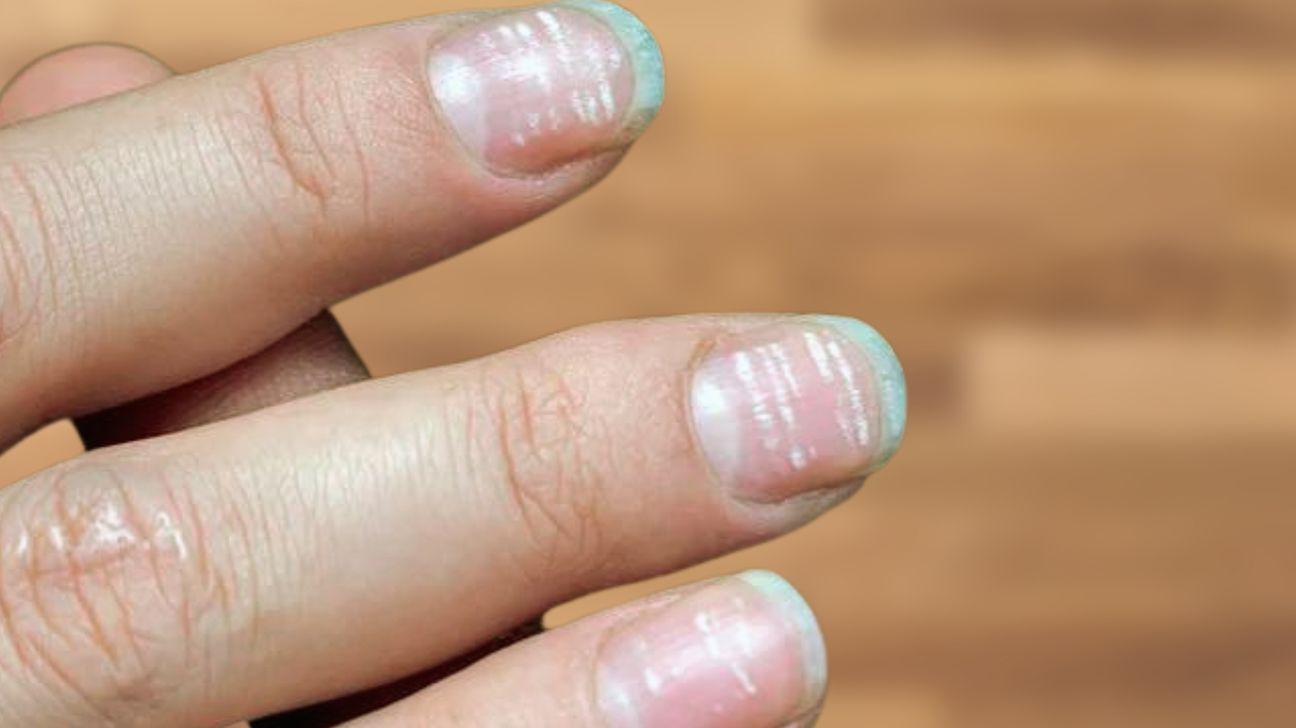
Irregular white spots or streaks on the nails are referred to as leukonychia. They are most often caused by minor injury and are generally harmless in otherwise healthy people. Occasionally, leukonychia may be connected to poor overall health or nutritional deficiencies. Contributing factors can include infectious, metabolic, or systemic diseases, as well as certain medications.
Mees’ lines
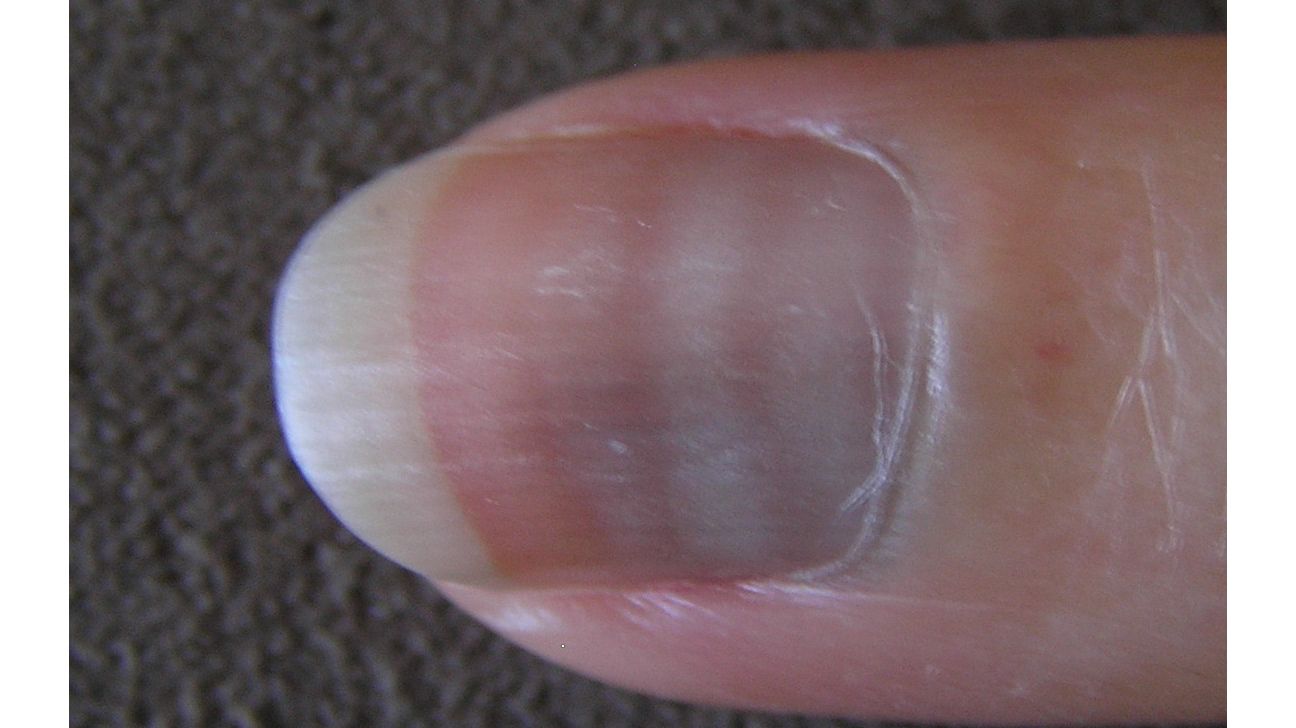
Mees’ lines are transverse white lines that can appear across the nail. They may indicate arsenic poisoning. If this symptom is present, your doctor may collect hair or tissue samples to measure arsenic levels in your body.
Onycholysis
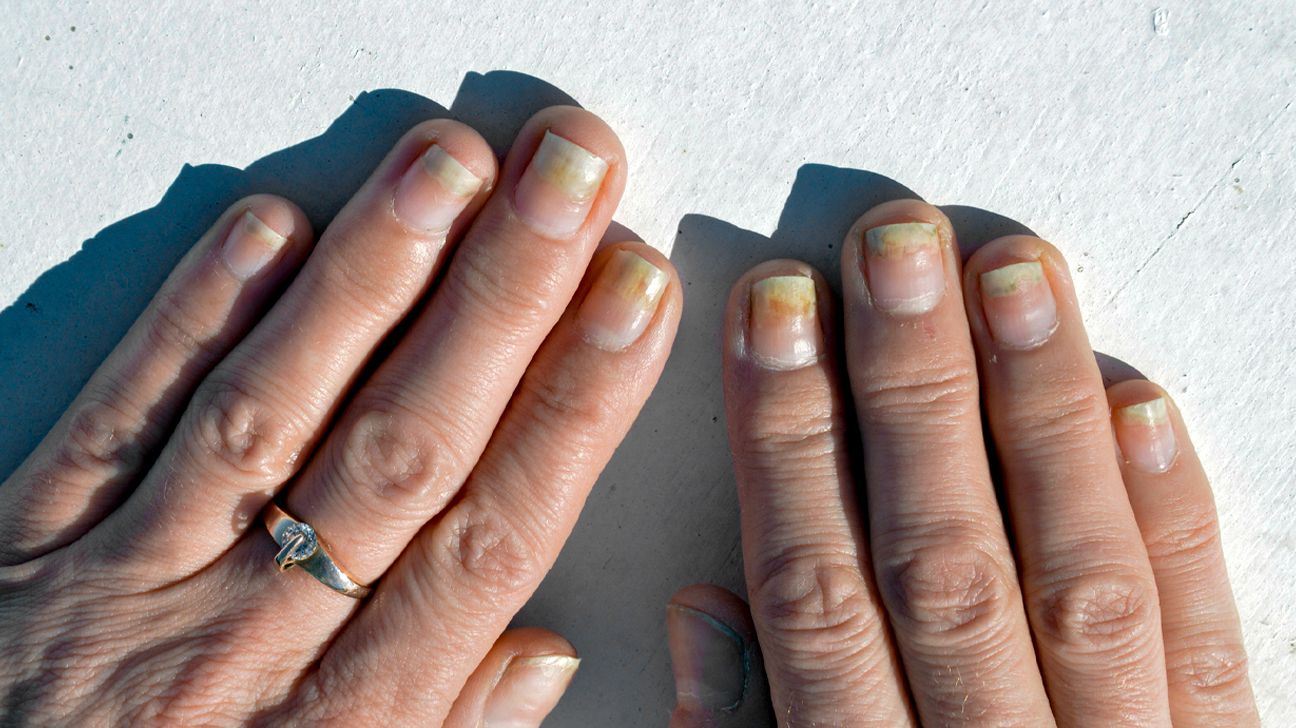
Onycholysis occurs when the nail plate detaches from the nail bed, resulting in a white or opaque appearance. Possible causes include infection, trauma, or reactions to nail products.
Additional causes of onycholysis include:
- psoriasis
- thyroid disease
Pitting
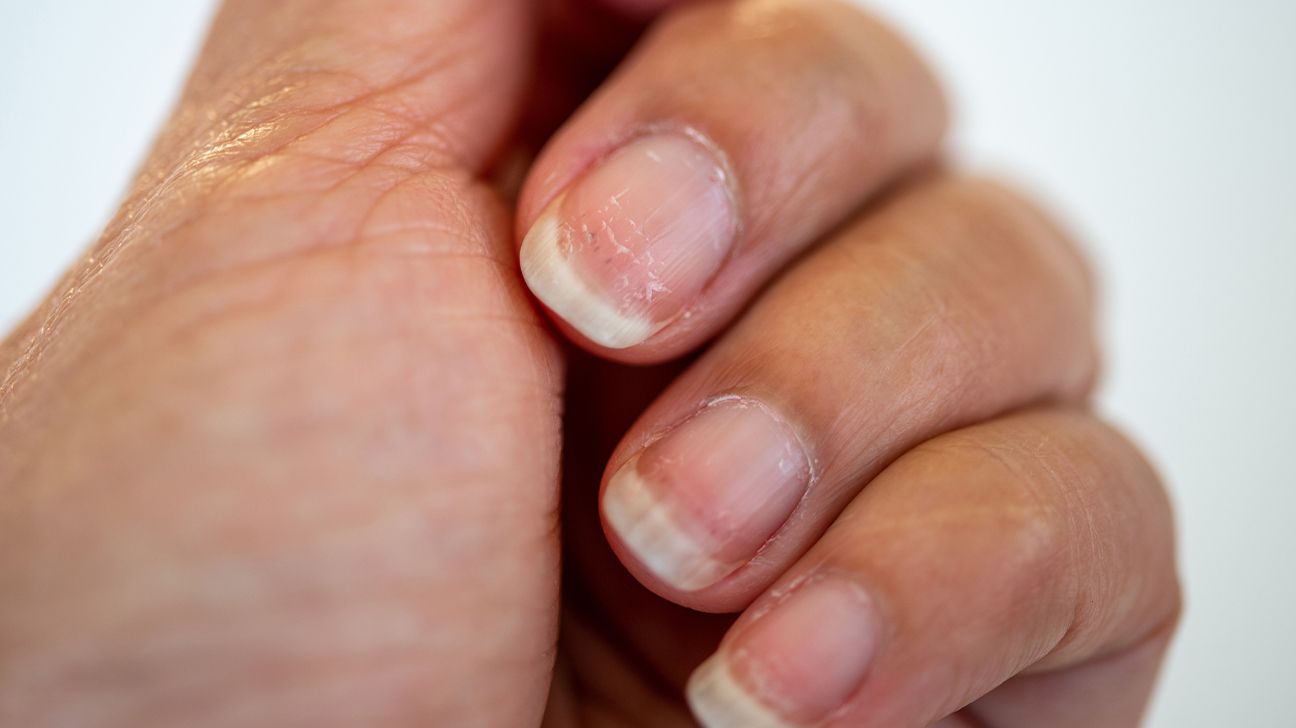
Pitting describes tiny dents or depressions in the nail surface. It frequently occurs in individuals with psoriasis, a skin disorder that leads to dry, red, irritated patches. Certain systemic diseases may also cause pitting.
Terry’s nails
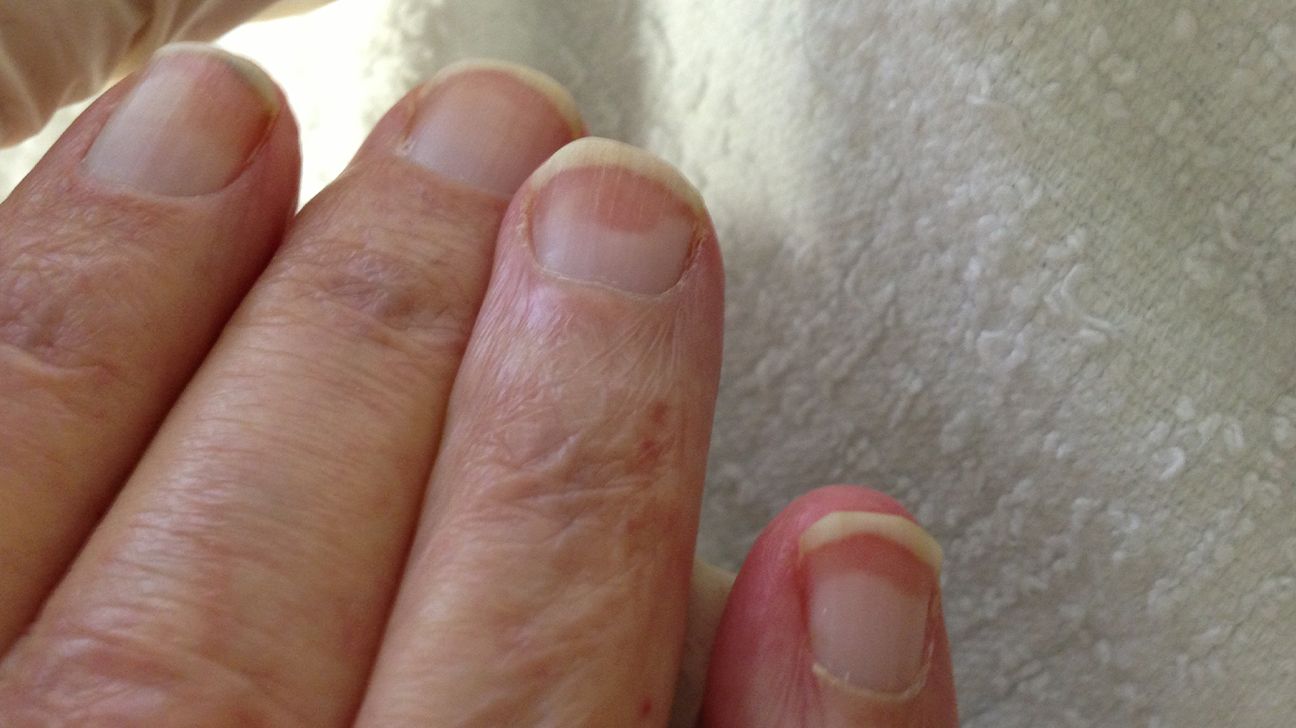
Terry’s nails occur when the tips of the nails develop a dark band. While often associated with aging, they can also be linked to:
- congestive heart failure
- diabetes
- liver disease
Yellow nail syndrome
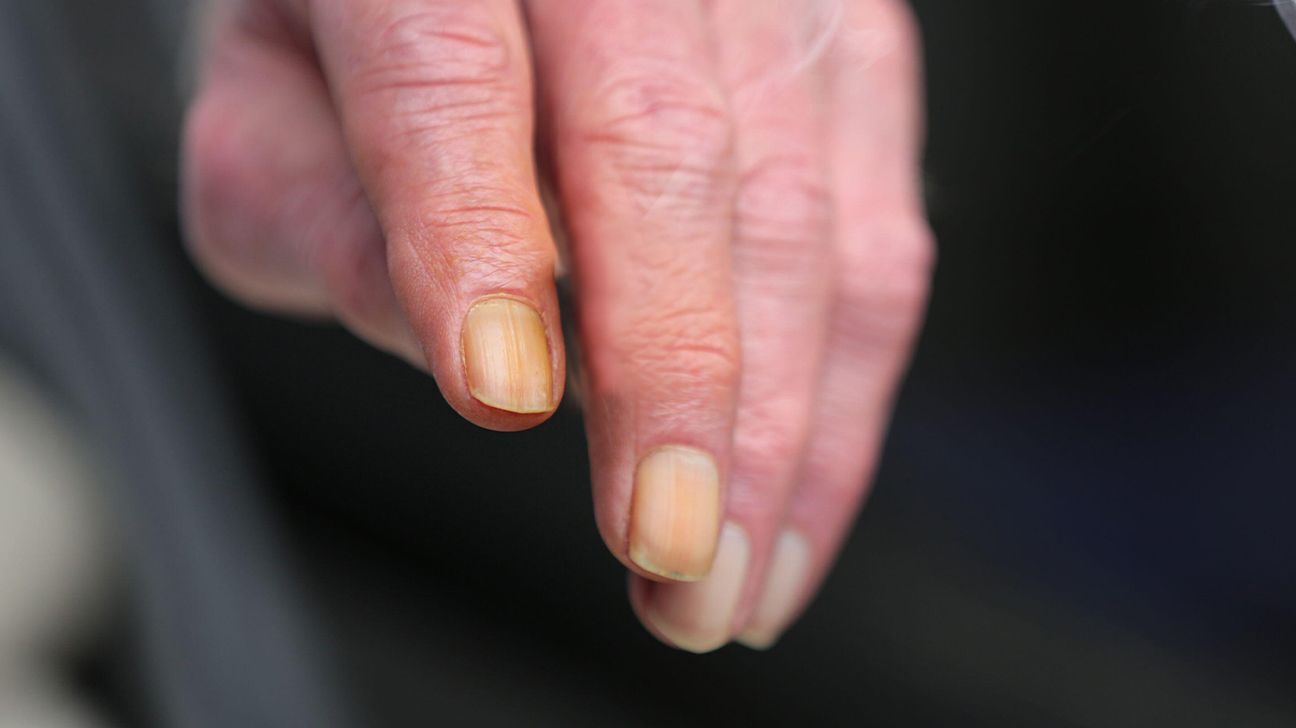
Yellow nail syndrome causes nails to thicken and slow in growth. In some cases, the cuticle disappears, and the nail may separate from the nail bed. This condition may result from:
- internal malignancies
- lymphedema, swelling of the hands
- pleural effusions, fluid buildup between the lungs and chest cavity
- respiratory illnesses such as chronic bronchitis or sinusitis
- rheumatoid arthritis
These examples highlight how nail changes can reflect broader health concerns. Still, noticing one of these signs does not automatically confirm a medical diagnosis. A healthcare professional can determine whether further testing or treatment is necessary. In many situations, improving nail care habits can restore a healthier appearance and help maintain the 5 characteristics of a healthy nail: smooth texture, consistent color, appropriate thickness, intact attachment to the nail bed, and steady growth.
How to care for your nails
Practicing good nail hygiene can reduce the risk of many common abnormalities and support long-term nail health. Consider the following general recommendations:
Tips Avoid biting or tearing your nails and do not pull at hangnails. Use proper nail clippers and trim your nails after bathing, when they are softer. Keep nails clean and dry. With sharp manicure scissors or clippers, cut nails straight across and gently round the edges.
If your nails are brittle or weak, keep them trimmed short to minimize splitting. Regularly apply lotion to your nails and cuticles to maintain hydration and protect the nail bed.
When getting professional manicures or pedicures, ensure the salon is properly certified and that technicians follow appropriate sterilization procedures. Limiting prolonged use of nail polish and nail polish removers may also help prevent dryness and damage.
If you observe persistent or concerning changes, consult your doctor to rule out serious underlying conditions and to receive guidance tailored to your health needs.

















Leave a Reply
You must be logged in to post a comment.