
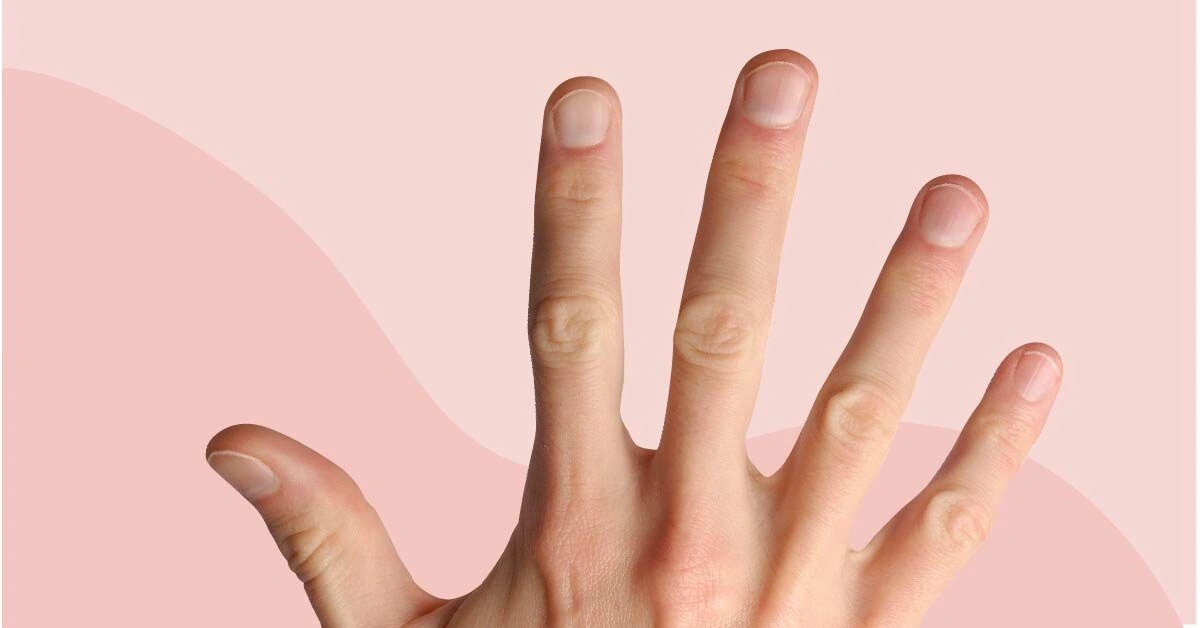
Some nail changes may point to underlying health concerns, including vitamin deficiencies and chronic conditions. However, many nail problems develop simply from injury or repeated exposure to moisture.
Nail condition often reflects how efficiently your body is operating overall. When reviewing Healthy nails vs unhealthy pictures, subtle differences in texture, strength, and color can offer clues about nutritional status, lifestyle habits, or possible medical issues.
“For the general population, nail health is most often an indicator of poor nutritional intake or poor digestion,” explains Dr. Sara Norris, a naturopathic doctor based in Los Angeles. “Brittle, weak, and peeling nails are the most common concerns I see in my practice, and these symptoms are more often the result of a poor diet than of systemic disease.”
Dr. Mark Benor, clinical assistant professor of family medicine at Keck School of Medicine, shares a similar view. “My job is reassuring people that their nail issues usually don’t bespeak a serious underlying illness,” he says. “The family medicine clinic is full of patients with nail findings of no significance outside of the anxiety they create.”
Healthy nails are generally smooth, evenly colored, and free from pits or deep grooves. If you notice shifts in texture or shade, comparing Healthy nails vs unhealthy examples can help you determine whether a change is minor or worth discussing with a professional. Below, we break down common nail variations, their possible causes, and practical next steps — including which symptoms should prompt medical advice.
What’s causing your nails to change texture?
Brittle

Rough, splitting nails that crack easily are among the most frequently reported nail complaints. Medically known as onychoschizia, brittle nails are commonly triggered by repeated cycles of wetting and drying.
In certain situations, brittle nails may also indicate hypothyroidism or iron deficiency.
The fix: Applying moisturizers containing alpha hydroxy acids or lanolin can improve nail hydration and flexibility. Wearing protective gloves while washing dishes or cleaning can also reduce water damage. Supporting overall nutrition and reviewing the 5 characteristics of a healthy nail may help you identify areas for improvement.
Soft or weak

Soft nails tend to bend or tear before they snap. They’re often linked to overexposure to moisture or harsh chemicals such as detergents, cleaning agents, nail treatments, and polish removers.
Weak nails may also be associated with deficiencies in:
- B vitamins
- calcium
- iron
- fatty acids.
The fix: Minimize chemical contact and allow your nails to remain natural and unpolished while they recover. Norris recommends avoiding iron supplements unless a deficiency has been confirmed. Instead, consider a multivitamin that includes calcium and B vitamins to support nail strength from within.
Peeling

Peeling nails are frequently the result of external trauma — for example, using your nails as tools, pressing down forcefully, or removing acrylic polish. Extended soaking in soapy water can also cause layers of the nail to separate.
To determine whether the cause is internal or external, check your toenails. If they’re peeling as well, an internal issue such as iron deficiency may be involved. If only your fingernails are affected, an external factor is more likely.
The fix: If you suspect an internal cause, increase iron-rich foods in your meals. If external damage is to blame, keep nails moisturized after handwashing or cleaning. Seek medical advice if peeling persists or also affects your toenails.
Ridges

Ridges can appear as vertical or horizontal lines across the nail surface. Vertical ridges often develop with age and extend from the nail tip to the cuticle. If there are no accompanying color changes or other symptoms, they are usually harmless.
Horizontal ridges, known as Beau’s lines, may signal kidney disease or another underlying condition.
The fix: Light buffing can smooth vertical ridges. For horizontal lines, consult a doctor to investigate possible causes.
Why are your nails changing color?
Yellow

Yellow nails are fairly common and typically stem from either an infection or a reaction to products like nail polish.
Less commonly, yellowing may be associated with:
- thyroid conditions
- psoriasis
- diabetes
The fix: Healthy new growth should return without discoloration. Natural remedies such as tea tree oil or vitamin E may help address infections. A multivitamin could also be beneficial. If discoloration remains after several weeks, consult a doctor.
Black lines

Known as splinter hemorrhage, black lines (which may look brown or dark red) resemble tiny splinters beneath the nail. They can occur more than once and are most often caused by trauma, such as slamming your finger in a door.
In rare cases, they may indicate psoriasis, endocarditis, or nail melanoma.
The fix: If injury is responsible, the lines should fade as the nail grows. If they do not improve after a few weeks, or if you notice inflamed skin, night sweats, or nail bleeding, seek medical evaluation.
White spots

“Scattered white spots on the nails, which usually start appearing around middle-school age, can signify a zinc deficiency,” says Norris.
Other possible causes include:
- an allergic reaction
- a fungal infection
- injury to your nail
The fix: Pause polish use and allow the nail to grow out. If spots persist or return, speak with a doctor.
No half moons

Absence of visible half moons at the nail base often means nothing at all — they may simply be concealed beneath the skin.
If they appear to have vanished, it could relate to:
- malnutrition
- depression
- anemia
The fix: Usually, missing half moons aren’t concerning. However, consult a healthcare professional if they suddenly turn red or disappear after previously being visible.
Nail health chart
| Issue | Common cause | Treatment options |
| Brittle nails | Frequent wetting and drying | Apply lotions containing alpha hydroxy acids or lanolin. |
| Soft or weak nails | Overexposure to moisture or chemicals | Keep nails natural and unpolished; consider taking a multivitamin containing B vitamins and calcium. |
| Peeling | Injury or iron deficiency | Keep nails moisturized; add iron-rich foods to diet. |
| Ridges | Aging (vertical) or underlying condition (horizontal) | Gently buff nails; talk with a healthcare professional. |
| Yellow nails | Infection or reaction to product | Allow nail to grow out; apply tea tree oil or vitamin E if infected. |
| Black lines | Injury | Allow nail to grow out. |
| White spots | Injury, infection, allergic reaction, mineral deficiency | Let nail grow out; avoid nail polish; consult a healthcare professional. |
| No half moons | Nothing — not everyone has them! | Consult a healthcare professional if accompanied by weight changes, dizziness, mood shifts, or other unexplained symptoms. |
Additional symptoms to watch out for
Although many nail concerns resolve independently or with simple home care, some changes may signal an underlying medical condition requiring treatment.
Consult a healthcare professional if nail changes occur alongside:
- fatigue
- weight loss
- weakness
- inflamed skin
- excessive thirst
- night sweats
- swelling
- heart palpitations
- dizziness
- symptoms of depression
You should also seek medical advice if you notice horizontal lines.
If you need help finding a primary care doctor, then check out our FindCare tool here.
How do I keep my nails healthy?
“Our bodies are smart, so when we’re low in vitamins and minerals, our nails and hair will show it,” Norris explains.
Consuming a balanced range of whole foods — including fruits, vegetables, lean proteins, healthy fats, and whole grains — generally supplies the nutrients necessary for strong nail growth. Comparing your nails with Healthy nails vs unhealthy pictures can also help you monitor progress as you improve your diet and lifestyle.
You may choose to take a multivitamin, but Norris cautions against one-a-day tablets: “It’s difficult for our bodies to digest large compressed tablets.”
She recommends soft-gel capsules instead, as they are often made from gelatin, which the body can break down more easily to access vitamins and minerals.
Biotin and horsetail supplements are other options. If you opt for biotin, discontinue use two weeks before any lab testing, as it may interfere with results.
The takeaway
If your nails change without any other symptoms, it’s typically not a reason for alarm.
However, if nail alterations occur alongside unexplained symptoms, speaking with a healthcare professional can help identify the cause. Most nail-related conditions are manageable once properly diagnosed, and early attention supports both nail appearance and overall well-being.


















Leave a Reply
You must be logged in to post a comment.