
What are spoon nails?
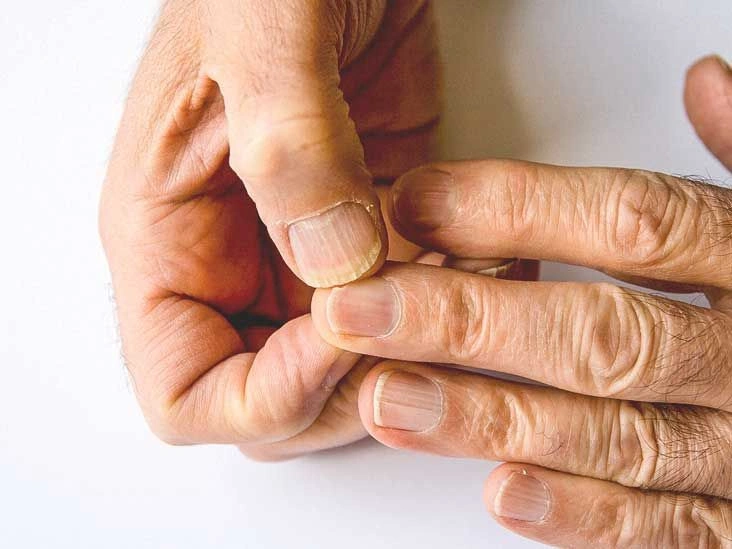
When comparing Anemia nails vs normal nails, one of the most noticeable differences is the presence of spoon-shaped nails, medically known as koilonychia. Spoon nails are unusually thin, soft, and curve inward like a small spoon—sometimes even able to hold a drop of water in the center. While several factors can contribute to this nail abnormality, the most common cause is iron deficiency anemia.
The clinical term for spoon nails is koilonychia, derived from the Greek words for hollow (koilos) and nail (onikh). This structural nail change often signals an underlying nutritional or systemic concern that deserves medical evaluation.
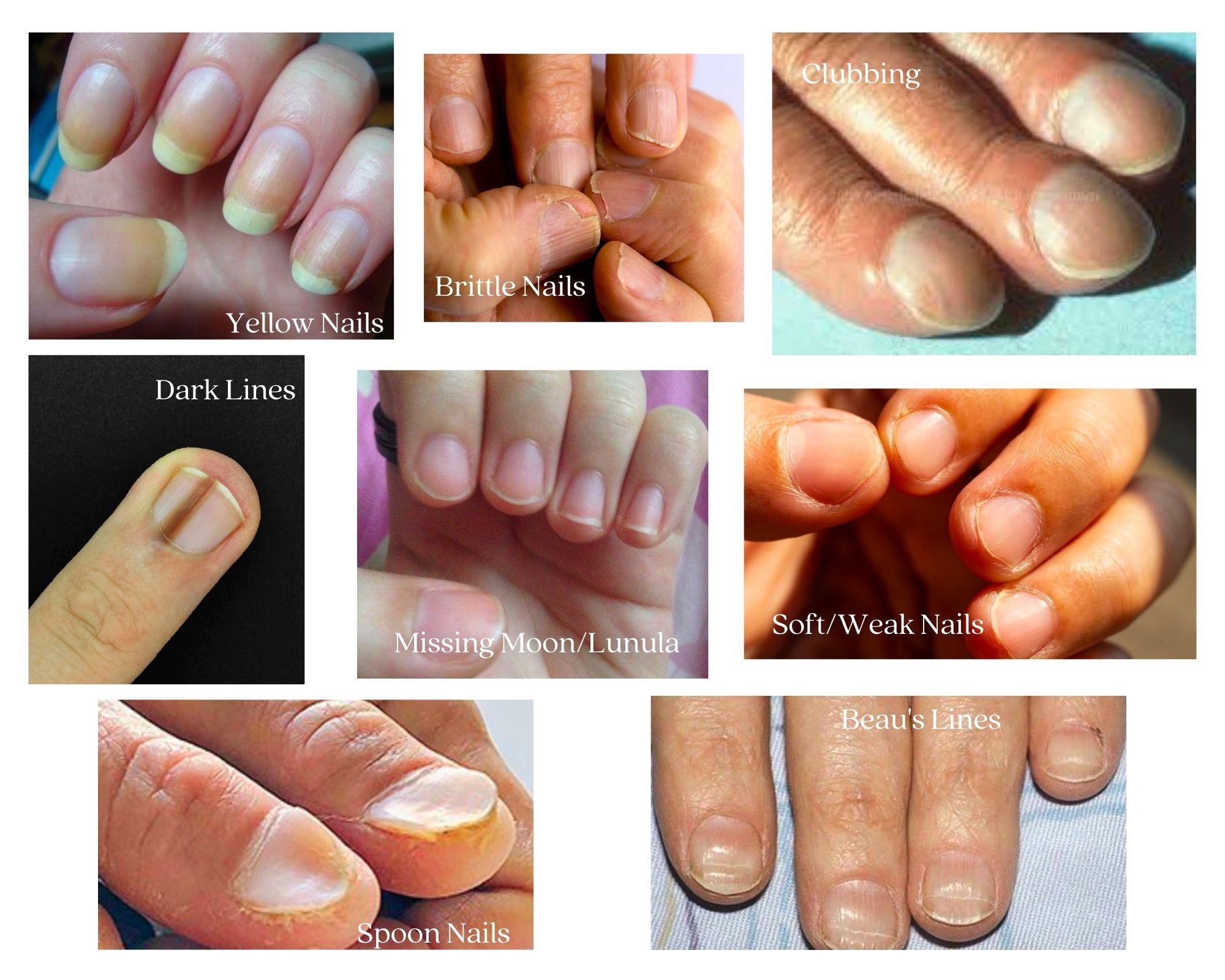
Pictures of spoon nails

How can you identify spoon nails?
Spoon nails are characterized by a concave appearance in the center of the nail plate. Instead of the smooth, slightly curved surface seen in normal nails, the middle portion dips inward while the outer edges flare upward. The nail itself may become fragile, thin, and prone to cracking. In some cases, the distal portion can detach partially from the nail bed.
Although some infants are born with spoon-shaped nails that resolve as they grow, in adults this change often points to an underlying issue. Spoon nails most commonly affect fingernails, but toenails may also develop this appearance.
The leading cause of spoon nails is iron deficiency anemia, a condition in which red blood cell levels fall below normal. If iron deficiency anemia is responsible for the changes you see in an Anemia nails vs normal nails comparison, you might also notice:
- fatigue
- pale skin
- shortness of breath
- weakness
Spoon nails may involve a single nail, several nails, or all nails depending on the severity and underlying cause.
What causes spoon nails?
Iron deficiency anemia remains the most frequent explanation for spoon nails. However, other contributing factors may include:
- trauma to the nail
- chemotherapy or radiation therapy for cancer
- frequent exposure to petroleum solvents or detergents
- inability to absorb nutrients
Several medical conditions have also been linked to spoon nails:
- celiac disease
- diabetes
- heart disease
- hemochromatosis, or too much iron
- lupus
- malnutrition
- protein deficiency
- psoriasis
- Raynaud’s syndrome
- thyroid disorders
- vitamin B deficiency
In some cases, spoon nails may run in families (genetic causes) or be influenced by environmental exposure. One study of individuals living at high altitude found that more than 47 percent had spoon nails. The same research noted a higher prevalence among those performing manual labor.
Another study reported spoon nails in 32 percent of children residing in rural areas, compared with 17 percent of children in urban settings. Researchers suggested that rural children may have experienced more repeated foot trauma due to walking barefoot and frequent water exposure.
Certain occupations may also increase risk. For example, hairdressers have been shown to develop spoon nails related to repeated contact with petroleum-based hair products.
It is also important to distinguish iron-related changes from other nutritional deficiencies. For example, B12 iron deficiency nails can present with additional nail abnormalities, highlighting the importance of accurate diagnosis.
How are spoon nails diagnosed?
Although spoon nails can often be recognized visually, a medical evaluation is essential to determine the root cause. If you notice changes when assessing Anemia nails vs normal nails, consult a healthcare professional for proper assessment.
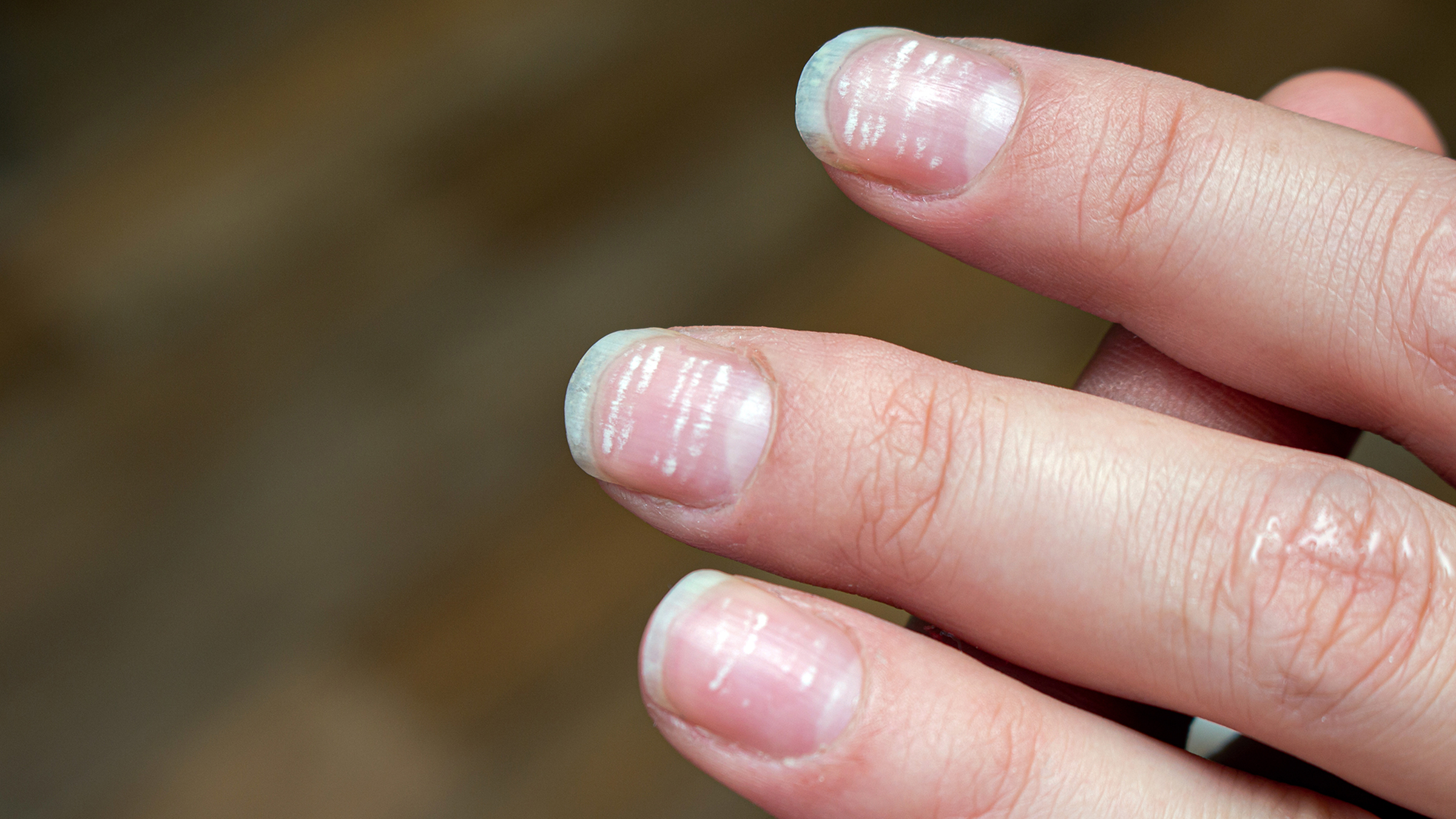
Your doctor will perform a physical examination, review your medical history, and may order blood tests to check for iron deficiency anemia or hemochromatosis (too much iron). Laboratory testing helps confirm whether a systemic condition is present.
If no underlying systemic disease is identified, spoon nails may result from localized nail injury, environmental exposure, or hereditary factors. In such situations, they generally do not adversely affect overall health.
How are spoon nails treated?
Treatment depends entirely on the underlying cause. When spoon nails are linked to iron deficiency anemia, your doctor will typically recommend iron supplements along with dietary adjustments to improve iron intake.
It is important to take iron supplements exactly as directed to maximize absorption and minimize side effects. In cases where vitamin B-12 absorption is impaired, periodic vitamin B-12 injections may be prescribed.
Adopting an iron-rich eating plan can help both treat and prevent anemia. Good dietary sources include:
- red meat
- pork
- poultry
- seafood
- beans
- dark green leafy vegetables
- peas
- dried fruit, such as raisins and apricots
The body absorbs iron from animal-based foods more efficiently than from plant sources. Individuals who avoid meat may need to consume higher amounts of plant-based iron along with vitamin C–rich foods to enhance absorption.
If you are unsure whether your nail changes are consistent with iron deficiency, reviewing Iron deficiency nails pictures may help you better understand what to look for before consulting a healthcare provider.
In addition to addressing the underlying cause, supportive nail care is beneficial:
- Keep your nails clean and trimmed.
- Apply a skin softener or nourishing oil to maintain hydration.
- Avoid biting your nails.
What’s the outlook for spoon nails?
The recovery timeline depends on the reason behind the nail changes. If iron deficiency anemia is treated effectively, you may start feeling improvement within about a week after increasing iron intake. However, restoring iron levels fully can take several months.
When spoon nails are associated with other medical conditions, improvement typically occurs as the primary disease is managed.
Nails grow gradually. A fingernail may require up to half a year to grow out completely, while a toenail can take as long as a year and a half. As healthy nail replaces the damaged portion, the spooning should progressively resolve.
What can you do to prevent spoon nails?
Maintaining proper nail hygiene is essential not only to reduce the risk of spoon nails but also to prevent infection in weakened nail tissue. Keep nails short and clean to minimize trauma and bacterial buildup.
Applying moisturizing oil or a skin softener after bathing helps maintain nail flexibility and resilience.
Additional preventive steps include:
- Avoid biting or picking at your nails.
- Wear properly fitting shoes and keep feet clean and dry if toenails are involved.
- Refrain from using nail polish until the nail structure normalizes.
- Use gloves when handling chemicals or washing dishes.
- Follow a balanced, nutrient-dense diet.
Recognizing early differences in Anemia nails vs normal nails can serve as a valuable clue to your overall health. Prompt evaluation and appropriate treatment not only restore nail appearance but also address potentially serious underlying conditions.
















Leave a Reply
You must be logged in to post a comment.