

Key takeaways
- Medicare provides coverage for FDA-approved stem cell therapies used to treat specific bleeding disorders and certain cancers. Even so, your out-of-pocket expenses may remain substantial, including under Medicare Advantage (Part C) or supplemental plans.
- Coverage is limited to two main types of stem cell transplants: allogeneic transplantation (using donor stem cells) and autologous transplantation (using your own stem cells) for conditions such as myelofibrosis, leukemia, and non-Hodgkin lymphoma.
- The cost of stem cell therapy can range from $300 to $12,000. Medicare will only pay for treatments that are FDA-approved and considered medically necessary by your physician.
Stem cells are often referred to as the body’s “master cells” because they can develop into many different types of specialized cells. They also play a key role in repairing or regenerating damaged tissues.
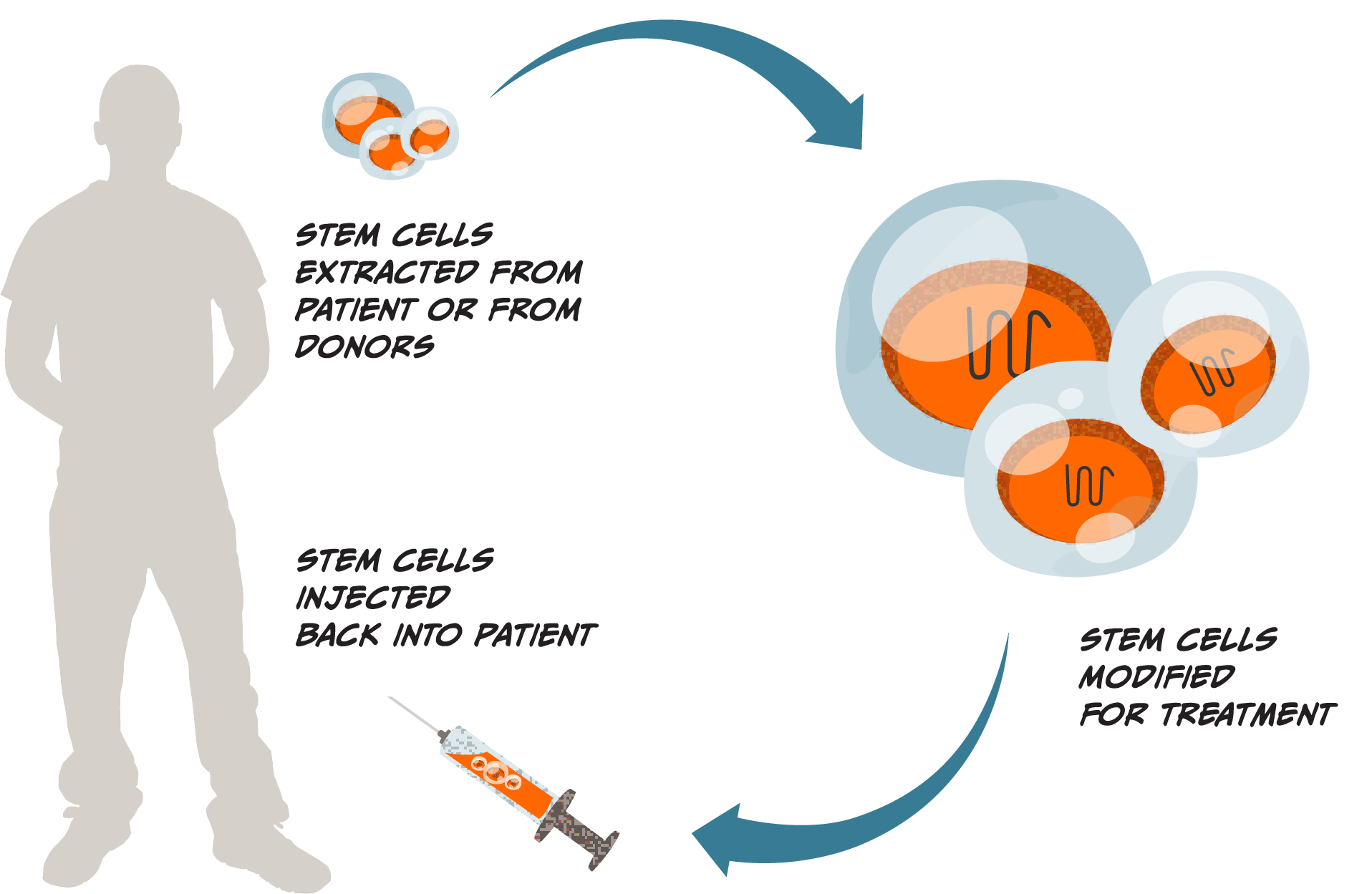
Medicare coverage for stem cell therapy is restricted to certain medical indications, primarily specific cancers and blood-related disorders like sickle cell disease.
While ongoing research continues to explore new applications for regenerative medicine, Medicare reimburses only a limited number of FDA-approved stem cell treatments that meet strict eligibility criteria.

As advanced biologic treatments evolve, many people also wonder How much does gene therapy cost and, more specifically, How much does gene therapy cost in usa. Although gene therapy and stem cell therapy are distinct approaches, both fall under innovative cellular and gene-based treatments that can involve significant financial considerations and specific insurance requirements.
Is stem cell therapy paid for by Medicare?
Medicare covers stem cell therapy for FDA-approved treatments, most commonly hematopoietic stem cell transplants. These procedures stimulate the production of healthy blood cells.
They may be used in the treatment of certain cancers, including:
- lymphomas
- acute myeloid leukemia
- Waldenstrom macroglobulinemia
- testicular germ cell cancer
Hematopoietic stem cell transplants can also be part of the treatment strategy for sickle cell disease.
As interest grows in innovative therapies, questions about How much does gene therapy cost in usa frequently arise alongside coverage concerns. While Medicare has defined policies for stem cell transplants, gene therapy coverage depends on FDA approval status and specific plan benefits.
Which stem cell therapies are covered?
Medicare provides coverage for two types of stem cell transplants: allogeneic stem cell transplantation and autologous stem cell transplantation.
Allogenicstem cell transplantation
This method involves collecting stem cells from a healthy donor and preparing them for intravenous infusion.
An allogeneic transplant is typically recommended if you have an underlying disorder that impairs your ability to produce healthy blood cells.
Conditions that may be treated with this approach include:
- myelofibrosis
- leukemia
- Wiskott-Aldrich syndrome
- sickle cell disease
Autologous stem cell transplantation
This technique uses your own stem cells, which were previously collected and stored. It is often advised for individuals with cancer who need chemotherapy or radiation that could damage blood-forming cells.
Examples of conditions treated with autologous transplantation include:
- non-Hodgkin’s lymphoma
- recurrent neuroblastoma
- amyloidosis
Both procedures are complex and require specialized medical centers, careful donor matching (for allogeneic transplants), and close monitoring for complications such as infection or graft-versus-host disease.
What coverage does Medicare provide for stem cell therapy?
Medicare coverage is structured into Original Medicare (Part A and Part B), Medicare Advantage (Part C), and Part D, which addresses prescription drug benefits.
Medicare Part A
Medicare Part A covers inpatient hospital services and limited skilled nursing care. If you are formally admitted to a hospital and require stem cell therapy during your stay, Part A may help cover the treatment.
After you meet the Medicare Part A deductible, Medicare pays the remaining eligible inpatient costs for up to 60 days of hospitalization. The Part A deductible for 2025 is $1,676.
Medicare Part B
Medicare Part B applies to outpatient services, which can include certain stem cell procedures performed outside of a hospital admission.
Your physician must determine that the treatment is medically necessary. After meeting your Medicare Part B deductible, you are responsible for 20% of the Medicare-approved amount for the therapy. The Part B deductible for 2025 is $257.
Medicare Advantage
Medicare Advantage (Part C) plans are required to cover everything included in Original Medicare and may also provide additional benefits, such as prescription drug coverage.
These plans must cover the same stem cell treatments that Original Medicare covers, though cost-sharing details may vary by insurer.
Medigap
Medicare Supplement Insurance (Medigap) plans are designed to help reduce out-of-pocket expenses associated with Medicare. These standardized plans allow you to select the level of supplemental coverage that best suits your needs.
Depending on your specific policy, Medigap may help pay for Part A or Part B coinsurance, and in some cases, part of the Part A deductible.
Coverage for stem cell therapy-related expenses under Medigap depends on your plan’s terms and how charges are billed. Contacting your plan provider directly can clarify what portion of the treatment may be reimbursed.
What is the average cost of stem cell therapy?
Stem cell therapies remain costly, particularly when performed in specialized inpatient settings. The total expense may vary based on the recommended treatment protocol and your overall health status.
According to a 2019 study, the cost of stem cell therapy can range from $300 to $12,000.
These figures are derived from claims submitted to private insurance providers rather than Medicare. Actual expenses can differ depending on:
- the type of treatment performed
- your overall health condition
- annual negotiated rates between Medicare and healthcare providers
Keep in mind that Medicare will not pay for treatments that fail to meet its coverage standards. To qualify, the therapy must be FDA-approved and deemed medically necessary by your physician.
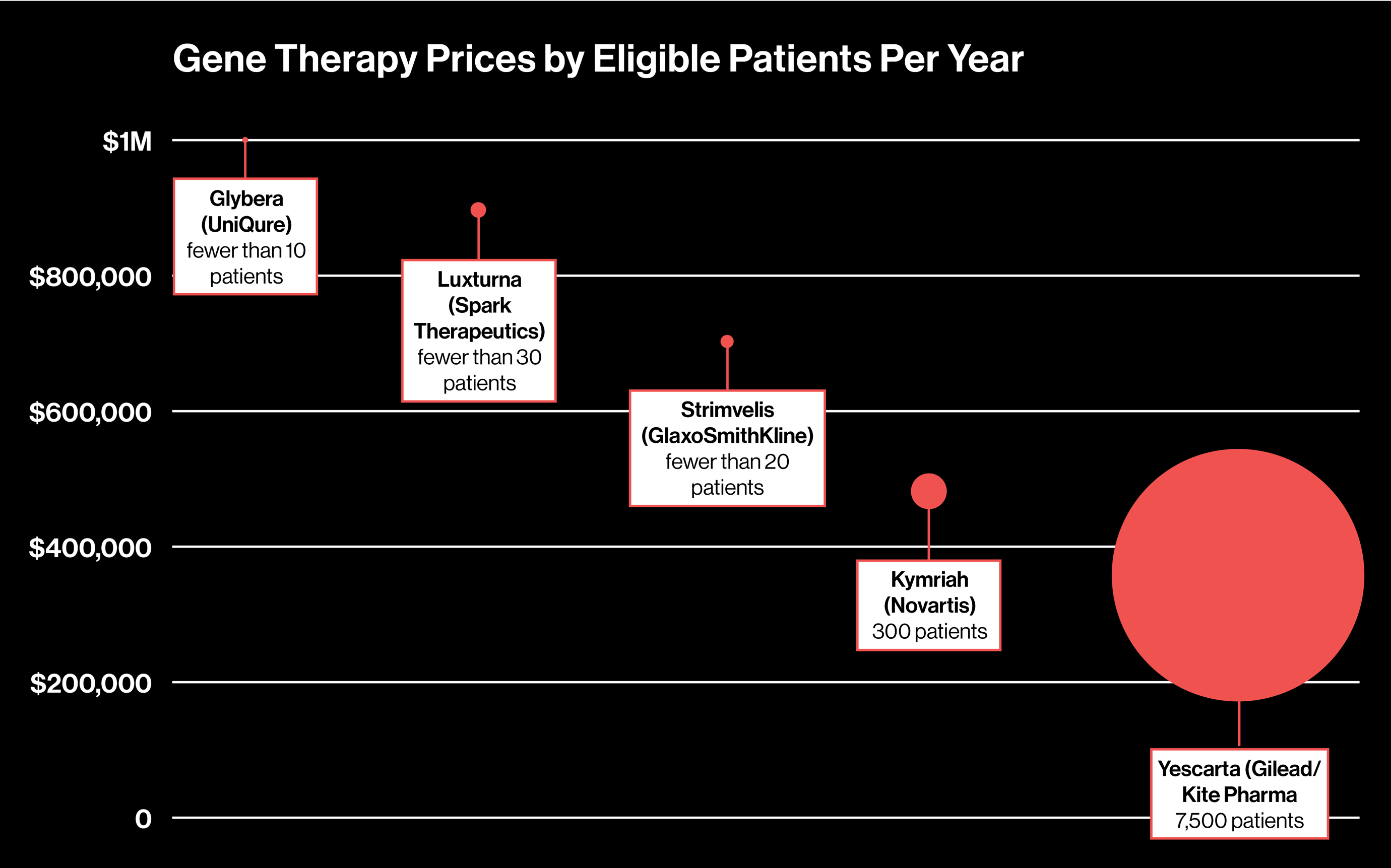
Similarly, when evaluating innovative biologic treatments, many patients ask How much does gene therapy cost in usa or How much does gene therapy cost with insurance. Gene therapy often carries significantly higher price tags than stem cell therapy, sometimes reaching hundreds of thousands or even millions of dollars, depending on the condition and product. Insurance coverage varies widely based on FDA approval, indication, and plan details.
Steps to research your costs
Because stem cell injections and transplants can be expensive, it’s wise to take proactive steps before starting treatment. Speak with your healthcare provider about the expected course of care, request a detailed cost estimate from the hospital or treatment center, and verify coverage with Medicare or your Medicare Advantage plan.
Understanding deductibles, coinsurance, and potential noncovered services can help you better prepare financially and avoid unexpected medical bills.
Frequently asked questions
How do you qualify for stem cell therapy?
To determine whether stem cell therapy is appropriate, your doctor will evaluate multiple factors. These may include your overall health, results of diagnostic testing, the presence of illnesses such as cancer, the specific type of cancer, prior treatments you have received, and the likelihood of treatment success. Your eligibility may also depend on whether you can use your own stem cells or require a compatible donor.
Does Medicare pay for stem cell therapy for the knees or other joints?
Researchers have explored injecting stem cells into cartilage and other damaged tissues to help reduce symptoms of knee osteoarthritis. A 2020 journal article reported promising findings in clinical trials, but evidence remains limited.
Because Medicare requires robust clinical research and FDA approval before covering a treatment, it does not currently pay for stem cell injections for knee osteoarthritis or similar joint conditions. This also applies to other experimental uses, such as treatments targeting hip or shoulder degeneration, or procedures for issues like back pain.
Does Medicare cover stem cell transplants for multiple myeloma?
Medicare provides coverage for stem cell transplants in stage 2 or stage 3 multiple myeloma only if:
- the disease is newly diagnosed
- the disease has shown at least a partial response to other treatments
- your heart, kidneys, lungs, and liver are functioning normally
Stem cell therapy for myelodysplastic syndromes (MDS)
Medicare has reevaluated its coverage for allogenic therapy in individuals with high risk MDS. Those who meet the high-risk criteria may now receive coverage without enrolling in a clinical trial.
This includes bone marrow transplants, peripheral blood stem cell transplants, and umbilical cord blood procedures. If you do not meet the established criteria, Medicare may still consider coverage on a case-by-case basis.
Summary
Medicare currently covers stem cell therapy primarily for hematopoietic transplants used to treat blood-related cancers and certain blood disorders, including sickle cell disease.
As with many advanced cancer treatments, stem cell procedures can be expensive. Requesting a detailed explanation of benefits and a cost estimate—including what your Medicare plan will and will not cover—can help you make an informed decision.
Balancing the potential benefits, risks, and financial impact is essential when deciding whether stem cell therapy is the right option for your medical situation.























Leave a Reply
You must be logged in to post a comment.