

Germ cell cancer can affect both children and adults. Although researchers have not determined the exact cause of these cancers, several risk factors have been identified that may increase the likelihood of developing them.
Germ cell tumors are unusual growths that arise in the cells responsible for forming eggs or sperm. About 20% of these tumors are cancerous, while the remainder are noncancerous.
Most germ cell cancers originate in the testicles or ovaries, but they can also appear in other areas of the body.
According to the National Cancer Institute, more than 90% of testicular cancers begin in germ cells. Ovarian germ cell tumors account for approximately 2% to 3% of all ovarian cancers.
These cancers can develop at any age. They represent about 3% of childhood cancers and nearly 15% of cancers diagnosed during adolescence.
Understanding personal risk factors, including genetic background and Family history of cancer ICD-10 coding in medical records, can play an important role in early detection and preventive care. Accurate documentation such as Family history of cancer ICD-10 helps healthcare providers assess inherited cancer risk and recommend appropriate screening strategies.
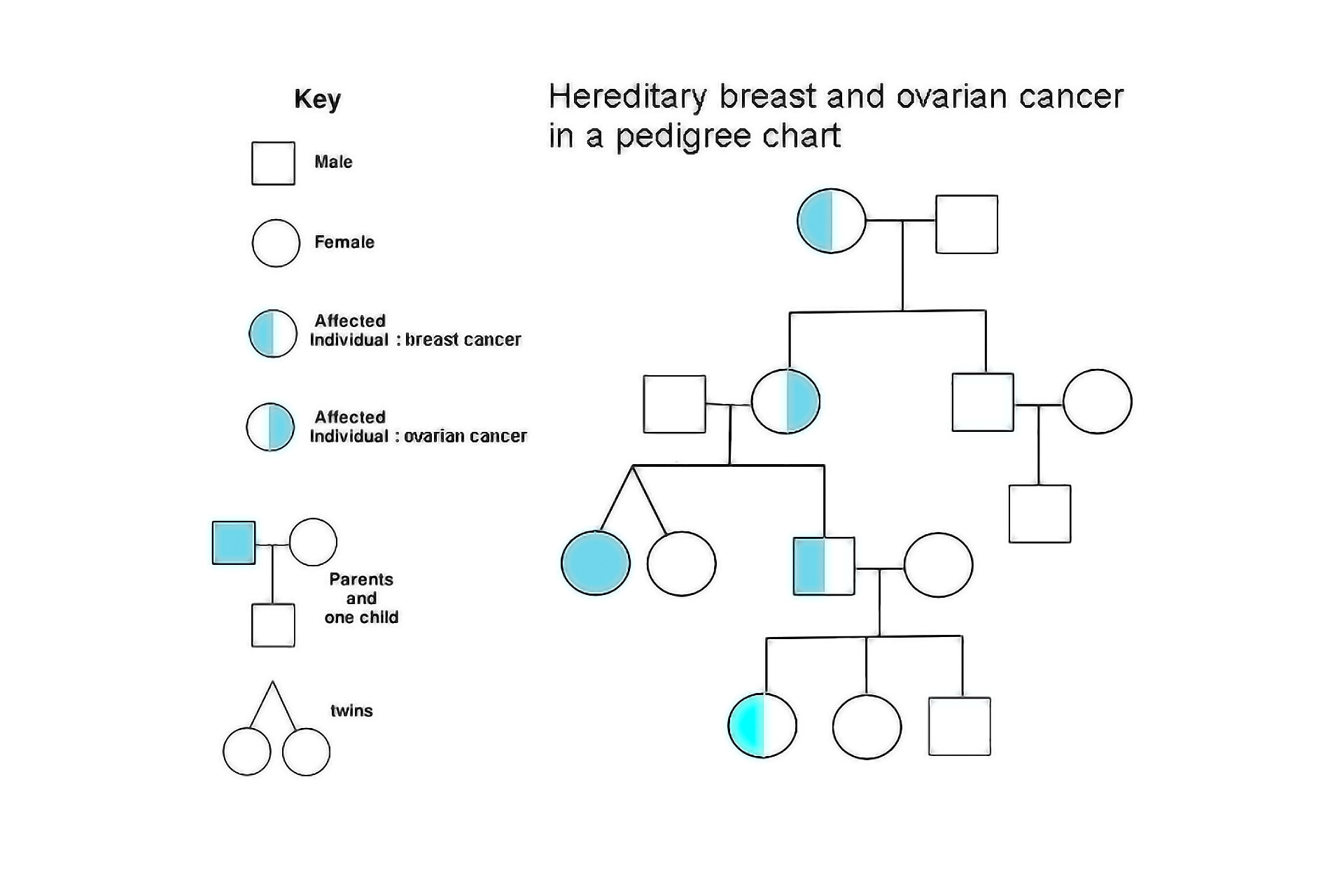
In this guide, we explore germ cell cancers in depth, including who may be at higher risk, how these tumors form, how they are diagnosed, and what treatment options are available.

What is germ cell cancer?
Germ cell cancer develops from cells that eventually mature into eggs or sperm. While these cancers most often form in the ovaries or testes, they may arise in other parts of the body as well. According to the National Cancer Institute, germ cell tumors can occur in nearly any location.
Research from Northern Europe suggests that testicular germ cell tumors affect 80 to 100 men per million. It is the most common cancer among males between puberty and age 40.
Ovarian germ cell cancer represents about 15% to 20% of ovarian cancers overall and approximately 75% of cancerous ovarian tumors in children. A 2019 study estimated the number of cases in North America from 2008 to 2012 as follows:
| Age | Ovarian germ cell cancers per million people |
|---|---|
| 0 to 9 | 1.4 |
| 10 to 19 | 7.8 |
| 20 to 39 | 7.2 |
Extragonadal germ cell cancer
When germ cell cancer forms outside the ovaries or testicles, it is called extragonadal germ cell cancer. In adults, these tumors account for about 4% of germ cell cancers. In children, however, they represent nearly half of cases.
The exact reason extragonadal tumors develop is not fully understood. Scientists believe it may relate to how germ cells migrate during fetal development. As a fetus grows, germ cells typically travel to the developing testes or ovaries. Occasionally, some of these cells settle in other parts of the body. The most common locations include:
- the base of the spine
- the brain
- the chest
- the abdomen
What are the different types of germ cell cancers?
Several types of germ cell cancers are recognized, each with distinct characteristics:
- Teratomas: Teratomas may be benign or cancerous. They most frequently occur in the tailbone or reproductive organs.
- Germinomas: When found in the ovaries, they are called dysgerminomas; in the testicles, they are known as seminomas. Germ cell cancers in the testicles are generally categorized as seminomas or nonseminomas.
- Yolk sac tumor: These tumors commonly develop in the reproductive organs or tailbone and are the most common testicular cancer in children.
- Choriocarcinoma: A rare and fast-growing cancer that usually forms in the placenta and may affect both the fetus and mother.
- Embryonal carcinoma: This cancer typically develops in the testicles of adolescent males. Around 40% of testicular tumors show features of this cancer, though only 3% to 4% are pure embryonal carcinoma.
What are the signs and symptoms of germ cell cancer?
Symptoms vary depending on where the cancer develops. In adults, most germ cell cancers arise in the testicles or ovaries.
Testicular germ cell cancer symptoms may include:
- a lump in the testicle
- a dull ache between the abdomen and groin
- back pain
- pain in or around a testicle
- swelling of the scrotum
According to the National Cancer Institute, ovarian germ cell tumors often produce no symptoms in the early stages. When symptoms do occur, they may involve:
- abdominal swelling
- vaginal bleeding unrelated to menstruation
- abdominal pain or pressure
- absence of menstruation
General symptoms of extragonadal germ cell tumors may include:
- chest pain
- shortness of breath
- persistent cough
- headache
- fever
- changes in bowel habits
- fatigue
- difficulty walking
- vision changes
- a lump in the neck, abdomen, or lower back
What causes germ cell cancer and who’s at risk?
The precise cause of germ cell cancer remains unknown. However, certain medical conditions and inherited factors appear to raise the risk. Proper documentation, such as Family history of cancer ICD-10, allows clinicians to identify individuals who may benefit from earlier surveillance or genetic counseling.

- Klinefelter syndrome: A condition in which a person assigned male at birth has an extra X chromosome.
- Androgen insensitivity syndrome: A disorder in which a person assigned male at birth does not respond normally to male hormones.
- Turner syndrome: A condition where a girl is born with a missing X chromosome.
- Cryptorchidism: A condition in which a male child is born with an undescended testicle.
Overall, people assigned male at birth have a higher risk of developing germ cell tumors. In children, however, those assigned female at birth develop these tumors about 25% more often.
Testicular germ cell tumors most commonly appear before the age of 4 or during adolescence and young adulthood. Additional risk factors include:
- small testicular volume
- family history
- infertility
Ovarian germ cell tumors most commonly affect adolescent girls and young women. Individuals with a documented Family history of cancer ICD-10 entry, including conditions such as Family history of colon cancer ICD-10 or Family history of colon polyps ICD-10, may require personalized screening recommendations based on their broader inherited cancer risk profile.
How are germ cell cancers diagnosed?
Diagnosis typically begins with a physical examination and a thorough review of your medical and family history.
Imaging studies are often used to identify and assess tumors. Your doctor may order:
- computed tomography (CT) scans
- magnetic resonance imaging (MRI)
- chest X-ray
- ultrasound
Blood tests frequently detect tumor markers such as alpha-fetoprotein and human chorionic gonadotrophin, which can indicate the presence of germ cell cancer.
A definitive diagnosis is usually confirmed through a biopsy, in which a small tissue sample is examined in a laboratory. In some situations, doctors may diagnose the cancer without a biopsy based on imaging results and tumor marker findings alone.
How are germ cell cancers treated?
Treatment decisions depend on several factors, including:
- the stage of the cancer
- the tumor’s location
- your overall health
- your age
Extragonadal germ cell treatment
According to the National Cancer Institute, three primary treatments are used for extragonadal tumors:
- surgery
- radiation therapy
- chemotherapy
High-dose chemotherapy combined with stem cell transplant is currently being studied in clinical trials.
Testicular cancer treatment
Five types of standard treatments are available for testicular cancer:
- surgery
- radiation therapy
- chemotherapy
- observation
- high-dose chemotherapy with stem cell transplant
Ovarian germ cell cancer treatment
Treatment options for ovarian germ cell cancer include:
- surgery
- chemotherapy
- radiation therapy
- high-dose chemotherapy with bone marrow transplant
Treatment for germ cell cancers not located in the head
In children, standard treatment for germ cell cancers outside the head typically involves:
- surgery
- observation
- chemotherapy
Clinical trials are evaluating:
- targeted therapy
- radiation therapy
- high dose chemotherapy with stem cell transplant
What’s the outlook for someone with germ cell cancer?
Prognosis depends on the specific type and location of the cancer. Many germ cell cancers have high survival rates, particularly when detected early.
Outcomes are generally more favorable when germ cell cancer is located in the testicles or ovaries compared to other areas. In many cases, reproductive function can be preserved if only one ovary or testicle is removed.
The 5-year survival rate for ovarian germ cell cancer is about 95% for stage 1 and 83% for stages 2 to 5.
The 10-year cancer-specific survival rate for stage 1 testicular germ cell cancer is approximately 99.7%, meaning only 3 out of 1,000 individuals die from cancer-related causes within 10 years.
For testicular germ cell cancer that has spread, the 5-year survival rate ranges from 48% to 64% in the highest-risk group.
Among children under 15, the 5-year survival rate for ovarian and testicular germ cell tumors is about 90%. For teens ages 15 to 19, it is around 93%.
A small proportion of children may experience long-term side effects from treatment that develop years later, including kidney problems, lung problems, or hearing loss.
Takeaway
Germ cell cancer originates in the cells that develop into sperm or eggs. These cells can migrate to different parts of the body during fetal development, allowing tumors to arise in various locations.
Your outlook depends on the cancer type, stage, and location. Fortunately, many germ cell cancers respond well to treatment options such as chemotherapy, surgery, and radiation therapy, especially when identified early and managed with appropriate medical care.






















Leave a Reply
You must be logged in to post a comment.