

While using testosterone-based HRT, your healthcare provider will routinely review your lab results to watch for signs of polycythemia. If it develops, there are several management strategies available to reduce risks and keep your treatment on track.
Testosterone plays a vital role in numerous bodily processes. For example, rising testosterone levels can stimulate an increase in red blood cell production. For individuals researching How to lower hematocrit on TRT, understanding this connection is essential because hematocrit reflects the percentage of red blood cells circulating in your blood.
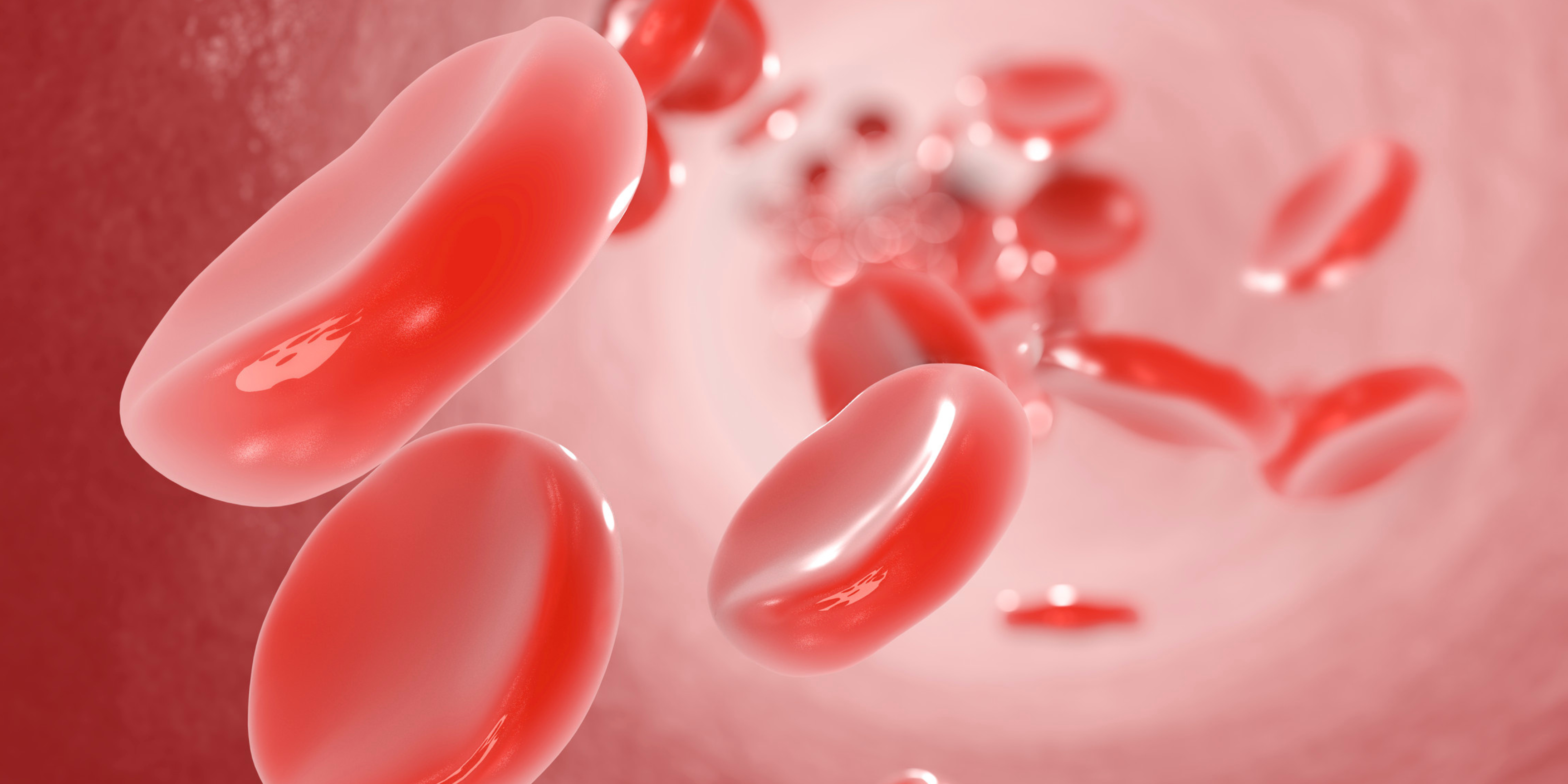
When red blood cell counts become excessively high, circulation can be impaired and the likelihood of high blood pressure, blood clots, stroke, and heart attack rises. This condition is known as polycythemia, and it is a recognized risk associated with all forms of testosterone use.
Can testosterone injections cause polycythemia?
Elevated testosterone levels can signal your body to produce more red blood cells. Increasing testosterone through supplementation may therefore contribute to polycythemia. When polycythemia occurs, your heart must work harder to pump thicker blood throughout the body, potentially resulting in complications such as high blood pressure or stroke.
This concern may be more pronounced with unregulated testosterone injections, such as those sometimes used in bodybuilding without medical supervision.
Injected testosterone has been linked to a higher chance of polycythemia compared with other delivery methods. Non-prescribed injectable testosterone can cause sudden spikes in testosterone levels and, consequently, sharp increases in red blood cell production. These fluctuations raise the risk of developing polycythemia and elevated hematocrit levels.
Is testosterone-induced polycythemia reversible?
In many cases, testosterone-induced polycythemia can be improved. Appropriate treatment can decrease red blood cell production and help bring hematocrit back into a safer range. Adjustments to your testosterone regimen are often part of the solution.
Many individuals who experience polycythemia while taking prescribed testosterone are able to continue therapy with careful monitoring and medical guidance. If you’re specifically searching for strategies on How to lower hematocrit on TRT, your provider may recommend stepwise changes tailored to your lab values and overall cardiovascular risk profile. Some people also explore short-term strategies, such as those discussed in How to lower hematocrit overnight, but these approaches should always be supervised by a healthcare professional to ensure safety.
Is polycythemia a risk of testosterone replacement therapy (TRT)?
Polycythemia is one of the main risks linked to prescribed testosterone. This risk exists when testosterone is used as testosterone replacement therapy (TRT) in cisgender men with hypogonadism or symptoms of low testosterone, including decreased sex drive, fatigue, and loss of muscle mass.
Polycythemia is also a concern for transgender men using testosterone as hormone replacement therapy (HRT). A 2021 study indicates that approximately 11.5% of transgender men receiving HRT develop polycythemia.
Among cisgender individuals on TRT, estimates range from 5% and 66%. In both populations, red blood cell levels tend to rise most significantly during the first year of therapy.
When testosterone is prescribed, your clinician will monitor your blood cell counts closely. Baseline lab work is typically performed before starting TRT or HRT to determine your initial hematocrit and red blood cell levels. Follow-up testing is commonly repeated at around 3–6 months, with additional checks every 6 months thereafter. This ongoing monitoring is critical for preventing complications and answering the important question of How to lower hematocrit on TRT before problems escalate.
Symptoms of testosterone-induced polycythemia
Polycythemia does not always produce noticeable symptoms and is sometimes first identified through routine blood tests. When symptoms are present, they may include:
- dizziness
- headaches
- neck pain
- chest pain
- shortness of breath
- fatigue
- weakness
- swollen hands and feet
- blood in your urine
- excessive bleeding from small cuts
If left untreated, polycythemia can result in serious or even life-threatening complications. It is associated with a higher risk of high blood pressure and cardiovascular disease, including heart attack, blood clots, and stroke. Persistently elevated hematocrit can also impair microcirculation, increasing strain on the heart and blood vessels over time.
Treatment options for testosterone-induced polycythemia
Several treatment approaches are available for polycythemia. The most appropriate option depends on factors such as the reason for testosterone therapy, the severity of your elevated hematocrit, your age, and your overall health status.

Common strategies include:
- Changes to your testosterone prescription: Your healthcare provider may adjust the dose or modify the delivery method of your testosterone. Although every form of testosterone supplementation carries some risk of polycythemia, the risk is lower with certain options, such as patches or pellets, compared with injections. Dose reduction can gradually lower hematocrit while maintaining symptom control.
- Therapeutic phlebotomy: Therapeutic phlebotomy involves removing blood through an intravenous (IV) line, similar to a standard blood donation. This procedure directly decreases red blood cell mass and can rapidly reduce hematocrit levels. Depending on your lab results, it may be required several times per year.
- Lifestyle changes: Smoking and obesity both increase the likelihood of polycythemia and cardiovascular complications. Your doctor may recommend smoking cessation, weight management, regular physical activity, and adequate hydration. These measures support healthier blood viscosity and overall heart health.
In select cases, additional evaluation may be needed to rule out other contributing conditions. Close follow-up ensures that hematocrit remains within a safe range while you continue TRT or HRT.
Takeaway
Polycythemia occurs when the body produces too many red blood cells, leading to elevated hematocrit. It is a well-documented risk of testosterone therapy, regardless of the reason for use.
Because polycythemia increases the risk of blood clots, stroke, and heart attack, early detection and management are essential. With routine monitoring, prescription adjustments, therapeutic phlebotomy, and supportive lifestyle changes, most people can effectively manage this condition. If you’re concerned about How to lower hematocrit on TRT, working closely with your healthcare provider is the safest and most effective way to reduce risks while continuing testosterone treatment.




















Leave a Reply
You must be logged in to post a comment.