

Gynecomastia (often referred to informally as “man boobs”) occurs when a person develops breast tissue without the usual hormonal balance that supports functional mammary glands and the fat that accompanies increased glandular tissue.
Normally, testosterone suppresses breast tissue growth, while estrogen encourages it. A disruption in the balance of these hormones can result in gynecomastia. Carrying excess weight can also cause increased fat accumulation on the chest as well as throughout the body.
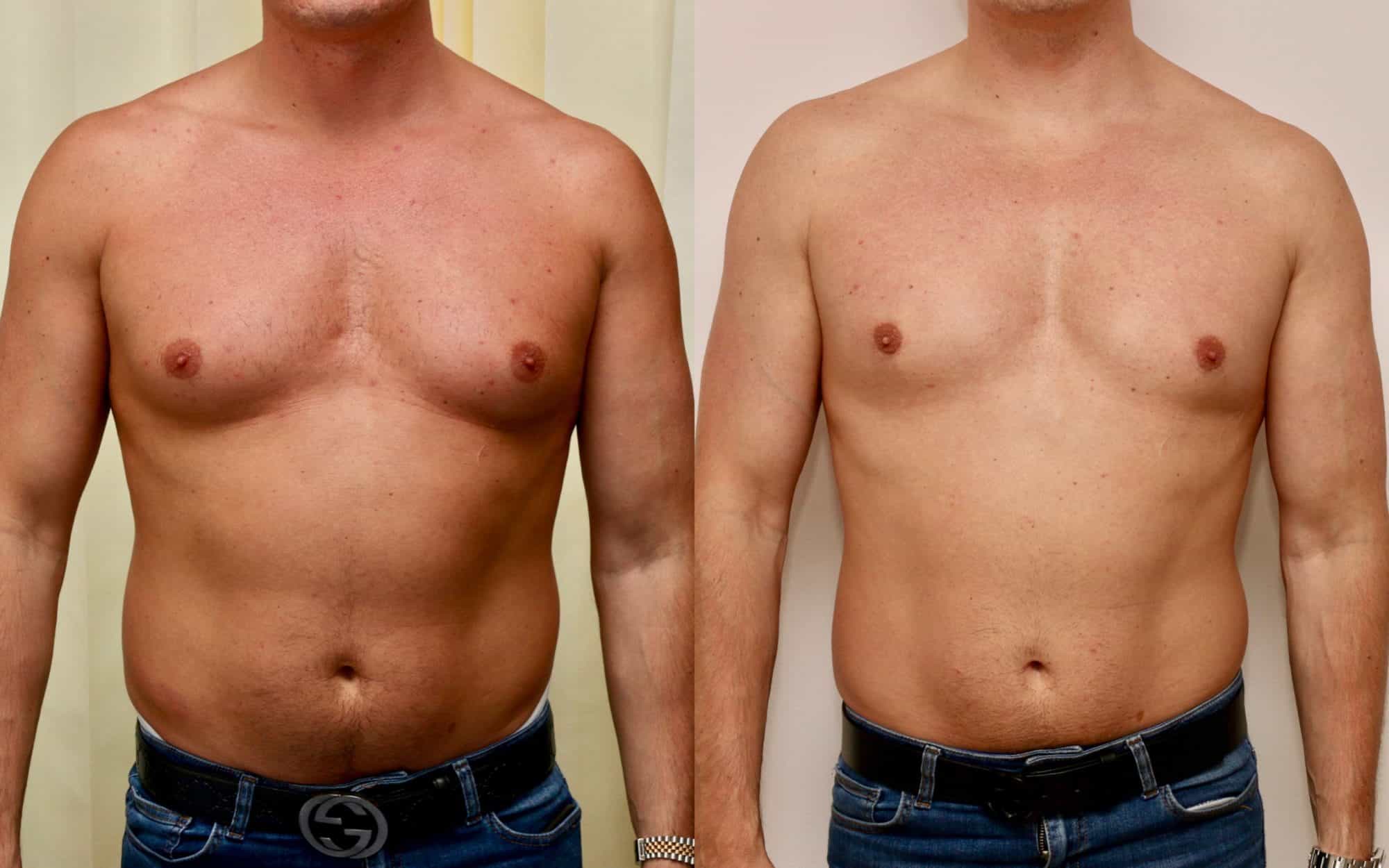
Research indicates that roughly 32 to 65 percent of males experience gynecomastia. Nonoperative care typically aims at addressing the underlying causes, such as lifestyle adjustments, medications, or hormone-based therapies.
Read on for a closer examination of what can cause gynecomastia and the ways it can be managed.
What causes gynecomastia?
Various factors can lead to gynecomastia, including lifestyle choices like excessive alcohol use or lack of exercise, chronic illnesses, aging, and adverse effects from certain medications.
The sex hormone testosterone has an inhibitory effect on breast tissue formation, whereas estrogen and progesterone tend to stimulate growth in the context of growth hormone and insulin-like growth factor 1.
The items below can create hormone imbalances in people with penises who might otherwise not develop gynecomastia.
Aging
Testosterone levels naturally decline with age beginning around age 30. Studies of men older than 65 show that gynecomastia often emerges because of reduced testosterone. Other research reports that 24 to 65 percent of men aged 50 to 80 exhibit gynecomastia.
Older individuals with penises are also more likely to be taking drugs that may provoke gynecomastia as an adverse effect.
Puberty
Approximately 60 percent of adolescent people with penises show signs of gynecomastia by age 14 due to the hormonal changes of puberty.
Gynecomastia tied to pubertal hormonal shifts usually resolves on its own within about three years.
High body fat percentage
A high overall body fat percentage—regardless of absolute weight—can produce greater fat deposits on the chest. Higher body fat is also associated with elevated estrogen levels.
Adipose tissue is the primary site where testosterone is converted into estrogen by the aromatase enzyme. Around 85 percent of estrogen in the body of a person with a penis arises from this enzymatic activity.
Medical conditions
Conditions that alter testosterone or estrogen levels can trigger excess breast tissue development. Examples include:
- injury, tumors, or disease of the testes
- hyperthyroidism
- kidney failure
- liver failure
- malnutrition
- pituitary or hypothalamic tumors
- Klinefelter syndrome

Drugs and medications
About 20 percent of gynecomastia cases are attributable to medications or recreational drugs.
Some substances act like estrogen, raise estrogen production, or supply precursors—such as certain androgens—that can be converted into estrogen. Other drugs may cause gynecomastia via mechanisms that are not fully understood.
The following are associated with gynecomastia:
- alcohol
- illicit drugs such as heroin, methadone, and amphetamines
- anabolic-androgenic steroids
- some antiretroviral therapies for HIV
- certain blood pressure medications
- some psychiatric drugs, including antipsychotics
Are there home remedies for gynecomastia?
The most appropriate approach depends on what’s causing the gynecomastia.
No supplements are proven to cure gynecomastia
No dietary supplements, including Ayurvedic herbs, have solid scientific evidence supporting their use to treat gynecomastia.
The U.S. Food and Drug Administration (FDA) has not approved any drugs specifically for gynecomastia treatment.
How you dress can influence how noticeable gynecomastia appears.
Clothing strategies
Here are practical tips to reduce the visibility of gynecomastia.
Avoid
- compression garments
- very tight tops
- white shirts
Choose
- patterned tops
- layers or thicker fabrics
- subtly matched colors between top and trousers
- pinstriped suits
Improve lifestyle factors when necessary
Certain lifestyle patterns can increase overall body fat. People with overweight often carry more fat across the body, including the chest, compared with those who are lean. Increased adiposity can also lower testosterone by ramping up aromatase activity.
Changes that may help balance hormones include:
- reducing alcohol intake
- avoiding chronic stressors where possible
- aiming for at least 7 hours of nightly sleep
- getting at least 150 minutes of moderate aerobic activity per week
- strength training all major muscle groups twice weekly
- eating a mostly whole-foods-based, minimally processed diet
Diet recommendations for gynecomastia
Following a balanced eating pattern can ensure your body receives the nutrients needed to support testosterone production and to reduce body fat percentage.
Nutrients important for testosterone synthesis include protein, vitamin D, and zinc. Foods that may support testosterone include egg yolks, oysters, and tuna.
Some foods contain phytoestrogens—plant compounds that can mimic estrogen in the body.
While more evidence is needed to clarify their effects, reducing intake of phytoestrogen-rich foods might help improve the testosterone-to-estrogen balance. Common sources include soy, legumes, and licorice root.
Consider the Mediterranean diet
The Mediterranean dietary pattern is one of the most extensively researched for general health benefits. It emphasizes fresh, minimally processed foods and can support weight loss.
Noticeable body changes from a combined diet and exercise program can take around 8 weeks to appear.
Exercise guidance for gynecomastia
It’s a misconception that exercising one specific body part leads to greater fat loss in that area compared with other regions.
For instance, performing push-ups won’t preferentially burn chest fat over doing squats that expend the same number of calories.
Adding more aerobic work to your routine can help lower overall body fat. The exact exercise type is less important than duration and intensity.
Examples of effective activities include:
- brisk walking
- jogging
- swimming
- skating
- dancing
- rowing
- jump rope
Push-ups remain a useful, equipment-free method to grow chest musculature. Increase repetitions, sets, or add resistance to progress.

When should I consult a doctor about gynecomastia?
Gynecomastia commonly produces no symptoms other than breast tenderness, but it can be distressing psychologically. Seek medical care if you have nipple discharge, significant swelling, or pronounced pain.
Consult a clinician if you suspect an underlying disorder such as a testicular tumor or hyperthyroidism.
A physician can help diagnose the root cause and guide appropriate treatment.
Medical treatments for gynecomastia
Treatment typically focuses on resolving the underlying problem.
Non-surgical options a clinician may consider include:
- Off-label medications. Drugs such as raloxifene or tamoxifen—used for breast cancer—may be prescribed off-label for gynecomastia.
- Altering medications. If a prescribed drug is suspected to cause gynecomastia, a provider might change the medication or adjust the dose.
- Testosterone therapy. Testosterone replacement (injections, gels, or patches) can raise testosterone levels.
- Treating underlying conditions. Addressing disorders like hyperthyroidism or malnutrition can improve gynecomastia symptoms.
Bottom line
Gynecomastia frequently stems from a hormonal imbalance between testosterone and estrogen.
Multiple contributors can lead to gynecomastia, including lifestyle choices, medical illnesses, natural aging, and certain medications. Management focuses on treating the underlying cause. Often, improving diet and exercise habits helps.
If you suspect an underlying medical issue, consult a healthcare professional for evaluation and treatment.



















Leave a Reply
You must be logged in to post a comment.